67% of creative teams adjust account alerts during project peaks to protect uninterrupted work time. Act now — control the stream of system alerts that interrupt workflows.
Access account settings to set email, in-app, and mobile delivery rules. Use the web and browser preferences to limit nonessential updates during focused sessions.
Apply a strict order of operations for security and notification management — review account-level defaults, then apply granular rules per app and user. Note the Workfront update on October 17, 2025 — it adds finer control over email and mobile alerts.
Implement the list: identify critical alerts, mute the rest, and verify delivery channels. Manage cloud accounts and user access to ensure every notification serves a productive purpose.
Key Takeaways
- Access account settings to configure where and how users receive notifications.
- Use browser and web app preferences to reduce alert volume during key tasks.
- Apply granular controls for email, in-app, and phone alerts — follow the Oct 17, 2025 update.
- Set a clear order of operations for security and notification management.
- Audit account defaults regularly to maintain a distraction-free environment.
Understanding the Impact of Creative Cloud Distractions
Identify which account-level and app-level signals create the most workflow disruption.
Uncontrolled notifications from the cloud ecosystem fragment design cycles and reduce throughput. Each system alert or email demands immediate action or dismissal. That creates context switching and lost minutes per interruption. To enhance productivity, it is crucial to find ways to stop google meet notifications easily. By customizing notification settings, users can minimize distractions and maintain focus on tasks at hand. Streamlining these alerts leads to a more efficient workflow, allowing for deeper engagement in creative projects.
The July 24, 2025 update to Adobe Campaign v8 highlights the need to manage push content to avoid user fatigue. Review the account overview page and web settings to map which alerts cause the most issues.
- Audit alert sources—account, app, system, phone.
- Classify by urgency and security impact.
- Switch off noncritical messages during intensive work.
| Alert Type | Typical Impact | Recommended Action |
|---|---|---|
| In-app push | Immediate task interruption | Mute during sessions; allow critical only |
| Email digest | Batchable information | Schedule delivery; reduce frequency |
| System/security | High urgency; possible account risk | Allow alerts; set strict access rules |
How to Manage Adobe Notifications Focus Settings
Define which messages reach the workstation by changing system and user-level alert settings. Use account controls to route only critical items to the active workspace.
In-App Alert Suppression
Enable suppression to hide nonessential pop-ups and promotional content inside the app. This keeps the primary canvas free of visual clutter.
Apply these steps:
- Open the settings menu and review the active preferences view.
- Turn off feature promotions and product updates for regular users.
- Allow only task-critical reminders and in-app security prompts.
Managing System-Level Alerts
Administrators must configure system-level delivery at the account and group tiers. Workfront administrators can set rules for email address targets and in-app display.
Note—some automatic reminders and security alerts cannot be disabled. Those remain enabled to protect project integrity.
| Alert Type | Typical Action | Recommended Setting |
|---|---|---|
| In-app | Immediate pop-up | Suppress noncritical; show critical only |
| Batchable summary | Send digests to account emails; reduce frequency | |
| System | Security & audit | Always allow; restrict access by role |
Audit the settings page regularly. Review account defaults, change the default behavior where needed, and verify that users retain appropriate access for alerts and management tasks.
Enabling Focus Mode in Photoshop Beta
Activate the Photoshop Beta Technology Preview to suppress in-product alerts and streamline the creative interface.
Enable Focus Mode in the Technology Previews area of Photoshop preferences. Check the Enable Focus Mode option to limit non-essential messages and feature discovery prompts.
The setting removes the welcome screen and blocks “What’s new” dialogs. That prevents unexpected pop-ups from interrupting automated workflows.
Neutral Color Mode Benefits
Neutral Color Mode removes blue UI highlights. The result—visual distraction decreases and document content becomes the primary visual target.
- Suppresses promotional overlays and experimental tooltips.
- Reduces interface contrast so the app canvas reads with less strain.
- Maintains account security dialogs while muting low-value alerts.
| Feature | Effect | Action |
|---|---|---|
| Focus Mode | Blocks discovery prompts | Enable in Technology Previews |
| Neutral Color Mode | Removes UI highlights | Toggle in preferences |
| Welcome & What’s New | Suppressed on activation | No action screens during sessions |
Customizing In-App Notification Preferences
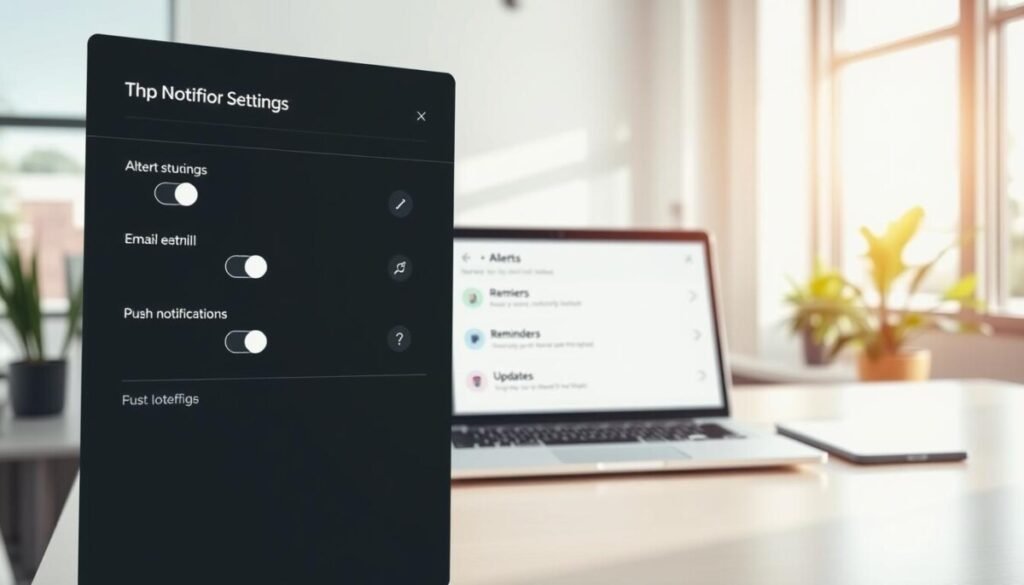
Set granular in-application preferences to route messages by urgency and project context.
Open the settings menu. Review the preferences overview on the page. Use the menu to view every channel that can send alerts to the app.
Adjust account-level settings to limit content shown inside the app. Allow only critical alerts for active projects. Mute routine updates and promotional text.
Access the user profile to modify email and in-app delivery. Grant role-based access so only designated users receive system and security messages.
- Audit channels — confirm email, in-app, and web targets.
- Map urgency — route high-priority alerts to specific users.
- Document changes — record each preference update as an action item.
| Control | Effect | Action |
|---|---|---|
| App view | Reduces interruptions | Suppress noncritical |
| Email delivery | Auditable trail | Batch or digest |
| Account access | Security and clarity | Restrict by role |
For implementation detail, consult the notification preferences guide. Maintain the account overview to keep the cloud workspace clean and actionable.
Configuring Mobile Device Interruption Levels
Define mobile delivery tiers—time-sensitive, critical, passive—to reduce context switching.
Implement an order of action. Classify alerts on the phone by urgency. Use the account and app settings to assign each message a delivery tier.
Time Sensitive Notifications
Assign time-sensitive alerts to reach users immediately. These items should surface for deadlines, approvals, and security updates.
Route them to a high-priority channel. Allow sound and screen wake when necessary.
Critical Alert Modes
Enable critical mode for safety and security messages. Critical alerts bypass mute and silent modes.
Use this only for high-impact account or system issues. Document the user list that may receive critical messages.
Passive Interruption Levels
Set passive level for routine content and email digests. These entries add to the notification list without sound or screen wake.
When using rich push, include a carousel of three to five images to convey more detail in a single alert.
- Categorize alerts—time-sensitive, critical, passive.
- Limit critical delivery to essential accounts and roles.
- Store passive items in a list for later review.
For a full mobile interruption overview consult the mobile interruption overview.
Adjusting Email Notification Delivery Schedules
Schedule a 24-hour digest that groups updates by project to simplify daily review.
Enable daily digest to consolidate account activity into one email that summarizes the previous 24 hours. You can also implement daily notification setup in Asana to keep your team updated on project progress without overwhelming their inboxes. This helps ensure that important tasks and deadlines are highlighted, allowing for better collaboration. Consider customizing the notifications to fit the specific needs of your projects for optimal efficiency. Utilizing AI tools for calendar optimization can further enhance your scheduling efficiency by automatically suggesting the best times for meetings based on team availability. These tools can analyze patterns in your calendar to minimize conflicts and ensure you’re making the most of your time. Additionally, integrating these tools with project management applications can help streamline workflows and improve overall productivity.
Workfront groups digest content by project or object. That structure makes information readable and actionable.
Users must access their profile settings to change delivery time. Align the time with the local timezone configured in the browser to ensure timely receipt.
- Consolidate multiple alerts into a single daily email to reduce inbox interruptions.
- Set delivery time in profile so the account aligns with team schedules.
- Note—communication categories may require all notification types to be selected for inclusion in the digest.
| Setting | Effect | Action |
|---|---|---|
| Daily digest | Summary of prior 24 hours | Enable in user profile; set time |
| Grouping | Organizes updates by project or object | Leave grouping enabled for clarity |
| Timezone | Correct delivery timing | Sync browser timezone; confirm email address |
For help with delivery timing or missing items use the troubleshooting email delivery guide.
Advanced Strategies for Minimizing Creative Cloud Alerts
Consolidate alert streams by routing low-value items to a single daily digest and reserving real-time channels for actionable events.
Implement a daily digest to group email and in-app messages. Schedule delivery to a primary email address. This reduces repeated interruptions and trims inbox volume.
Review account and user settings in a fixed order. First—map system and app sources. Second—classify by security and urgency. Third—route trials and product updates into the digest unless they affect billing or access.
Operational controls
- Grant access by role so only designated users receive critical alerts.
- Use preferences to mute routine content and allow only task-critical reminders.
- Document each change in an account overview to simplify audits and troubleshooting.
| Control | Effect | Action |
|---|---|---|
| Daily digest | Fewer immediate interruptions | Enable in user profile; set email time |
| System alerts | Security and account issues | Allow to on-call users; restrict by role |
| Trial & update messages | Informational, low urgency | Route to digest; flag critical changes |
Validate results weekly. Monitor user feedback and adjust settings to maintain a distraction-free cloud workspace. Understanding the importance of employee well-being, Microsoft Viva Insights Overview provides actionable data to help organizations foster a supportive environment. By leveraging these insights, teams can identify trends and implement strategies to enhance productivity and collaboration. Furthermore, regular reviews of this information can empower managers to make informed decisions that benefit both staff and overall business performance.
Maintaining a Distraction-Free Creative Workflow
Adopt a system of proactive checks to prevent low-value signals from accumulating in the workflow.
Apply procedures weekly. Review account settings and revise delivery rules on the account page. Verify that in-app and email notification rules align with project priorities.
Address issues early. Configure system-level alerts so security and critical messages remain while low-value content is routed to digests.
Use dashboards and regular scans — for example, consult the weekly account health scans overview — to detect trends before they escalate.
Standardize the process. Document each change. Train admins to manage alerts and keep a single source-of-truth overview on the account page.
For workflow extensions and add-ons that reduce manual steps, review available Creative workflows add-ons via the Adobe Express add-ons.