Surprising fact: more than 4 million users adopt a single productivity app to reclaim time—gaining an average of 2.5 hours of focused time per day.
Adopt a systematic method to manage digital interruptions. Define a schedule and enforce site restrictions during core business periods. Use proven tools and an app to automate blocking and restore concentration.
Implement a policy that classifies nonessential sites. Apply targeted blocking and timed access windows. Measure gains in productivity and adjust the plan based on metrics.
For calendar alignment and access control, integrate blocking strategies with daily scheduling tools—see guidance on how to schedule office hours in Teams. Enforce consistent availability windows. Record results. Iterate. To enhance scheduling efficiency, teams can also set working hours in Google Calendar to ensure everyone is on the same page. This not only helps in managing availability but also reduces the chances of conflicting meetings. By visualizing these hours, team members can better plan their work and collaborate effectively. Additionally, consider utilizing microsoft teams quiet hours settings to minimize disruptions outside of these defined blocks. This feature allows team members to customize notifications, ensuring a better work-life balance. By setting boundaries on communication, teams can maintain focus during critical work periods and foster a more productive environment.
Key Takeaways
- Use a dedicated app to automate site restrictions and protect focus time.
- Set a clear schedule—align calendars to prevent access drift across platforms.
- Classify nonessential sites and apply targeted blocking during critical periods.
- Measure regained time—expect ~2.5 hours of added focus per day for adopters.
- Combine blocking with calendar controls to maintain sustained productivity.
The Science of Distraction and Deep Work
Neuroscience shows that sustained attention yields measurable gains in output and earnings.
Empirical evidence: users of the Freedom app report a 22% increase in hourly earnings during deep sessions. Microsoft research records a 20% rise in employee productivity when systematic tools remove digital distractions.
Deep focus requires uninterrupted cognitive load. Constant interruptions fragment attention. Fragmentation reduces throughput and increases fatigue.
- Design routines that limit passive browsing during prime time.
- Use an app to enforce attention windows and reduce task switching.
- Track results—measure time-on-task and quality per day.
| Metric | Intervention | Reported Gain |
|---|---|---|
| Hourly earnings | Freedom app deep sessions | +22% |
| Employee output | Systematic digital filters | +20% |
| Cognitive load | Reduced interruptions | Lowered fatigue |
Practical way: align calendar blocks with focused sessions. See guidance to schedule focus time in Teams for integrating attention windows into daily planning.
How to Block Websites Work Hours Using Native System Tools
Activate native controls to enforce scheduled limits on desktop devices. Enable system-level accounts to manage access and reduce distracting browsing during priority times. efficient browsing with OneTab extension can streamline your online tasks, helping you focus on what truly matters. By decluttering your tabs, it enhances productivity and minimizes distractions, allowing for a more organized workflow. Embrace this tool to make the most of your time on the web, especially during those crucial work hours.
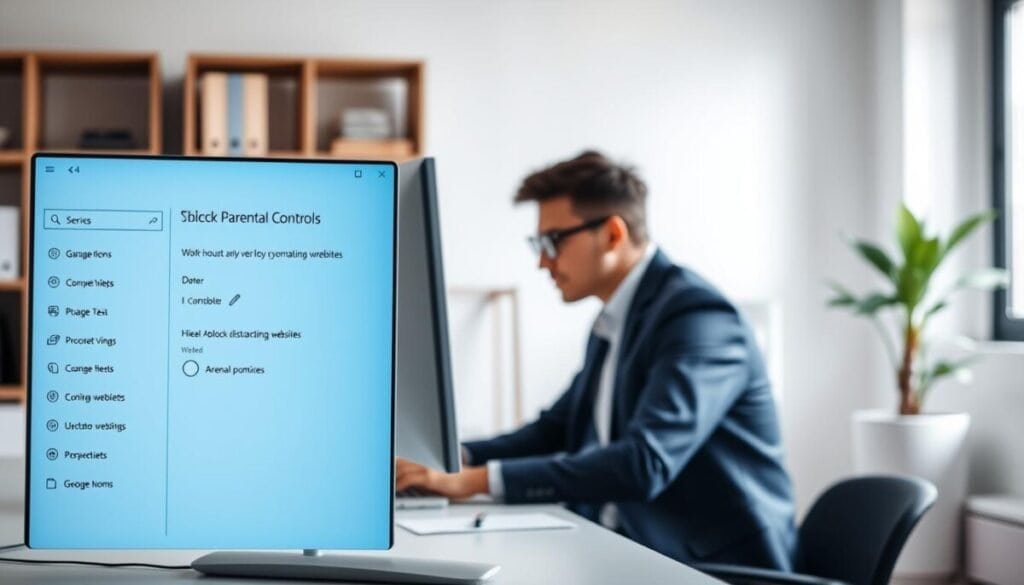
Windows Parental Controls
Create a child account via Settings > Accounts > Family & other people. Configure web filters and time limits to restrict specific sites and social media during the day.
Set screen limits and app restrictions for the computer. Use the family dashboard to monitor access and adjust rules per user.
Mac Parental Controls
Open System Preferences > Parental Controls. Add a managed user. Define allowed sites, app access, and scheduled periods for browsing.
- Native tools create family accounts that impose limits across apps and media.
- They require manual settings changes to refine restrictions per device.
- Use built-in browser options to add simple rules—less flexible than dedicated tools.
Recommendation: Use system controls for baseline protection; combine with specialized apps when granular automation is required.
Leveraging Browser Extensions for Targeted Focus
Implement browser-level controls to reduce tab switching and preserve cognitive bandwidth.
Use extensions that map access rules to a daily schedule. Apply rules per browser and per device. Integrate calendar events with extension settings for automatic enforcement. Consider how to manage block time in Microsoft Outlook to ensure you are focused during critical work periods. This can help minimize distractions and optimize productivity by scheduling uninterrupted time for important tasks. Additionally, aligning your access rules with your available time blocks will enhance overall efficiency in your daily operations.
Comparing Popular Browser Add-ons
- RescueTime FocusTime — Intelligent option to block websites based on daily goals and calendar events.
- StayFocusd — Chrome extension that enforces strict time limits on specific websites to sustain focus during the day.
- LeechBlock — Firefox add-on with granular lists and custom rules for targeted site restrictions.
- Forest (app) — Behavioral nudge that reduces screen use without traditional blocks; useful as a complementary app.
| Tool | Primary Method | Best Use |
|---|---|---|
| RescueTime | Calendar-linked FocusTime | Goal-driven blocking and analytics |
| StayFocusd | Time limits per site | Strict session controls in Chrome |
| LeechBlock | Custom lists and rules | Complex schedules across sites |
| Forest | Behavioral timer | Phone screen reduction and habit building |
Managing Distractions Across Multiple Devices

Synchronize device-level filters to enforce identical access rules on desktop and mobile.
Freedom provides a comprehensive app that syncs a central list across iOS, Android, and laptop devices to preserve focus.
Ensure internet control prevents users from bypassing limits by switching to a phone screen.
- Maintain one authoritative list—apply it across all devices.
- Prevent cross-device bypass to sustain focused time during the day.
- Enforce consistent access rules so people cannot alternate between apps and browsers.
Operational mandate: deploy a unified app that replicates rules across platforms. Monitor compliance and adjust the list when legitimate needs arise.
| Feature | Scope | Benefit |
|---|---|---|
| Central block list | All devices | Consistent access control |
| Cross-platform sync | iOS, Android, macOS, Windows | Prevents bypass via alternate screen |
| Schedule enforcement | Recurring daily sessions | Maintains sustained focus and higher output |
Implementing Automated Scheduling for Consistent Productivity
Define time rules that shift control from willpower to automation. Configure recurring limits to protect high-value tasks. Use tools that apply rules at predetermined times—not manually.
The Benefits of Time-Based Rules
Automated rules enforce predictable focus windows. They reduce decision fatigue. They also standardize access policies across devices and browsers.
Setting Recurring Focus Sessions
Set daily session ranges—for example, 9 AM to 5 PM—using an extension or app like BlockSite. Create repeat schedules so sessions activate without user input.
Integrate schedules with calendars. Link rules to blocked periods to align tasks and meetings.
Adjusting Blocks for Changing Workloads
Modify lists and periods as priorities shift. Allow temporary overrides for urgent tasks. Audit the schedule weekly and update limits to keep productivity optimal.
| Option | Action | Benefit |
|---|---|---|
| Recurring schedule | Set daily periods | Consistent focus |
| Device sync | Apply rules across devices | Prevents bypass |
| Flexible override | Temporary access | Adapts to load |
For guidance on integrating automation with site and app settings, see setting up AI tools on WordPress. Implement scheduling to protect concentration and improve measurable productivity.
Advanced Strategies for Maintaining Professional Focus
Create dynamic rule sets that adapt site access to task-specific demands and calendar context.
Integrate calendar triggers with automation platforms to start focused periods automatically. Use IFTTT or similar services to mute phones and turn on smart lights when focus begins. Pair calendar events with a central list to ensure consistent access control across devices.
Enforce strict limits on social media and news sites during peak focus times. Maintain a prioritized list that can change per task. Adjust the list before high-priority meetings to prevent accidental openings of distracting sites.
- Link calendar blocks to rules that activate across the browser and app stack.
- Configure the computer and browser to deny overrides during critical periods.
- Use extensions and an app to synchronize limits and report compliance.
| Technique | Trigger | Benefit |
|---|---|---|
| Calendar-driven rules | Schedule event | Automatic focus sessions |
| IFTTT automation | Device actions | Environmental cues—phones muted |
| Dynamic lists | Task context | Adaptive access control |
Maintain consistency. Audit rules weekly. For implementation details on intelligent enforcement, review RescueTime website blocking for advanced examples and analytics.
Building Sustainable Habits for a Distraction-Free Future
Establish repeatable rules that make focused sessions habitual rather than optional.
Use a reliable app and an extension to enforce recurring schedule rules. Create clear lists of sites and set limited access windows. Train attention—daily repetition converts rules into automatic habits.
Review lists and schedule weekly. Combine these controls with data from time-tracking apps to measure gains in time and productivity. Adjust rules based on metrics.
Commit to the system. Maintain the controls until focus becomes the default state. The result: more meaningful output per day and fewer digital distractions for people aiming for sustained performance.