
79% of collaborative designers report distraction from live cursors during review sessions. That single metric reveals the scale of a common problem—unwanted observation undermines focus and productivity.
This guide presents a systematic method to control presence within the design workspace. Follow concise, step-by-step instructions to configure visibility and cursor behavior. Expect methods that align with recent software updates.
Implement recommended settings to replicate a private office—no observers, no interruptions. Commands are precise. Execute each step to ensure maximum privacy during team sessions.
Key Takeaways
- Apply visibility controls to prevent remote observation during reviews.
- Adjust cursor sharing to remove real-time tracking.
- Follow update-aligned steps to keep configurations effective.
- Use toggles to switch visibility based on project needs.
- Maintain a focused workspace that mirrors a private office.
Understanding Visibility and Presence in Figma
Understanding which signals broadcast on the canvas reduces unwanted observation.
Community threads contain numerous replies years ago. Those threads show the issue persisted through years ago october and ago february discussions. The pattern indicates repeated demand for granular controls.
Presence affects file behavior and team flow. A browser cookie or cookies can influence session visibility. Developers note that the platform mode and the dev toggle change how users appear on screen.
- Forum history: many replies years ago and replies years february entries.
- Impact: multiple users on one file increases cursor noise and observation.
- Access: the shortcut to presence settings often sits inside the account plan and link menus.
| Element | Effect | Action |
|---|---|---|
| Cookie | Session persistence; influences presence | Clear cookies or use private window |
| Canvas mode | Cursor broadcast; name badges | Toggle mode in account plan |
| Developer tools | Dev mode shows more metadata | Disable dev view when reviewing |
How to Figma Hide Active Status and Cursor
Hiding your cursor during screen shares
Open the view settings and locate the display button. Disable other users’ cursors to stop pointer broadcasts.
Use a boolean toggle in the prototype when elements require conditional visibility. The Local Variables panel allows manual boolean edits to show or hide components.
Managing your account presence
Access the account settings menu for the presence shortcut. Change the presence toggle to prevent others from tracking movements across the file.
Validate the code logic that ties the local variable to the show/hide action. Check the console for errors if the prototype link does not update in real time.
- To remove cursors during a live session — use the view settings button.
- Implement a boolean toggle in the app — test the logic in the file.
- Refine dev mode so the developer handoff remains unaffected.
| Action | Location | Result |
|---|---|---|
| Disable cursors | View settings — display button | No pointer broadcasts on the screen |
| Local boolean toggle | Local Variables panel | Conditional element visibility in prototype |
| Presence shortcut | Account settings | Stops users from tracking across canvas |
Managing Dev Mode and Observation Settings
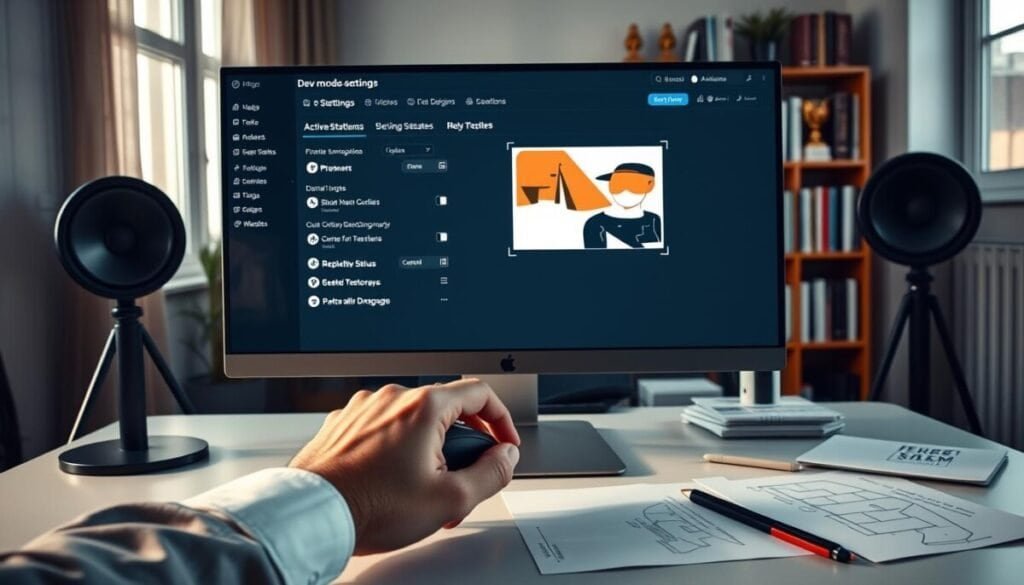
Disable observation features to protect workflow focus during sensitive design reviews.
Access the settings menu. Locate the dev mode controls and the observe toggle. Use the shortcut to switch observation off immediately. After adjusting the settings, you can create customized filters in Jira to better manage your workflow. These filters will help streamline tasks and enhance team collaboration. Make sure to test your new filters to ensure they function as intended.
Disabling observe mode to prevent digital stalking
Dave2 requested the ability to turn off observe mode after multiple replies years ago. Apply that request now—toggle the observe button to stop remote following.
- Most effective: disabling observe mode prevents digital stalking across the file and screen.
- Dev beta impact: the dev mode release changed inspect flows; update workflow to protect code and assets.
- Quick action: use the keyboard shortcut to toggle observation and resume private work time.
- Permissions: review account access so only authorized developers can inspect the file.
| Action | Location | Result |
|---|---|---|
| Disable observe | Settings — observe toggle | Stops others following cursor |
| Toggle dev mode | Account menu | Preserves code integrity |
| Shortcut | Keyboard | Immediate privacy control |
For offline workflows and confirmation of feature limits consult offline in Figma. Follow these steps to mitigate the issue noted in community replies years ago. In order to maintain a focused workspace, consider taking advantage of the option to mute comment notifications in Figma. This will help reduce distractions during collaborative projects, allowing you to concentrate on your design work. Additionally, regularly checking for updates can ensure that you’re aware of any changes in comment activity when you decide to unmute notifications. Setting up a custom status setup in Google Chat can further streamline your communication with team members. By customizing your status, you can effectively communicate your availability, making it easier for colleagues to know when they can reach out to you. This small adjustment can enhance your collaborative experience and promote a more organized workflow.
Maintaining Privacy in Your Collaborative Design Environment
Enforce a privacy plan that combines app-level toggles with regular session housekeeping. Apply a single procedural way — audit settings, clear sessions, and verify permissions.
Clear the browser cookie and the related cookies on a schedule. Do so after travel, public use, or major account changes.
Manage the account permissions aggressively. Revoke unused app access. Review file-level sharing to limit exposure. One way to enhance security on mobile devices is by customizing app icons on X to create a unique and less recognizable interface. This not only helps in personalizing the user experience but also adds an extra layer of privacy by obscuring the apps’ identities. Furthermore, regularly updating these icons can keep potential intruders guessing and increase overall device security.
Implement the steps in this guide and run quarterly checks. For legal and data-collection details consult the privacy policy. For session sign-out steps use the log out other devices procedure.
Result: fewer interruptions on the screen, controlled session tokens, and a secure design workflow.