60% of designers report task interruption within 15 minutes of starting focused work — a measurable hit to productivity.
Reduce that loss. Control the flow of comment alerts. Target the source: individual files and account settings.
Silence a file by opening the comments panel, selecting the three-dot menu, and choosing Nothing — a method documented by David Norman in October 2023.
Adjust global delivery in the settings menu to cut email and desktop app pings. Route nonurgent replies to digest mode. Limit Slack and email alerts to preserve deep work windows.
Apply systematic rules: identify high-interruption projects, silence their files, and maintain a clean menu and workspace. Use the notification preferences to set silent hours and delivery channels — in-app, email, or mobile. Additionally, you can mute notifications in Trello boards to further minimize distractions during critical tasks. This allows you to focus on the work that matters most without the constant interruption of alerts. Remember to regularly review your notification settings to ensure they align with your current priorities.
For related guidance on tailoring notification preferences across platforms, consult this customization guide: notification preferences customization.
Key Takeaways
- Silence individual files via the comments panel three-dot menu to stop direct alerts.
- Use account settings to change delivery — email, desktop app, or in-app.
- Set silent hours to protect deep work periods.
- Limit Slack and email integrations to reduce cross-app disruption.
- Implement file-level control when project-level disabling is unavailable.
- Route replies into digests to preserve focus and reduce immediate interruptions.
Understanding How Figma Mute Notifications Works
Alert grouping runs on a 30-minute cycle. The platform batches comment updates to reduce constant interruptions. This behavior is the default for each figma account.
The notifications modal in the file browser displays the 50 most recent items. Open the modal to scan recent activity. Adjust preferences to disable alerts that clutter the file list.
Every project interaction and team mention generates an alert. Use the menu to manage desktop notifications and delivery channels. Inline reply to a comment works immediately — settings apply globally to the account.
- Grouped comments deliver every 30 minutes — preserves focus.
- Modal shows up to 50 recent notifications — review and clear.
- Cannot disable at project level — silence individual files instead.
- Desktop app signals new items with a red dot next to the icon.
| Feature | Default Behavior | User Action |
|---|---|---|
| Alert grouping | Batches every 30 minutes | Rely on grouped delivery or adjust preferences |
| Recent history | Modal shows 50 items | Open modal to review and manage |
| Project-level control | Not available | Silence individual file to stop alerts |
| Desktop app indicator | Red dot for new items | Monitor icon; open app to clear |
Managing Global Email and Push Settings
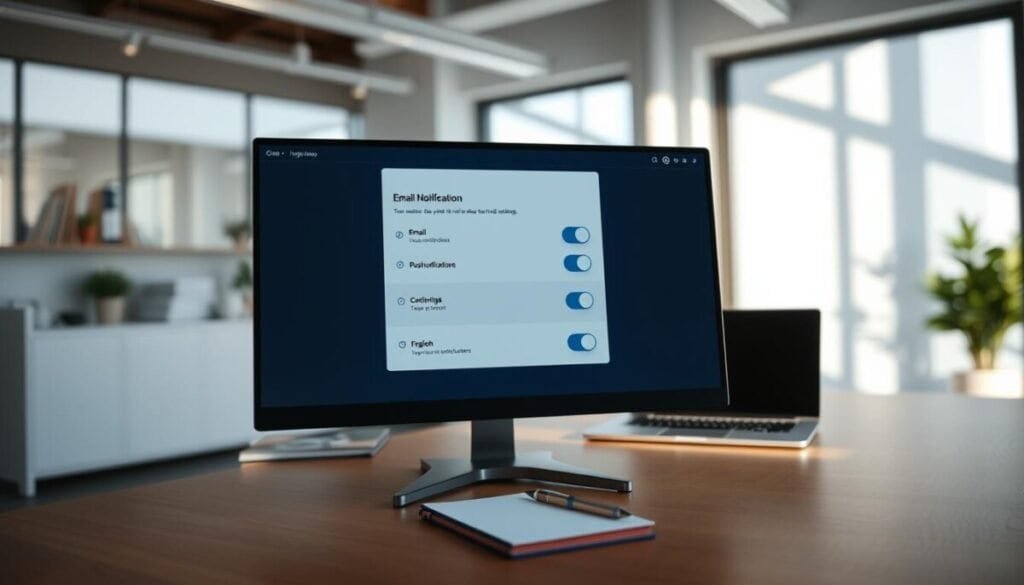
Centralize delivery rules to prevent email and push alerts from derailing focused work.
Configuring Email Preferences
Email notifications are enabled by default for file comments, mentions, and invites on the figma account. Open the settings tab in the file browser to change delivery rules.
- Choose to receive all comments, only mentions and replies, or none.
- Limit emails by managing which user groups generate messages.
- Set community comment preferences to reduce noncritical emails.
Adjusting Push Notification Triggers
Configure push rules in the same settings panel. Select delivery channels—app, desktop app, or email—to route alerts appropriately.
Enable Slack integration only for projects that require real-time collaboration. Tune the integration to avoid excessive notifications slack alerts.
Note: Disabling email notifications does not stop administrative messages. The account will still receive billing, admin, and security emails.
Controlling Desktop App and Slack Alerts
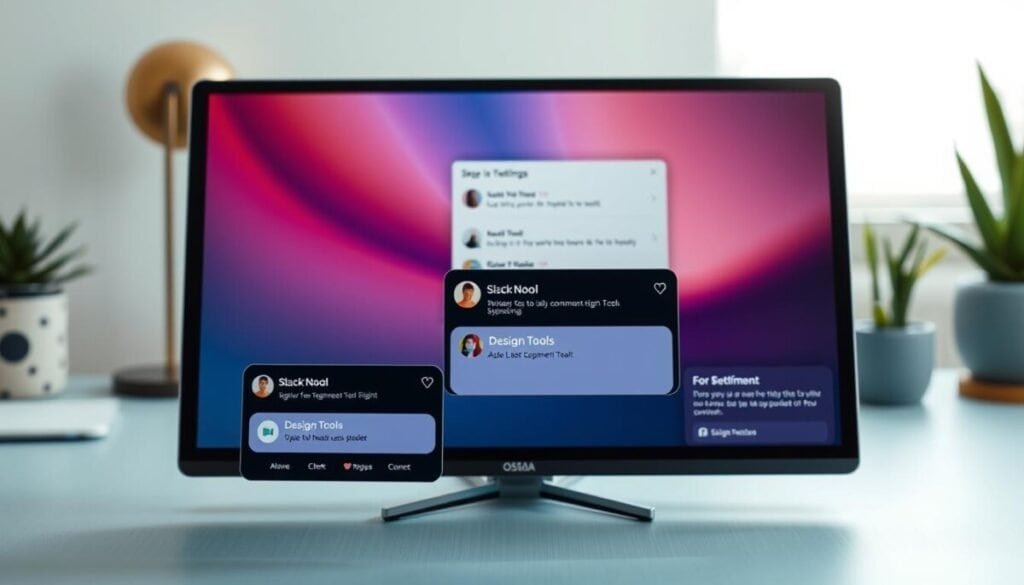
Stop desktop interruptions by turning off menu-bar and system-tray alerts.
On Mac, open Preferences and deselect Show Figma in the Menu Bar. This action stops desktop notifications delivered via the menu.
On Windows, open the Taskbar system tray and deselect Show Figma in the System Tray. The app will stop showing alerts in the tray area.
Slack integration and file-level alerts
Adjust the Slack integration to limit real-time pings. The integration can still send messages to channels and users. Tune delivery in integration settings to avoid constant Slack alerts. To enhance your focus and productivity, consider options to mute notifications for slack channels. This will help you concentrate on your tasks without interruptions. By fine-tuning these settings, you can create a more tailored work environment that minimizes distractions.
Manage comments file alerts inside the project. Review notification settings to ensure high-activity files do not flood the account. Even after disabling desktop alerts, users will still receive modal alerts in the file browser for team activity.
- Disable desktop notifications via Preferences or system tray — stops menu and tray delivery.
- Tune Slack integration — route only essential mentions and replies.
- Check file-level comment settings — prevent overload from busy projects.
For full account control, visit the guide to manage your notification preferences.
Maintaining a Distraction-Free Design Environment
Establish strict delivery rules across the desktop app and Slack to preserve deep work.
Silence high-activity files. Set delivery channels in the app. Route nonurgent items to digests. This reduces alert volume and protects focus windows.
Toku confirmed that muting an entire project is not available. Manage alerts at the file level instead. Prioritize essential comments and direct mentions during scheduled work blocks.
Limit integrations. Turn off channel pings in slack. Disable system badges on the desktop app. Configure email notifications to only send critical updates.
Review preferences weekly. Combine these settings with time-blocking or focus apps for measurable gains. For tools that improve focus and workflows, see this guide on productivity enhancement apps. For message delivery troubleshooting, consult this Messenger notification guide.