
Curious: can a simple daily ritual reshape your workday and reclaim hours? You will find a clear, practical path in this article. It shows a step approach professionals use to protect focus and improve planning.
Clockwise has helped tens of thousands of organizations in seven years. The team extended those gains with Clockwise for Microsoft to bring calendaring wizardry to outlook users. This guide gives a compact, usable method for blocking and managing time across multiple calendars.
You do not need a credit card required to start. Follow each step and you will gain the skills that make meetings leaner and deep work longer. Expect practical tips, quick wins, and firm examples you can use right away.
Key Takeaways
- Learn a clear step plan for better daily planning.
- Apply blocking techniques across multiple calendars.
- Clockwise tools extend these practices into outlook.
- No credit card required to implement basic strategies.
- Small changes yield big gains in focus and output.
Why Time Blocking is Essential for Productivity
When you guard parts of your day, deep work becomes predictable and doable.
Time blocking prevents meeting chaos by creating dedicated blocks for focused work and regular breaks. This structure helps you prioritize high-value tasks and daily meetings without constant context switching.
Use your outlook calendar to reserve lunch or a dog walk between 11:00 am and 1:00 pm. That window gives needed flexibility while keeping the rest of your schedule intact.
Planning time across your schedule makes availability clear across multiple calendars. Colleagues see real free and busy slots, which reduces surprise invites and overlapping meetings.
- Protect deep work with repeatable, short blocks.
- Mark personal breaks so productivity stays sustainable.
- Align work blocks with peak energy windows for best output.
| Benefit | Result | Example |
|---|---|---|
| Fewer Interruptions | Higher focus and faster deliverables | Two 90-minute deep work blocks per day |
| Clear Availability | Fewer conflicting meetings | Shared calendars reflect true free/busy status |
| Better Work-Life Balance | Regular breaks and recharge | Lunch or dog walk slot between 11:00 am–1:00 pm |
Discipline creates clarity. Start small, repeat blocks, and adjust based on real results. For tools and stepwise guidance, see the online tools guide.
How to Block Time on Outlook Calendar Manually
Set aside focused periods in your workday by creating explicit entries that protect your most important tasks.
Creating New Events
First, open outlook calendar and view the current week. This lets you place entries where they fit best.
Click the New event button or drag across the desired slot to create an entry. Give it a short, clear title so you recognize the purpose at a glance.
Add attachments, links, or a brief description in the event body. Those details help you dive straight into work when the block begins.
Setting Recurring Blocks
For repeat work, set the event to repeat daily or on selected days. Use the categorize menu to color-code blocks for quick visual scanning.
If you manage multiple outlook calendars, create matching entries across each one so your availability stays consistent across accounts.
| Action | Why it matters | Quick tip |
|---|---|---|
| Create new event | Reserves focused work periods | Use concise titles |
| Set recurrence | Builds a habit and reduces friction | Choose daily or weekdays |
| Add details & categories | Improves context and visibility | Attach task lists or files |
Utilizing the Task Panel for Scheduling
Use the sidebar task pane to drag items into visible slots on your schedule.
Click the top-right checkmark icon to open the My Day sidebar. This reveals your to-do list alongside your outlook calendar so you can act fast.
Drag tasks from the panel straight into available slots. That creates clear blocks that match real effort and keeps your work day organized.
Integrating tasks with your outlook calendar reduces context switching. You can set realistic durations and see conflicts across calendars at a glance.
- Open outlook calendar, reveal My Day, then drag a task into an empty slot.
- Adjust duration and labels so tasks become firm blocks in your schedule.
- No extra apps or credit card required for this built-in flow.
| Action | Benefit | Result |
|---|---|---|
| Drag task into slot | Matches effort with scheduled hours | Realistic time blocks for each task |
| Adjust duration | Prevents overbooking | Fewer clashes across calendars |
| Visualize tasks | Better daily focus | Consistent workflow across your day |
Managing Your Availability and Privacy Settings
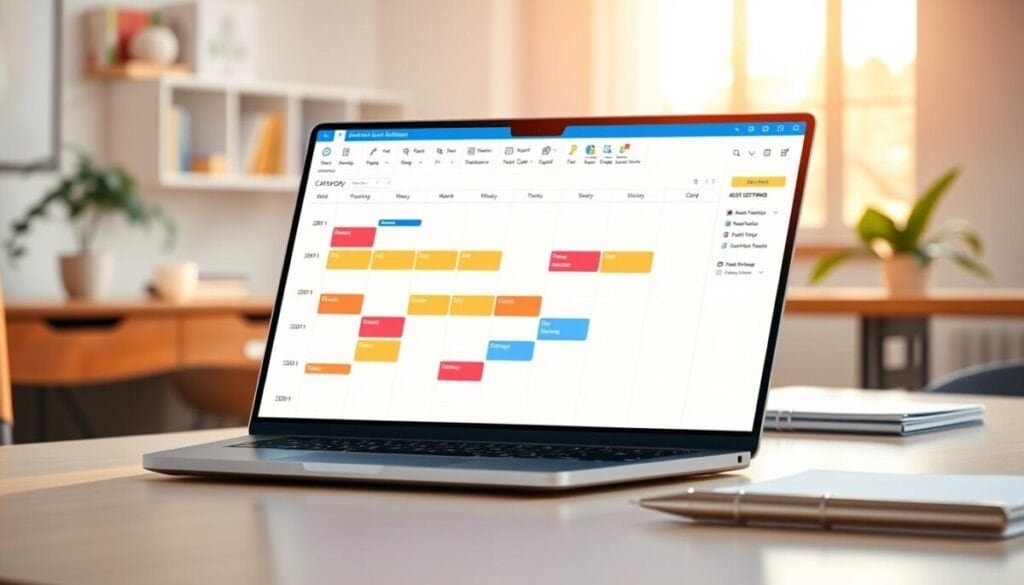
Set explicit visibility rules so colleagues see only what you want them to. Clear visibility keeps focus blocks safe and preserves professional transparency.
Marking Events as Private
Mark an event as private when the details are sensitive. When others use the Find a Time feature, private entries appear only as “Busy.”
This prevents viewers from seeing names, notes, or attachments. Use private flags for review sessions, coaching, or confidential work.
Adjusting Free or Busy Status
Right-click any entry and choose Show As. Pick Busy, Free, or Out of Office so others read your availability correctly.
Changing status stops meeting invites during protected blocks. It also helps you manage availability across multiple outlook accounts.
| Action | Result | Quick Tip |
|---|---|---|
| Mark event private | Others see only Busy | Use for confidential work |
| Set Show As = Busy | Prevents bookings | Right-click any event |
| Sync visibility across calendars | Consistent availability | Repeat settings in each calendar |
Advanced Techniques for Syncing Multiple Calendars
When several accounts share availability, small delays create big conflicts. That risk grows if you rely on manual sharing across teams and organizations.
Overcoming Syncing Delays
Manual sharing can take up to 24 hours to show changes. That lag often causes double-bookings and lost prep time for meetings.
Use a reliable sync tool that integrates with official APIs. OneCal links your profiles and can automatically block time across all your calendars in real-time. If you need to manage your social media presence effectively, consider using tools that allow you to delete tweets on Twitter efficiently. These tools can help you curate your online persona by removing outdated or irrelevant content. By maintaining a clean and polished profile, you enhance your engagement and connection with your audience.
- Manual updates may lag by a day and create conflicts across organizations.
- OneCal and similar services sync multiple calendars instantly, avoiding double-bookings.
- Keep event details lean: mark privacy where needed and share only essential status so colleagues know your availability without exposing sensitive notes.
| Challenge | Impact | Solution |
|---|---|---|
| 24-hour sync delay | Double bookings | Real-time sync tool |
| Privacy leaks | Exposed details | Use private event flags |
| Multiple accounts | Inconsistent availability | Central sync across multiple outlook |
Result: Accurate availability across platforms, fewer conflicts, and smoother coordination for meetings and long work blocks.
Handling Out of Office and Vacation Time
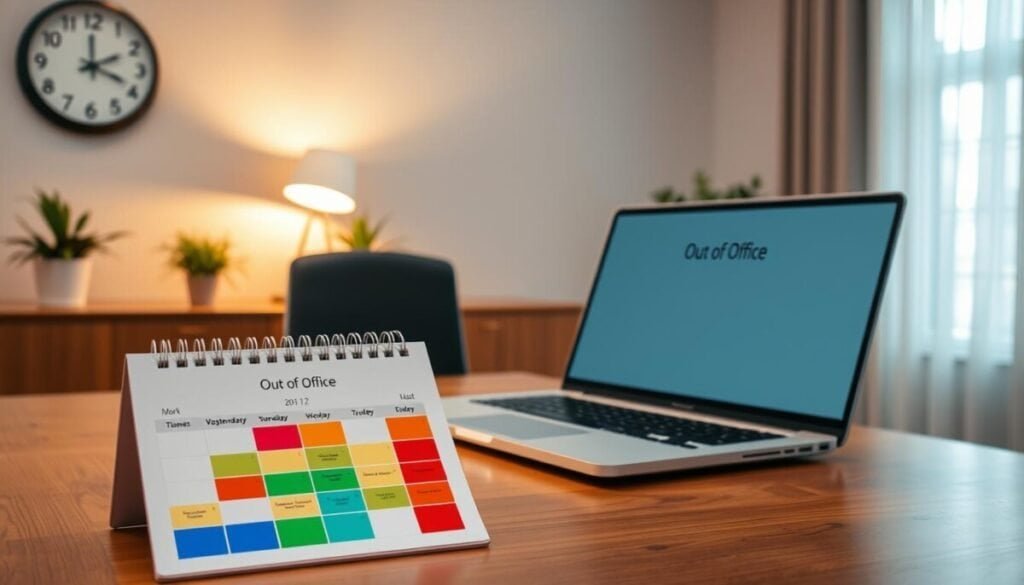
A clear out-of-office entry tells colleagues you are unavailable and protects planning. Mark your absence so others see accurate availability across multiple accounts.
Quick tip: In classic Outlook, press CTRL+SHIFT+Q to create a meeting request for vacation. That shortcut speeds creation and lets you include details, attendees, or an alternate contact.
Use an all-day event for full-day absence. This shows a visible banner without occupying hourly slots on others’ schedules. Set the status to Out of Office so it appears purple; Busy items show blue.
- Create a duplicate appointment for your own records rather than changing free/busy after sending a request.
- Ensure the event is marked Out of Office so colleagues know you are unavailable.
- Follow this step-by-step approach to keep details clear and availability accurate across multiple outlook calendars.
| Action | Why it matters | Quick step |
|---|---|---|
| Create meeting request | Records vacation with context | Use CTRL+SHIFT+Q |
| Set all-day event | Visible without blocking hourly work | Toggle “All day” |
| Mark Out of Office | Shows unavailability clearly | Select purple status |
For related scheduling issues and fixes, see this troubleshooting guide that covers common sync and visibility options.
Leveraging Automation Tools for Better Scheduling
Smart tools can manage conflicts across multiple accounts and preserve long focus blocks. Use automation to reduce manual edits and keep your day predictable.
Clockwise helps teams that use outlook coordinate meetings while creating extended blocks for deep work. It finds optimal meeting slots and protects your focus automatically.
OneCal syncs multiple outlook calendars in real time and keeps privacy intact. If you want block time across accounts, this kind of sync tool is the most reliable option.
- Auto-scheduling: Schedules meetings at the best possible slots while preserving large work blocks.
- Auto-holds: Places routine blocks for recurring tasks so you stay on track without constant adjustments.
- Visual cues: Automatic color coding makes weekly availability clear at a glance.
| Tool | Main Benefit | Best Use |
|---|---|---|
| Clockwise | Smart meeting placement | Team meetings and deep work protection |
| OneCal | Real-time sync | Sync multiple outlook calendars reliably |
| Built-in assistant | Quick holds and labels | Routine tasks and personal tasks |
For a developer-focused integration on blocking slots, read the blocking slots guide. For scheduling quirks, see this Instagram scheduler note.
Mastering Your Daily Workflow for Success
Consistency builds momentum. Stick with the same routine and you will protect focused work and reduce interruptions across your day.
Follow each step in this guide and refine your block time outlook habits. Use one clear event for priority work, then repeat it until it becomes automatic. When managing your time effectively, it can also be beneficial to schedule outofoffice replies in Outlook to minimize distractions. This way, colleagues will understand your availability and can plan their communications accordingly. Taking these steps will help you create a more productive work environment.
Manage commitments in microsoft outlook and sync tools so your schedule shows real availability. Practice keeping simple rules: prioritize, set length, and defend each slot.
Effective time blocking is a skill. With steady practice and the right tools, you will improve planning and keep long stretches for deep work.