Curious: can you keep every alert while in a quiet work mode and still get the messages that matter?
This guide answers that question with clear steps and practical advice. Mel Grant asked the community about receiving all notifications while in DND. Community comments clarified that the platform does not support that exact configuration today.
You can set status to DND to protect focus, but this mode blocks most incoming notifications and replies. If you face an issue, check your email for updates on any support ticket or contact microsoft support for help.
To influence product changes, use Help > Submit Feedback so developers see your suggestions. We also show how to adjust settings on Windows and within the app so your workspace stays productive during critical hours.
Key Takeaways
- Setting DND preserves focus but limits most notifications.
- Current product design prevents receiving all alerts in DND.
- Contact microsoft support or check email for ticket updates.
- Use Help > Submit Feedback to reach product developers.
- Adjust Windows and app settings to match your work rhythm.
Understanding the Microsoft Teams Do Not Disturb Status
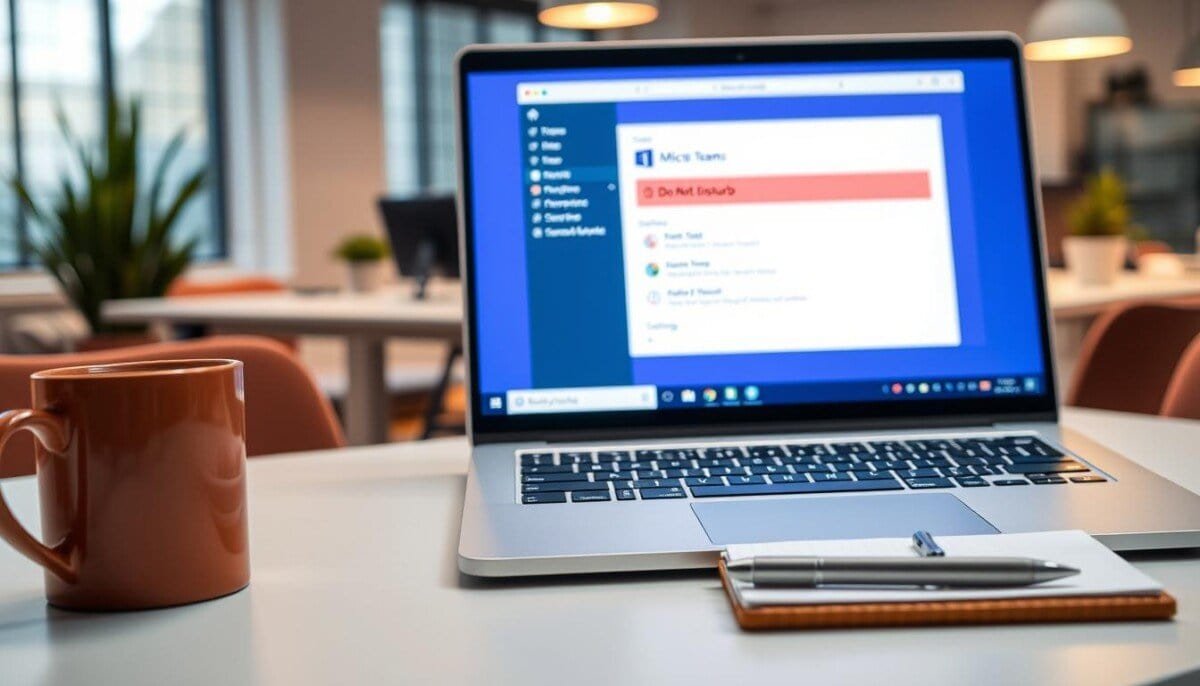
Understanding presence helps you protect your focus while still allowing critical contacts to reach you. Activating this mode silences most non-priority notifications so you can concentrate during a high-stakes meeting or focused work time.
The app integrates with your operating system. Go to Settings > Notifications to pick between the native Windows or Mac style and the default purple alerts. Choosing the right style keeps important alerts visible without adding clutter.
For professionals in a busy teams business environment, managing presence is a simple way to handle back-to-back meetings and incoming calls. Configure priority access for key colleagues so urgent calls and messages bypass silence.
We reviewed commentsno comments anonymous and comments anonymous feedback to address common questions about notification behavior. In larger organizations, a clear presence helps teammates know when you are available for collaboration.
- Silences non-priority alerts
- Integrates with windows or app notifications
- Helps manage meeting and focus time
How to Manually Configure Your Presence Settings

Take direct control of how you appear and who can reach you during focused work blocks.
Accessing Profile Settings
Open the app and click your profile icon in the top-right corner. From the dropdown, select the desired availability to set status manually.
Quick steps:
- Click your profile > choose availability from the menu.
- Pick a duration if you want the change to expire automatically.
- Confirm the change and check your activity and calendar for conflicts.
Managing Priority Access
To let key contacts reach you, go to Settings > Privacy > Manage priority access. Add managers or team leads so urgent messages and calls bypass silence.
If you have a question about an issue where your choice won’t stick, review calendar entries and activity logs. Conflicting meetings can override manual updates.
Refine teams business settings and app behavior in your windows environment. Use feedback or contact support if notifications still misbehave. These steps keep messages flowing from the people who matter while protecting focus. microsoft teams quiet hours setup ensures that you can distinguish between work and personal time. By customizing these preferences, you can tailor notifications to suit your schedule, minimizing distractions during important tasks. This feature allows for a more balanced workflow, enhancing overall productivity.
Troubleshooting Common Status and Notification Issues

If your presence and alerts stop matching, you can fix common sync problems with a few focused checks.
Start with the version. If you run 24215.1007.3082.1590, some users report that the desktop app can fail to sync with windows notifications. An update often resolves this quickly.
Try the web app as a temporary workaround. Independent Advisor Garcia recommends the browser client when the desktop app shows delayed notifications or an incorrect status.
Verify your settings next. Check profile, activity, and calendar entries to confirm nothing overrides your availability. Also inspect global windows settings that might block all alerts.
Quick checklist
- Confirm the app is up to date and restart it.
- Open the web version to see if messages and replies land there.
- Review profile, calendar, and privacy access for conflicts.
- Submit feedback if your availability or messages still don’t reflect reality.
- Contact microsoft support for account-specific help when needed.
If you want a deeper troubleshooting routine, follow a step-by-step troubleshooting guide and check common notification fixes like those listed for reminder tools in this notification reminders article.
Optimizing Your Workflow for Better Focus
Tightening how you manage presence and alerts sharpens your daily focus.
Block time for deep work and use DND to protect that window. Pair calendar blocks with clear availability so teammates know when you are offline for concentrated tasks.
Review your notifications and feedback settings every week. Tune the app and your windows focus options if calls still interrupt you.
If the design limits your workflow, submit feedback. Consistent use of these steps keeps projects moving and reduces context switching.
For tips on how to reduce interruptions, see this guide on reduce interruptions, and explore productivity apps to support focused sessions.