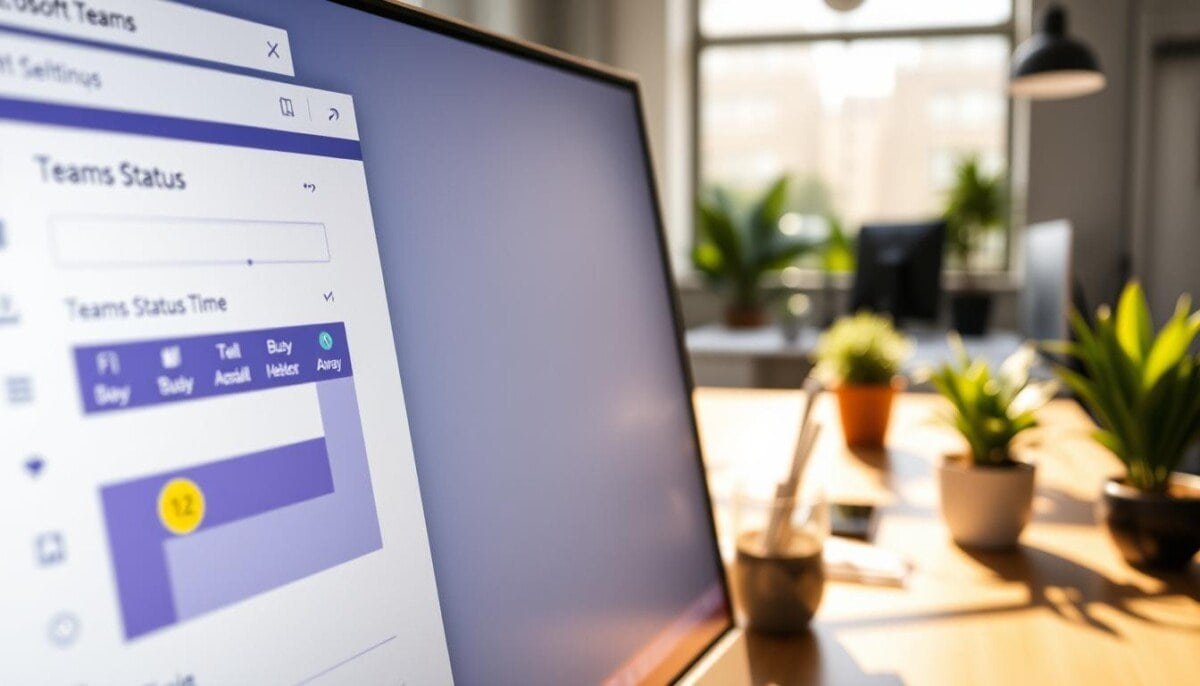
75% of collaboration delays stem from unclear availability. Address the gap with precise presence signals. This prevents confusion during live work on a shared canvas.
Configure presence to reflect actual working hours. Confirm where Customer content is hosted—EU by default. Enterprise Plan customers must verify exclusive hosting in the US or Australia to meet security protocols.
Check the official app health channel if a load error occurs. Read the service incident notes for timely information. Subscribe to platform updates to receive alerts about scheduled maintenance or outages.
Key Takeaways
- Set clear presence—prevent collaboration gaps on the canvas.
- Confirm hosting—EU default; Enterprise may use US or Australia.
- Monitor app health—consult official service incident information.
- Subscribe—receive timely updates about maintenance and outages.
- Document policies—align internal protocols with hosting choices.
- Manage presence—reduce cross‑timezone confusion during sessions.
Understanding the Importance of Miro Away Status
Real-time availability drives productive collaboration on every active board. The platform empowers 100M+ product managers, designers, and engineers to coordinate work on a single canvas. Effective teams can manage availability status in Pipedrive to ensure that everyone is aligned and informed. By streamlining communication, members can focus on pushing projects forward and addressing any challenges that arise promptly. This visibility fosters a culture of accountability and enhances overall productivity across diverse teams.
Define clear presence so editors and users know who can edit a board at any given time. The Card widget supports three explicit statuses—To do, In progress, Done—yet presence remains a core service function.
- Maintain consistency—standardize how the team marks availability to cut search time for contributors.
- Protect workflows—a deleted board disrupts progress; clear signals reduce surprise interruptions.
- Track updates—every user must indicate presence so content changes register in real time.
Enforce presence protocols to save time across boards. Require brief annotations when users leave a session. Measure compliance and iterate policies quarterly.
How to Configure Your Miro Away Status and Presence

Establish a repeatable workflow for toggling availability across desktop and browser boards. Follow a strict order when changing presence. Keep updates under five minutes to reduce edit conflicts.
Using the Desktop App
Open the desktop app. Click the profile icon. Select the appropriate status option to notify other editors. To maintain communication with your team while you’re away, you can set up out of office in Salesforce. This will ensure that your colleagues are aware of your absence and can manage their expectations accordingly. Remember to update your email signature to reflect your out-of-office status as well.
Confirm the icon appears next to the user name. Repeat for each board the user actively edits.
Navigating the Toolbar Menu
Open the toolbar. Locate the menu icon—the vertical three dots. Use this menu to access advanced presence controls.
Apply the options in the specified order. Use the three dots to toggle visibility, refresh a hidden board, or resolve a deleted board alert.
Managing Presence in the Browser
When working in a browser, open the toolbar menu and click the three dots. Set availability there to synchronize with the desktop app.
- Update within five minutes of stepping away—use minutes as the metric.
- Verify the icon is visible to other users on all boards.
- Follow the vertical three menu order to keep content consistent across app and browser.
Leveraging Status Reports for Team Transparency

Produce repeatable progress reports that give every stakeholder a clear project snapshot. Select a weekly or monthly reporting period based on executive needs and the project time horizon.
Customizing Project Progress Templates
Design templates that assign clear ownership to each task. Require that team members mark deliverables and update content within the reporting period.
- Weekly reports — allow team members to map milestones and surface roadblocks before they impact the board timeline.
- Monthly reports — consolidate multiple boards on the infinite canvas to measure progress across a longer period.
- Ensure reports answer two core questions: “Where are we?” and “How did we get here?”
- Require contribution from members to keep all content current and verifiable.
- Use custom statuses to visualize event chains and lifecycle changes for every member and task.
- Managers must use reports to resolve questions on resource allocation and align the team to primary goals.
For a practical template and example, consult a project status report example. For platform choices that support this workflow, review leading collaboration platforms.
Maintaining Effective Communication and Availability Standards
Require each user to log availability on every active board to preserve workflow continuity.
Enforce precise updates so editors and users coordinate work across multiple boards. Keep entries concise—name, role, expected return time, and a brief note on content ownership.
When a deleted board is restored, push immediate updates to the team. Confirm that all users receive the restoration information and resume tasks without open questions.
Audit presence protocols at set intervals. Track response time metrics to reduce wait time and improve service delivery.
For a practical troubleshooting checklist and record-keeping method, reference the restore workflow checklist.