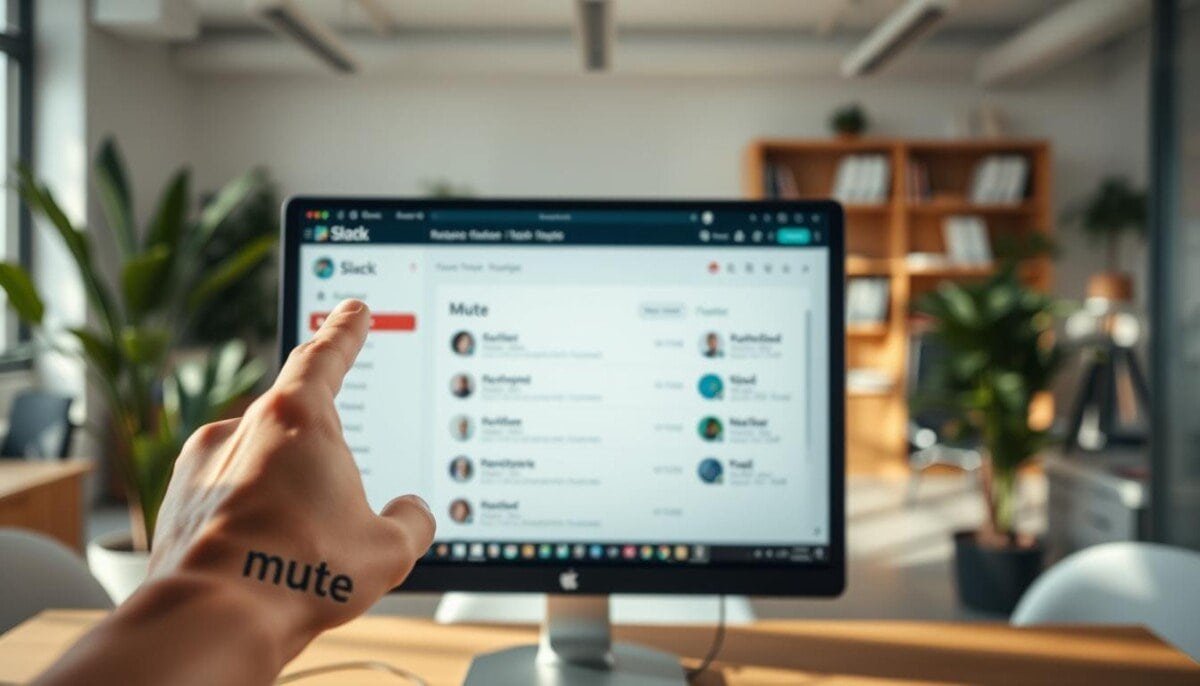
Reduce noise. Regain focus. Implement a precise method to filter real-time alerts without exiting the workspace.
Follow a stepwise protocol to control notifications on the app and on the phone. Identify the channel name. Open the channel settings. Apply the non-destructive option to mute slack so membership remains intact.
Do not exit. Preserve history. Preserve access. Preserve permissions. The process saves time and lowers cognitive load.
This instructional post synthesizes technical articles and tested procedures. Execute the steps to mute channel activity and prioritize high-value tasks. Track results and iterate with additional posts or internal articles for team adoption.
Key Takeaways
- Apply the non-destructive mute to stop alerts while remaining a member.
- Use channel settings on the app or phone to configure notifications.
- Identify low-priority channels by name before altering settings.
- Measure regained time and reduced interruptions after changes.
- Document steps in internal posts to scale the practice across teams.
Why You Should Mute Slack Channels
Filter nonessential updates to protect uninterrupted focus on priority work. Implement a simple rule-set to limit alerts without leaving the workspace.
Benefits:
- Organizations dispatch frequent project updates that create message overload. This increases time spent triaging, not doing.
- When you want mute specific conversations, cognitive load declines. Decision-making speed increases.
- Use this tech strategy to surface high-value notifications and prevent critical updates from being buried.
- Interruptions at different times fracture deep work. Silence reduces context switching and preserves momentum.
- Maintain membership and history—stay informed on demand without constant distraction.
For broader meeting and notification strategies, review the guide on online meeting tools. Apply the methodical approach above to reclaim time and control updates.
How to Mute Slack Channels on Desktop

Use the desktop interface to suppress noisy feeds without removing membership or losing message history. Open the workspace from a browser or the dedicated desktop app to begin.
Using the Channel Menu
Click the target channel name in the left-hand sidebar. The conversation header appears at the top of the screen.
Select the gear icon or click the channel name to open the settings menu. Choose the notification option and select mute channel. The thread will gray out on the sidebar. Direct mentions still display counts.
Right-Click Shortcuts
Right-click the same name in the sidebar. Use the context menu to pick the quick mute action. This shortcut reduces clicks and keeps the workflow on the current screen.
- Open slack in a preferred browser or the desktop app.
- Locate the channel name and view the header at the top.
- Use settings or right-click to apply the mute; verify notification counts for mentions.
Silencing Notifications on the Mobile App

Take command of mobile notifications using the conversation settings menu on the device.
Open slack on the phone. Navigate to the specific channel that requires quieter handling. Tap the channel name at the top of the screen to open the menu.
Locate the toggle labeled mute channel. Flip the switch to the on position. The phone will stop push notifications for that conversation. To customize your experience further, you can also mute notifications in Trello boards to keep your focus intact while managing tasks. This feature allows you to avoid distractions from updates and comments, ensuring you stay productive. Remember to revisit your notification settings as needed to strike the right balance.
- Open slack and find the channel by name.
- Tap the header to access settings on the screen.
- Use the toggle option to silence alerts on the phone.
- Steps match across Android and iOS—consistent behavior in the slack app.
| Action | Where | Effect |
|---|---|---|
| Tap channel name | Conversation header | Open detailed menu |
| Toggle mute option | Settings menu on screen | Disable push notifications on phone |
| Verify mention behavior | Channel overview | Direct mentions still alert |
| Repeat on other channels | Any channel name in list | Consistent, cross-platform result |
Managing Direct Messages and Bot Alerts
Centralize notification handling for one-to-one conversations and integrations to protect focused work periods.
Open the conversation. Click the notification icon or the settings & details menu at the top. Choose the option to select mute for that direct message. This stops alerts from that thread while preserving membership and history.
Muting Individual Conversations
Apply the control per-person. Notifications for that name stop in the direct thread. Messages from the same person in other channel contexts remain unaffected.
Handling Automated Bot Messages
Open the tools menu and go to Apps. Find the integration to silence. Click the bot’s name in the conversation header and use the conversation-level control to reduce automated alerts.
| Action | Where | Effect |
|---|---|---|
| Open slack and select conversation | Top of conversation | Access notification controls |
| Select mute | Settings & details menu | Stop direct-thread notifications |
| Find bot in Apps | Tools menu in app | Silence automated alerts from that integration |
Finding and Unmuting Your Silenced Conversations
Locate all silenced conversations from the account preferences to review and restore alerts.
Resetting Notification Defaults
Open the profile icon at the top of the workspace. Select preferences. The preferences window lists customized notification entries.
Scroll to the end of that panel. A consolidated list shows every altered channel and its current state.
- Click the X next to a channel name to reset defaults.
- Inside any conversation, toggle the bell icon with a slash to unmute without leaving the thread.
- On mobile—open the You tab, tap notifications, then select channel-specific notifications to manage the list in the app.
Use the menu and settings controls to verify the change. Confirm direct notification behavior for mentions. Follow the official configure guide for detailed steps: configure your notifications. For broader preference tips, review the notification preferences guide.
Using Do Not Disturb for Temporary Quiet
Set a quiet period in workspace preferences to prevent interruptions for a defined time.
Open the preferences menu. Locate the Do Not Disturb schedule. Define the start and end times for the focused block. To ensure uninterrupted work sessions, you can set do not disturb in slack during your most productive hours. This will help minimize distractions and allow you to concentrate fully on your tasks. Additionally, remember to deactivate it once you’re available to respond to messages again.
Use the settings menu in the desktop app or via a web browser. The schedule applies globally—silencing all notifications across the workspace.
- Verify AM/PM to avoid missing alerts at the end of the quiet period.
- Apply a single-entry mute channel approach only when workspace-wide silence is not required.
- Record the chosen time ranges and adjust future times based on results.
Confirm the Do Not Disturb state in the account menu. Use this temporary shield to protect deep work and restore normal notification behavior when the block ends.
For a complementary scheduling workflow, review the schedule focus time guide.
Streamlining Your Digital Workspace for Better Focus
Adopt systematic notification habits — reclaim time and reduce context switching. Establish a clear way to route alerts and preserve blocks of uninterrupted work.
Apply controls in the app and on desktop. Organize slack groups and channels by priority. Suppress low-value updates so critical items surface.
Manage each channel and direct thread by name. Limit nonessential messages. Verify settings to ensure mentions still generate attention when required.
Make maintenance a regular tech habit. Revisit this post and related articles to track feature updates. The result—more time for high-value work and less effort managing notifications.