Thirty minutes per week — that is the median time knowledge workers lose switching between tools. Present the loss as a measurable drag on productivity.
Use the centralized hub that Searchable Log of All Communication and Knowledge provides. Configure status updates to reduce notifications and repetitive message handling.
Automate status changes. Sync calendars and set reminders. Route video calls, tasks, and project updates into designated channels to limit interruptions.
Implement workflows that reflect meeting times and deep-work blocks. Assign clear rules for status and message routing. Monitor progress and collect feedback to refine the setup.
Key Takeaways
- Centralize communication — use the platform as a searchable hub for team knowledge.
- Automate status updates — sync calendar events and reminders to reduce manual steps.
- Reduce context switching — route calls, notifications, and messages into managed channels.
- Standardize workflows — create repeatable rules for meetings, tasks, and project updates.
- Measure time savings — track weekly minutes regained and iterate based on feedback.
The Importance of Protecting Focus Time in Slack
Hybrid workplaces amplify interruptions; instant messages and alerts fragment deep work.
Protecting focus time is essential for team productivity. Constant interruptions prevent sustained concentration required for complex tasks.
Managers must stop relying on manual status updates. Manual signals create ambiguity about availability and harm team communication.
- Recognize that notifications and rapid DMs disrupt cognitive flow for individual contributors and teams.
- Adopt specialized tools to manage delivery windows and reduce pressure for instant replies.
- Establish norms that prioritize async communication and respect scheduled work blocks.
Set clear boundaries — declare deep-work periods as protected time. Measure regained minutes per week. Iterate rules based on team feedback.
See recommended productivity enhancement tools at productivity enhancement tools for tactical options to support these policies.
Configuring Native Slack Focus Features
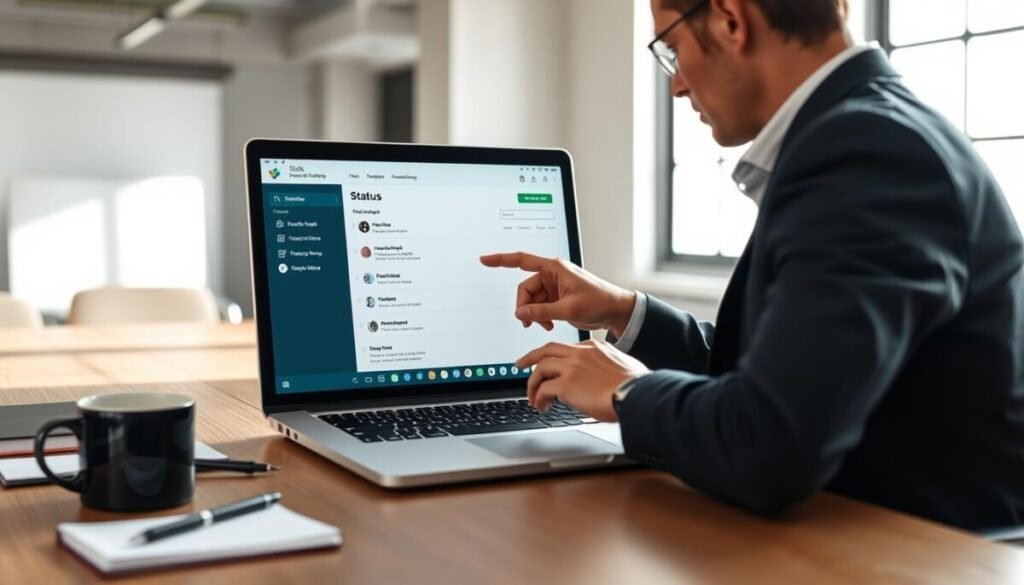
Use the platform’s native controls to silence alerts and communicate availability during concentrated work. Configure verification steps and clear rules to reduce interruptions and preserve productive time.
Using Do Not Disturb
Enable Do Not Disturb with the /dnd command to silence notifications instantly. Use scheduled DND for recurring deep-work blocks.
- /dnd — set duration quickly to protect focus time.
- Route nonurgent messages to designated channels to limit real-time pings.
- Set shared expectations so people know when a notification is deferred.
Customizing Status Messages
Standardize status text to improve team transparency. Include meeting or call times and expected reply windows.
- Update status after meetings to reflect availability and next steps.
- Use concise status templates so teams read and act on information fast.
- Combine status updates with notification rules for consistent behavior.
| Feature | Primary Benefit | Use Case |
|---|---|---|
| /dnd command | Immediate silence of notifications | Protect a 90-minute deep-work block |
| Custom status | Transparent availability | Post-meeting reply window |
| Channel organization | Noise reduction | Project-specific updates only |
Implementing Slack Focus App Integration for Automation
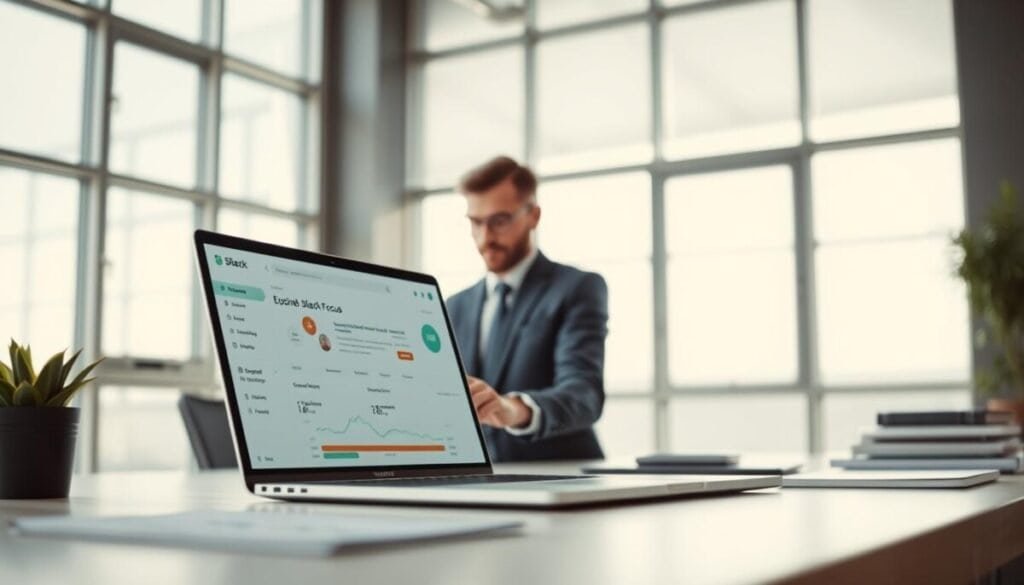
Enable scheduled status automation to maintain transparency across teams while protecting concentrated work.
Use Workflow Builder to automate routine tasks—reminders, requests, and feedback collection. Configure triggers for calendar events, meeting end times, and task completions.
Automated status updates ensure availability signals remain consistent. That reduces repeated manual edits and cuts the time teams spend managing presence.
- Automate reminders for post-meeting actions.
- Send feedback requests after milestones complete.
- Sync status changes with scheduled work blocks and meetings.
| Capability | Primary Benefit | Example Workflow |
|---|---|---|
| Automated status | Consistent team visibility | Set status at meeting end for 30 minutes |
| Reminders | Reduced follow-up time | Send task reminder 24 hours before due date |
| Feedback request | Capture insights promptly | Trigger survey after sprint demo |
Connecting External Calendars and Tools
Synchronize calendar events and meeting platforms so availability reflects actual commitments.
Ensure status accuracy—link external schedules to messaging systems to prevent needless interruptions during protected work blocks.
Syncing Google Calendar
Connect Google Calendar to update status automatically. Configure event-based triggers to set a status for meetings and deep work periods.
- Make busy events set a short status message; route notifications to a single channel.
- Use calendar rules to mark follow-up tasks and expected reply windows.
Leveraging Microsoft Teams
Align presence across teams platforms to maintain a unified availability signal.
Synchronize meeting end-times with status resets. Link Zoom meeting hooks so status reflects conferencing activity.
Using AttendanceBot
AttendanceBot syncs with Google Calendar or Outlook and updates slack status based on triggers.
Configure triggers carefully—confirm calendar source, event types, and task mappings to ensure accurate information.
| Tool | Source | Behavior |
|---|---|---|
| Google Calendar | google calendar | Automated status for busy/free events |
| Microsoft Teams | teams | Synchronized presence across channels |
| AttendanceBot | Outlook / Google | Event-triggered status updates |
Use the app directory to discover additional apps that connect calendars, manage notifications, and keep the team aligned.
Establishing Team Norms for Async Communication
Create a shared protocol so people can consume updates without immediate interruption.
Define when to use channels versus direct messages. Reserve channels for project updates and cross-team announcements. Use DMs for one-to-one clarifications only.
Standardize status updates to indicate protected work windows. Use consistent wording so the team reads availability at a glance.
Encourage recorded video updates. Replace meetings with short video summaries for progress and decisions. Allow asynchronous viewing to reduce meeting load.
- Designate one channel for urgent requests; route nonurgent tasks to threads.
- Collect and act on feedback about communication habits weekly.
- Document norms and review them after major projects.
For tactical guidance on async best practices, reference an authoritative guide on asynchronous communication. To align office hours across platforms, consult the walkthrough for scheduling in Microsoft Teams.
Troubleshooting Common Integration Challenges
When multiple connectors send overlapping alerts, teams must apply a methodical triage to restore signal-to-noise balance.
Managing Notification Overload
Identify the source. Audit active tools and channels. Note which channels produce the most messages.
Limit active connectors. Disable low-value integrations. Keep only tools that deliver measurable time savings.
- Review channel notification settings—subscribe only to critical updates.
- Check connection health between the messaging platform and external tools.
- Schedule audits of notification rules to match current team priorities.
Apply a systematic troubleshooting workflow—isolate the noisy integration, replicate the fault, then update alert preferences or revoke the connector.
For step-by-step diagnostics, consult the integration troubleshooting guide. For tools selection and management practices, see how to use online tools.
Sustaining a Productive Work Culture
Cultivate predictable availability, regular feedback loops, and minimized interruptions. Standardize status updates and channel rules so people know where to post updates and requests.
Use the slack app directory to locate tools that automate tasks and collect feedback. Deploy a consolidated bot—HANS at Hearst is an example—that merges information from multiple sources into one stream. customizing slack notifications for focus can also enhance team productivity. By tailoring alerts to specific projects and individuals, members can concentrate on their tasks without unnecessary distractions. This personalized approach leads to improved communication and efficiency across the board. Another effective strategy is mastering Slack Huddles for productivity, which allows teams to engage in quick, focused discussions without the need for lengthy meetings. By utilizing this feature, members can share updates and resolve issues in real time, ultimately boosting collaboration and decision-making speed. Additionally, incorporating Huddles into your routine can foster a more connected team environment, making it easier to achieve common goals. Additionally, teams can set up autoresponder settings in Slack to ensure immediate responses to common inquiries. This feature allows for better management of incoming messages, enabling members to prioritize their time effectively. Implementing such automation not only streamlines communication but also ensures that no critical messages are overlooked.
Encourage notification hygiene. Set meeting and call rules. Require brief post-meeting updates to record progress on projects and tasks.
Thanks, continue to measure time savings. For tactical tools and selecting apps, consult this collection of productivity enhancement tools.