Up to 25% of cross-organization contacts may see an employee’s availability when enterprise settings allow. This scale matters for enterprise workflows and security.
Describe the automatic indicator. Explain how a status slack marker gives instant context next to a name. Use the ⛔ emoji to flag unavailability across channels.
Configure the profile to display an automated message. Ensure messages appear when someone mentions the user in a channel or sends a direct message.
Verify enterprise permissions. Confirm whether members of external organizations can view office status details.
Begin at the profile picture in the sidebar. Then set slack preferences to update status and keep the team informed.
Key Takeaways
- Use the status slack indicator to signal availability.
- The ⛔ emoji appears next to the name to provide visual context.
- Automate a profile message for mentions and direct messages.
- Enterprise settings govern external visibility.
- Access the profile picture to set slack preferences quickly.
Why Setting an Out of Office Status Matters
Set a clear status to prevent ambiguity during planned time away. Studies show breaks—especially vacation—boost productivity and creativity. A concise indicator reduces stalled task handoffs.
Use slack to maintain transparency; real-time channels let work continue without manual email routing. Public conversations keep decisions visible and speed execution across the team.
- Maintain a professional office status to signal presence and preserve boundaries.
- Prevent anxiety about project continuity; enable coworkers to reassign or proceed.
- Keep critical discussion in channels—not buried in private email—to avoid knowledge gaps.
- Recognize that taking time away sustains long-term performance; set a status as the primary way to manage expectations.
- Provide transparency so teams move projects forward through many practical ways while one member is offline.
How to Set Up Your Slack Out of Office Auto-Responder
Begin at the profile picture in the sidebar. Click the Update your status field. Choose the ⛔ emoji labeled “Away” to publish the office status immediately.
Customizing your message
Set a custom status. Enter a concise office message that appears on the profile and when someone mentions the user. Keep the message factual. Use the message to direct coworkers to next steps or to an alternate contact.
Choosing an expiration date
Open the drop-down menu below “Remove status after.” Select a date and time. The status clears automatically. This prevents stale indicators and helps manage time expectations.
Editing or removing your status
Use the app to edit or remove the status after return. Use the provided button in the menu to pause notifications while away. For example, set the status for vacation and clear it when work resumes.
Syncing Your Calendar for Automated Updates
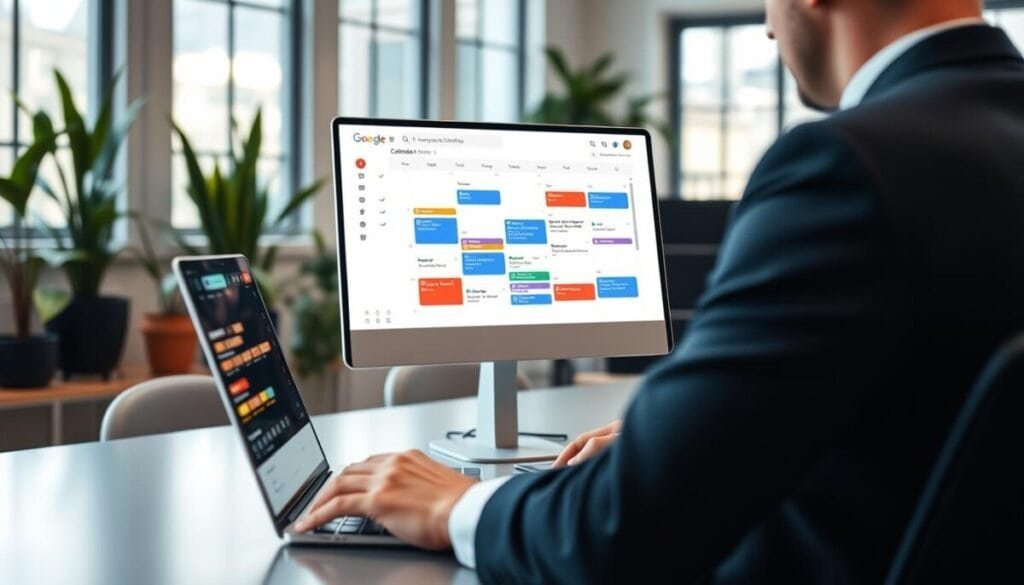
Connect calendar apps to ensure the profile reflects scheduled availability without manual edits.
Install the Google Calendar or Outlook Calendar app in the workspace. Open the app’s Home tab. Select Settings.
Click the toggle button to turn calendar syncing on. Grant read permissions. Confirm the app can see event titles and date ranges.
When a calendar event marked as vacation or busy begins, the ⛔ emoji will appear in the status slack. The system will update status automatically for the team.
Configuration checklist
- Navigate to Tools in the sidebar to find the calendar app settings.
- Enable sync so calendar events update status without manual steps.
- Add future out dates in the calendar to prepopulate the status.
- Use the toggle button to disable syncing when required.
Managing Notifications While You Are Away
Activate Do Not Disturb to limit interruptions and define when the team should expect replies. Use brief windows to set response priorities. Keep the schedule consistent with calendar events.
Adjust workspace settings in the app to map calendar events to status changes. Set the duration and link the status to Do Not Disturb so behavior remains predictable. Confirm the snooze icon appears next to the name; that icon signals silenced alerts.
- Set Do Not Disturb hours — prevent interruptions during planned downtime or vacation.
- Snooze icon — visible on the profile to inform the team that notifications are paused.
- Log crucial conversations in channels — avoid burying context in email; review messages after return.
- Ensure status reflects DND in settings so colleagues see accurate availability.
- Use the app to silence alerts — preserve personal time while keeping work messages stored for later.
For guidance on scheduling automatic presence when away, follow the steps to schedule offline status.
Using Reminders to Stay Organized Before You Leave
Use built-in reminders to migrate outstanding tasks from memory to a reliable queue. Reminders are messages that trigger at a chosen date and time. They prevent lost items and simplify return planning.
Setting reminders for your return
Schedule a reminder for a specific date to reopen a task. Use the reminder to reference the status and required next steps.
Before departure, instruct the team to set reminders for urgent items. Confirm workspace settings allow the reminders to surface as notifications.
Sending notes to yourself
Send a direct message to yourself for ideas and quick drafts. That personal thread acts as an immutable notepad—safe from being misplaced in luggage or inboxes.
- Use reminders to collect tasks that must resume after time away.
- Set a date reminder for critical project messages.
- Ask a colleague to add reminders to preserve the correct name and context.
- Example: set slack reminder to check a deliverable the first workday back.
Catching Up on Messages After Your Return
Perform a structured triage upon return. Use the desktop app to recover context fast.
Start with Mentions & reactions. Review threads next. Open All unreads to surface missed conversations.
Scan All DMs for direct requests. Use Threads to find follow-ups. Prioritize items that affect timelines and deliverables.
Check the profile. Clear the status to indicate presence and re-enable notifications.
- Use Mentions & reactions to identify urgent items.
- Open All unreads view to get started efficiently.
- Clear the status in the profile to notify the team that work resumes.
- Upload photos to a dedicated channel—for example, #vacation-photos—to reconnect culturally.
- Combine built-in tools—Threads, All DMs, and All unreads—to process messages in prioritized batches.
For a tested checklist and sequencing tips, follow this guide to catching up after vacation.
Maintaining a Healthy Work-Life Balance Through Better Communication
Make precise profile updates that convey return dates and escalation paths. Set a clear custom status. Use the update status field to publish a concise note. Limit the text to one line.
Provide an accurate office message and a return date. Include an alternate contact. Mark whether the absence is a vacation. Add one short instruction per line.
Publish a consistent status and a matching slack indicator. Model behavior for the workspace and for the team. Use planning tools—learn how to use online tools at use online tools. automate your workflow with Trello Butler can significantly increase your team’s efficiency. By setting up automated tasks and reminders, you free up time for more important projects. Embrace this feature to streamline communication and enhance overall productivity in your workspace.
Measure impact. Track how quick handoffs reduce stalled work. Use this example to normalize time away and protect personal time.