
60% of professionals report inbox confusion during planned absences — a clear signal to standardize automated responses. The Three Cherries guide (June 19, 2025) quantifies the disruption and prescribes disciplined status control.
Implement a repeatable method. First, set office parameters in the platform. Then, configure message templates that state duration and alternate contacts. Sync with Outlook to align availability across tools.
Manage status proactively. Mark the precise time for absence. Use the message teams feature to broadcast expectations. Ensure every automated response contains role, return date, and escalation path.
Enforce a checklist—verify status sync, test the office replies, confirm message delivery. Maintain this routine for consistent communication and reduced inbox noise.
Key Takeaways
- Standardize automated responses before planned absences.
- Sync microsoft teams with Outlook for accurate status data.
- Craft clear message templates with return time and contact info.
- Use status settings to prevent miscommunication.
- Test office replies and confirm delivery prior to departure.
Understanding Teams Out of Office Replies and Status Messages
Differentiate a quick presence indicator from a scheduled automatic reply. Define the purpose before changing any profile settings.
Distinguishing between status messages and automatic replies
Use a status message for short notices. Use automatic replies for system-level responses that reach email senders.
Set status message when availability is temporary. Create an office message that states return date and alternate contact. Confirm that a simple note will not function as an automated email reply.
Syncing your status with Outlook calendars
Click the profile icon in the microsoft teams app to set status options. Then verify calendar integration in settings so the office status replicates across linked platforms.
- Set status—manual update via profile.
- Enable calendar sync to reflect blocks.
- Test the configuration to confirm people see accurate presence.
For an advanced scheduler, consult the guide to schedule offline status and ensure calendar blocks exist when required.
How to Configure Teams Out of Office Replies for Business Accounts
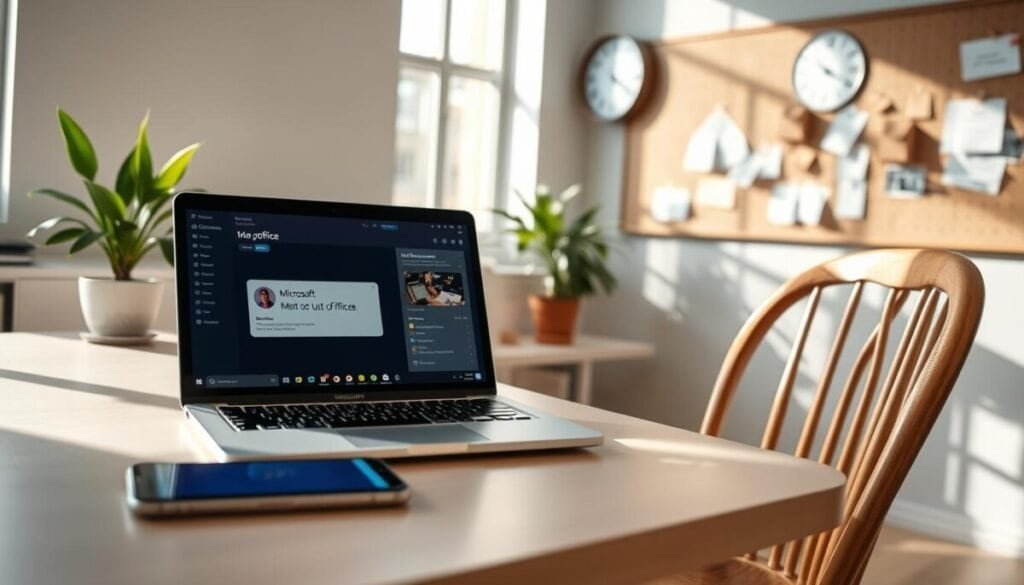
Configure scheduled office message notifications from the profile menu. Business accounts can set start and end dates so the system sends automatic responses during the defined period.
Navigate to the profile icon at the top of the window. Select the schedule option and enter the time period. Include clear details—return date, alternate contact, escalation path.
Turn automatic replies on or off as required. Use the settings link to verify send behavior for internal and external people. Confirm the status reflects the scheduled message so availability stays accurate across systems.
- Set precise times and dates to avoid overlap with normal work hours.
- Compose a concise message that manages expectations for any team member who contacts during absence.
- When you click settings, confirm integration with Outlook and the send rules for each contact type.
For advanced scheduling and calendar workflows, consult the guide to schedule focus time. Verify configuration before departure to ensure professional, predictable communication.
Setting Availability Status for Teams 365 and Mobile Users
Apply direct status updates on each device to maintain accurate presence.
Teams 365 accounts must manually set status message indicators because automated scheduling is not available. Update the profile and enter an office message that states return time and contact options.
Mobile users tap the profile icon in the app to set status message text. Use the menu to publish a clear message teams notification—this informs people when access is limited.
Remember to manually revert the set status once regular work resumes. Check profile status regularly; the message remains active until removed.
Workarounds for limited scheduling functionality
- Set status manually on web and mobile each time schedule changes.
- Compose concise office message templates for reuse.
- Use the menu shortcuts on mobile for rapid updates while traveling.
| Platform | Capability | Action Required |
|---|---|---|
| Teams 365 (web) | No automated schedule | Manually set status message; verify profile |
| Mobile app | Quick menu updates | Tap profile; publish message; clear on return |
| Business account | Automated scheduling available | Use schedule features; sync with calendar |
For guidance on aligning calendar blocks and automated hours, consult the Outlook scheduling guide.
Managing and Removing Your Out of Office Status

Execute a systemized reset of profile status to restore full accessibility for colleagues and clients.
Clearing status messages on desktop applications
Click the profile icon at the top of the app. Select settings and locate the automatic functions.
Turn automatic replies to the off position to remove an office message. Delete any existing status message text to restore full availability.
- Verify that send replies time and replies time period are cleared.
- Review calendar times and dates to remove lingering blocks.
- Business users should confirm the period and details before closing settings.
Resetting availability status on mobile devices
Open the app and tap the profile icon. Choose the option to clear the current status message and set status to available.
Confirm all automatic replies are disabled. Failing to do so may send outdated information to people.
For advanced removal steps and troubleshooting consult the removal guide to remove it later. For related scheduling workflows see schedule tweets.
If issues persist, contact Three Cherries support at 0117 9300 333 for professional IT guidance.
Best Practices for Maintaining Professional Communication While Away
Declare a concise status protocol before any planned absence. Draft a clear office message that lists contingency contacts and timeframe.
Use automation to reduce manual work. Connect Zapier workflows to microsoft teams to send channel messages for new tickets and to help set status automatically when possible.
When you turn automatic replies, make content actionable. Include who handles urgent tasks and note how to send replies for escalation.
Review profile and settings regularly. Create reusable templates for consistent communication across the team and business. For guidance on managing distributed work, see the project management guide for remote work: project management for remote teams. In addition to effective project management, implementing essential vpn tools for remote teams can enhance security and streamline communication. These tools protect sensitive information and facilitate access to company resources from anywhere in the world. To ensure a smooth remote work experience, consider adopting the latest technology that meets your team’s specific needs.