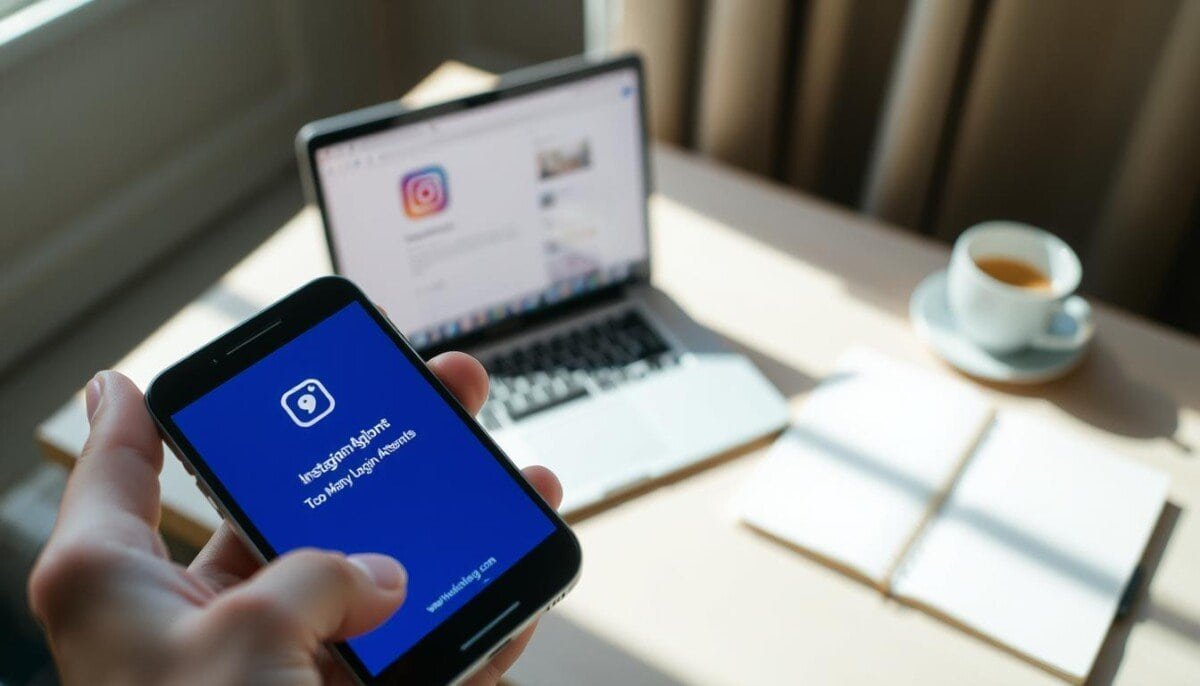
Have you ever stared at a screen and wondered why a security message stopped you from getting back into your account? This error can arrive suddenly and block access for minutes or longer. It often appears after repeated wrong entries or suspicious activity. One common issue users face is fixing login attempts on TikTok, which adds to the frustration of regaining access. Understanding the underlying reasons for these security measures can help you navigate the process more smoothly. By following the recommended steps, you can expedite your return to the platform and avoid future lockouts.
This short article gives a clear process to regain access to a temporarily locked instagram account. You will learn how to verify identity with your phone number or email, reset a password, and follow on-screen instructions to unlock your profile.
We also explain why apps or phishing attempts can trigger the lock and what security steps reduce future risk. For practical waiting-time tips and troubleshooting, see this guide on related sign-in problems at sign-in troubleshooting.
Key Takeaways
- Pause and wait: the block usually clears in 5–30 minutes.
- Verify identity via phone number or email to restore access.
- Use a password manager and update your password after regain.
- Check connected apps and watch for phishing signs.
- Enable two-factor authentication to protect your account long-term.
Understanding the Too Many Login Attempts Instagram Fix
Know why your account becomes temporarily locked. Platforms flag unusual access patterns to stop unauthorized use. They watch for repeated password guesses, sudden IP changes, or automated app activity.
The security message you see is a protective step. It limits access while the system checks your credentials and device signals. Instagram uses your phone number and email address to confirm identity before restoring access.
How verification works:
- System detects suspicious behavior and pauses sign-ins.
- It sends a code to your registered phone number or email address.
- You enter that code to prove account ownership and reset a compromised password if needed.
Keeping apps and account information current reduces false flags. Enable two-factor authentication to add a second check and cut the chance of future lockouts.
| Trigger | What the system checks | Quick user action |
|---|---|---|
| Multiple failed sign-ins | Recent password entries, device ID | Use registered email or phone number to verify |
| IP or location change | New network, VPN or proxy | Confirm via code sent to email address or phone |
| Third-party app activity | Unusual API requests or automation | Review connected apps and revoke suspicious app access |
For step-by-step troubleshooting, see related sign-in troubleshooting guidance in this article.
Common Triggers for Account Lockouts
Unusual network behavior and automated tools are the top causes of account lockouts. Systems compare recent sign-ins against your normal pattern. When they see differences, the platform sends a security message and may limit access while it verifies identity.
Network and IP Address Issues
When your team signs in from multiple locations, IP changes can look like a break-in. Using VPNs, shared phones, or the same email across devices can confuse the check process.
Quick signs: sudden location changes, frequent new device entries, or mismatched address and phone number data.
Suspicious Automated Behavior
Third-party apps that auto-like or auto-follow send high-volume requests. The site interprets that as bot behavior and triggers a temporary lock.
- FTC warns that phishing sites steal usernames and password info.
- Unauthorized apps acting at inhuman times raise immediate security flags.
- If the system detects unusual activity, you may become temporarily locked until you verify.
Keep a clean log of who accesses the account and avoid unvetted apps. That helps preserve access and makes two-factor authentication your strongest security layer.
Immediate Steps to Regain Account Access
Start by opening the app and tapping the “Forgot password?” link on the sign-in screen. This triggers the standard recovery flow and keeps your process official.
Follow the prompts to verify identity. If your account is temporarily locked, the site will ask for a phone number or email address to send a security code.
- Enter the code sent by text or email on the screen to confirm ownership.
- Use the official app to sign in—one verified source reduces phishing risk, per a wikihow staff writer recommendation.
- If a team manages this social media account, have only one person try access at a time to avoid repeated errors.
If code delivery fails, provide your phone number email or number email address as prompted. This lets the platform route a recovery message to your preferred address phone number.
Still locked? Enable two-factor authentication as a next step. It proves you are the legitimate owner and helps restore normal account access quickly.
Verifying Your Identity with Instagram Support
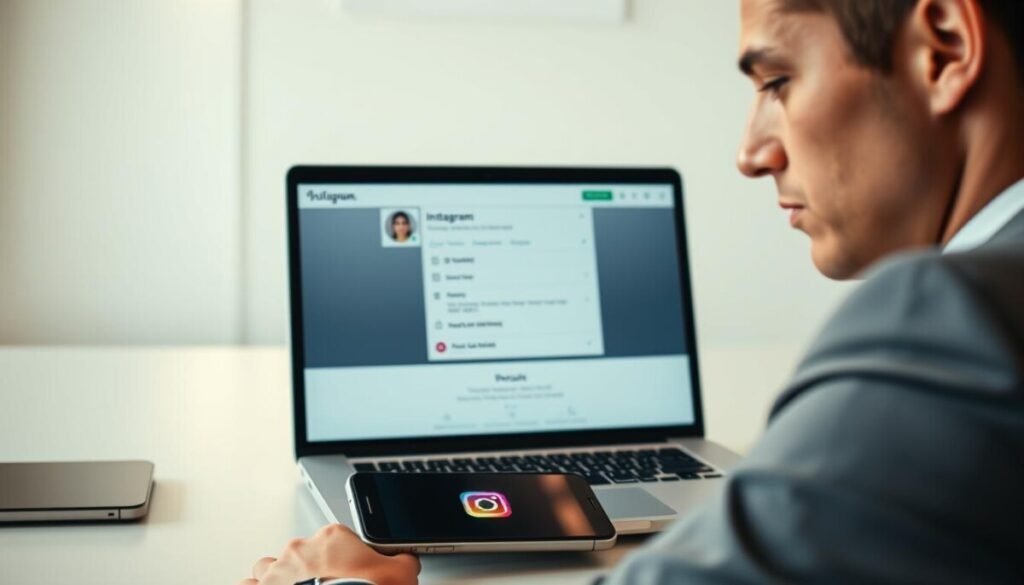
When the usual reset tools don’t restore access, reach out to Instagram support for identity verification.
You will need to visit the official help page and follow on-screen instructions to submit a clear, color photo of a government-issued ID that shows your name.
The support process may also ask for a video selfie or additional details to confirm you are the rightful owner of the account.
- Provide your email address and phone number so the team can match records.
- Include the app or apps you used to manage the social media profile if asked.
- Double-check that the uploaded image is readable and full color to speed review.
Alexa Groat from Statusphere regained account access in just 15 minutes by following this approach.
Keep all account details ready and watch your inbox for a confirmation message. If standard steps stall, consult this recovery guide for additional ways to complete the process.
Managing Third-Party App Permissions
A quick audit of which tools can access your profile cuts risk and keeps your account stable.
Unauthorized third-party apps often trigger security flags. Those flags can block your login and limit access until you verify identity.
Open your account settings and review connected apps. Revoke any service you do not recognize. If your social media team uses scheduling tools, confirm they are verified and trusted.
- Revoke old apps: removing unused tools protects your password and account credentials.
- Limit connections: fewer authorized apps lower the chance of bot-like activity.
- Check contacts: verify your phone number and email address are current and secure.
If you suspect an app causes problems, remove it immediately. Then change your password and re-check access methods that use your phone number or email address.
| Risk | Action | Result |
|---|---|---|
| Unknown third-party apps | Revoke access in settings | Restores stable account access |
| Scheduling tools used by a team | Verify vendor, limit users | Prevents automated flags |
| Outdated contact info | Update phone number and email address | Smoothes recovery and verification |
Pro tip: For guidance on automated behavior that can trigger blocks, read this article on automated behavior. If you need step-by-step recovery help after removing an app, see our troubleshooting guide.
Strengthening Your Account Security
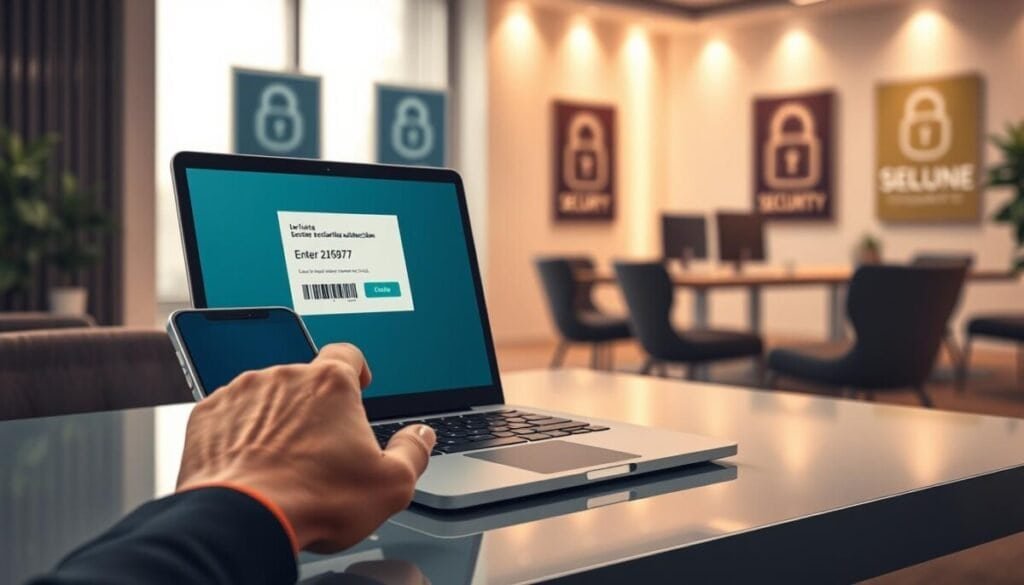
Protecting your account starts with a few simple settings that stop most unauthorized access.
Two-factor authentication is the single best move you can make. Brandon Phipps, a technology specialist with 23 years of experience, strongly recommends enabling two-factor authentication on every social media account.
Enabling Two-Factor Authentication
Turn on two-factor authentication in security settings. Choose an authenticator app or a text code to add a second check. If you encounter issues with this feature, you can refer to twofactor authentication troubleshooting steps to resolve them. Common problems may include not receiving the authentication code or compatibility issues with your chosen app. Ensuring that your device’s time settings are accurate can often help fix these issues swiftly.
Why it helps: it blocks access even if someone learns your password.
Using Unique Passwords
Create a unique password for this account. Do not reuse passwords from other services.
Use a password manager to generate and store complex entries. This keeps your team from sharing the same credentials.
Utilizing Backup Codes
Save backup codes in a secure place. Backup codes let you regain access if you lose your phone number or cannot receive a text.
Keep your address phone number and email address phone updated so recovery messages reach you without delay.
- Audit third-party apps regularly and remove any you do not recognize.
- Train your team on these protections to reduce mistaken sign-ins.
- Change your password immediately after revoking app access or suspecting compromise.
| Action | When to use | Expected result |
|---|---|---|
| Enable two-factor authentication | Immediately for all accounts | Reduces unauthorized access by requiring a second factor |
| Use unique passwords | During setup and after any breach | Prevents credential stuffing across services |
| Store backup codes | If you lose your phone or cannot receive a text | Allows account recovery without the device |
| Audit third-party apps | Quarterly or after suspicious activity | Limits automated or malicious access; see third-party login issues |
Best Practices for Shared Team Accounts
Shared accounts need clear rules to prevent accidental security blocks. Set roles so only a few people have direct access. Limiting who can sign in cuts risk and reduces confusing activity spikes.
Use a secure password manager to share credentials. This keeps the actual password hidden while giving your team safe access. Store recovery email and contact details in the manager so you can act fast if something changes.
- Limit direct account access to essential staff.
- Rotate credentials when team members leave.
- Ban unvetted third-party apps and review permissions monthly.
Centralize publishing through one tool or process so posts stay consistent and fewer people touch credentials. Statusphere’s work—over 75,000 posts for 400 brands—shows professional management scales without raising risk.
Monitor access logs and set a simple protocol for who posts and when. If you see unexpected activity, follow the recovery steps and consult this account API error guide for technical issues.
Maintaining Long-Term Access to Your Profile
Maintain control by regularly auditing devices, apps, and contact info. Open Instagram at least weekly to review active sessions. Revoke any unknown access and update your phone number and email so recovery messages arrive fast.
Stay informed: a wikihow staff writer notes that following platform security updates helps keep your profile safe. If you ever lose access, use official channels to verify identity and get back into your account quickly.
Make two-factor authentication a rule. Use unique passwords and store backup codes in a secure place. These small habits protect your social media presence and ensure long-term access to your Instagram account.
For troubleshooting on posting or stalled uploads, consult this post stuck guide for practical steps.