Which option will help your team connect better and save time? This guide answers that question with clear steps you can follow today.
You face a common choice in modern customer work. Content Marketing Specialist Sandra Posavac notes many professionals struggle to choose the right tool.
This short introduction explains the core differences and why they matter for your business goals.
You will learn how to use whatsapp business features to reach the right people, keep compliance, and improve daily communication.
Read on to get a simple, step-by-step method that helps you decide which model fits your needs. By the end, you will know which option to pick to optimize results.
Key Takeaways
- Identify your goal first: one-way notices or two-way discussions.
- Match the tool to audience size and consent rules.
- Use whatsapp business features for verified messaging and templates.
- Prioritize message relevance to boost delivery and engagement.
- Choose the model that fits daily workflows and compliance needs.
Understanding WhatsApp Broadcast Lists vs Groups
Your choice of communication model changes how recipients see and respond to messages. This section explains each feature so you can pick the right tool for business outreach.
Defining Broadcast Lists
A broadcast list sends one message to many contacts, but each person receives it as a private 1:1 chat. It caps at 256 contacts per list and keeps recipient identities hidden. That privacy makes it useful when you want one-way updates that feel personal.
Defining WhatsApp Groups
A group lets up to 1,024 members interact in a shared chat space. Members can share media and see each other’s number, so this model supports community discussion and collaboration. It requires active moderation to keep messages on-topic and professional.
- Delivery: private 1:1 for broadcast; many-to-many for group.
- Scale: 256 contacts per broadcast list; 1,024 members per group.
- Privacy: recipients stay hidden with a list; members are visible in a group.
Core Differences in Communication Models
Your choice of chat model shapes how people respond and engage.
A broadcast is a one-way tool. Messages go out as individual chats, so recipients do not see each other. That keeps contact details private and preserves a professional tone for announcements.
A group supports two-way communication. Members post in a shared chat and can reply to anyone. This feature helps collaboration but increases noise and can expose sensitive contact data.
- Use the one-way option for alerts and short updates.
- Choose the group option for discussion, planning, or feedback.
- Match the feature to the sensitivity of your data and the need for replies.
| Aspect | One-way model | Two-way model | Best for |
|---|---|---|---|
| Message delivery | Individual 1:1 chat | Shared chat visible to all | Announcements vs discussion |
| Privacy | High — recipients hidden | Low — members see contacts | Customer notices vs team talks |
| Engagement | Limited replies | Rich, real-time interaction | Alerts vs collaboration |
How to Set Up Broadcast Lists for Marketing
A clear setup makes reaching customers easier and less time-consuming. Start by confirming that recipients have saved your business phone number. Only contacts who save your number will receive your messages.
Open the Chats tab and choose “New Broadcast” in the WhatsApp Business app to create a list. Give the list a name that matches the audience segment, such as “Promotions” or “Loyal Customers.”
Segment your audience so each list gets relevant updates. Smaller, focused lists improve open rates and cut complaints.
- Ensure opt-in: customers must save your contact to receive broadcasts.
- Use templates: share promotions, announcements, or sales with concise, action-driven copy.
- Scale when needed: use the WhatsApp Business API to reach thousands of opted-in customers beyond the 256-contact cap.
Protect privacy—recipients see messages as private 1:1 chats. That makes this channel ideal for professional marketing and timely updates.
Best Practices for Managing WhatsApp Groups

Managing a business chat well starts with a clear set of rules everyone can follow. That foundation keeps communication focused and reduces confusion for members.
Setting Clear Rules
State the purpose and allowed content up front. Tell members what types of messages belong in the group and what should go to direct support. Keep rules short and visible in the group description.
Moderation Strategies
Assign a small team of moderators to approve links, remove spam, and steer discussions back to useful topics. Use quiet hours and pinned notes to limit off-hours interruptions.
Managing Member Expectations
Be explicit about response times and file rules. Let customers know when live support is available and which topics need private follow-up. If a group grows too large, move some customers to a more structured support channel or to a broadcast option for one-way updates.
- Keep rules simple: one purpose, one set of posting norms.
- Train moderators: fast action keeps the chat useful.
- Set hours: define when two-way communication is active.
Privacy and Data Protection Considerations
Protecting customer data should be the first step in any messaging plan. Treat privacy as both a legal obligation and a trust-builder for your brand.
Keep clear consent records. Document when and how each contact agreed to receive messages. This record protects you and helps resolve disputes quickly.
A proper whatsapp broadcast hides other contacts, so no recipient can see who else is on the list. That feature reduces exposure of phone numbers and lowers risk of accidental leaks.
Never share personally identifiable information in shared chats. One slip can cause serious breaches and damage customer trust. If you operate in a regulated field, align message content and retention with applicable laws.
Use short retention policies and limit sensitive content in broadcasts. When in doubt, move complex or confidential cases to secure, private support channels.
- Keep consent visible: timestamps, source, and opt-in text.
- Audit regularly: review who receives what and why.
- Comply with rules: follow sector regulations to avoid penalties.
For a quick guide on notification consent and handling dates, see notification consent best practices.
Scaling Your Outreach with the Business API

When customer volume grows, you need tools that scale without losing a personal touch. The WhatsApp Business API lets you send approved templates at scale while keeping messages tailored.
Benefits of Template Messaging
Automate routine updates. Use templates to send order confirmations, appointment reminders, and payment notices. Templates reduce manual work and speed up communication.
Keep it compliant and consistent. Pre-approved templates meet policy rules so your message delivery stays reliable and avoids blocks.
- Personalization at scale: merge fields let each customer get a direct-feel message.
- System integration: connect the business api to CRM and sales tools to trigger messages from workflows.
- Analytics: measure delivery, open rates, and optimize for better marketing and sales results.
As your team grows, the api becomes essential for handling high volumes of customer interaction without losing service quality. For setup tips and a practical guide, see our WhatsApp broadcast guide.
When to Choose One-Way Announcements
Opt for one-way announcements when you need to share clear updates without sparking a conversation.
Use a broadcast list for sales promotions, urgent service notices, or routine alerts. Each recipient gets the message as a private chat, which helps keep tone professional and reduces noise.
Choose this feature when you do not require replies or group feedback. It keeps communication organized across your customer base and supports marketing and operational updates.
A practical limit is 256 contacts per list. If you need to reach more people, consider the WhatsApp Business API to scale and still personalize messages.
- Confirm contacts saved your phone number so they will receive broadcasts.
- Use templates for promotions and time‑sensitive updates to keep content consistent.
- Prefer one-way announcements when privacy and clarity outweigh open discussion.
| Use case | Best choice | Why |
|---|---|---|
| Sales promotions | Broadcast list | Delivers a private, concise message to many customers |
| Urgent service updates | Broadcast | Fast reach with low interruption and clear instructions |
| Customer discussion | WhatsApp group | Allows back-and-forth, community input, and shared files |
Leveraging Two-Way Interaction for Customer Support
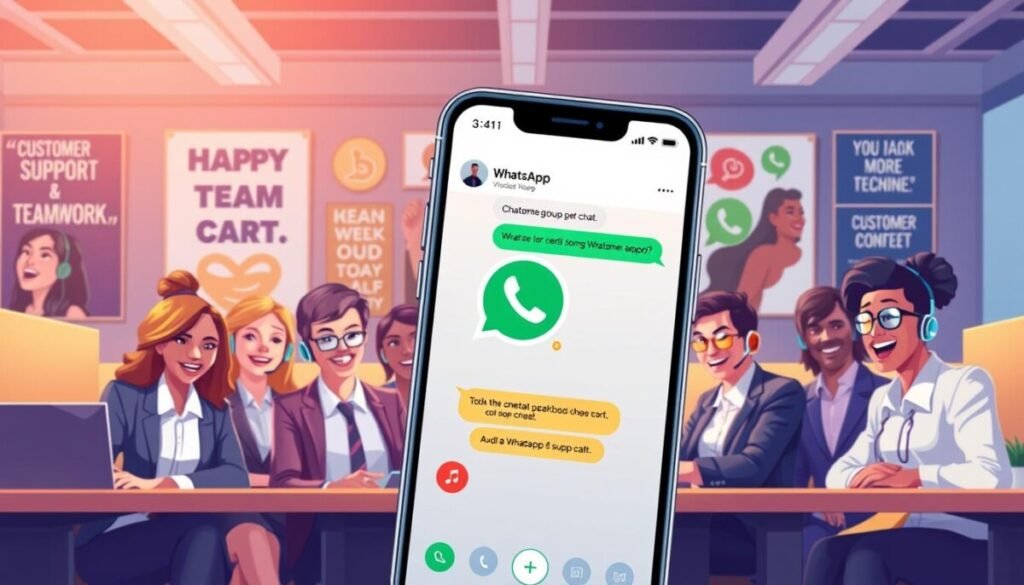
Turn real-time conversations into practical help for customers with a well-run group chat.
Two-way interaction lets customers ask questions and get fast answers. Use a whatsapp group to share quick updates, resolve common issues, and gather feedback directly from people who use your product.
Active monitoring is critical. Assign team members to watch the chat and reply promptly so every message gets a clear, professional response.
- Build trust: open communication shows you listen.
- Share updates: post useful tips and fix notices in one place.
- Collect feedback: use replies to improve service and product choices.
| Use case | Benefit | Team action |
|---|---|---|
| Product questions | Faster resolution | Assign a responder and log answers |
| System updates | Clear, timely notices | Schedule posts and pin key updates |
| Feedback sessions | Actionable insights | Collect threads and pass to product team |
Avoiding Common Pitfalls in Business Messaging
Avoid simple errors that hurt trust and lower engagement. Small missteps can turn helpful updates into spam. Protect your brand by planning how you add and message customers.
Always get explicit consent before adding a customer to a group or a list. Unsolicited additions can damage privacy and prompt complaints. Respect contact preferences and document opt-ins.
Limit how often you send messages. Too many broadcasts or promotions lead to blocks and reports. Keep content timely, useful, and clearly labeled for marketing or service updates.
- Keep each list clean; remove inactive contacts regularly.
- Set clear rules for any group to stop off-topic chatter.
- Choose the right feature: use a list for one-way updates and a group for discussion.
| Pitfall | Impact | Fix |
|---|---|---|
| Adding contacts without consent | Privacy complaints, lost trust | Require opt-in and record timestamps |
| Too-frequent messages | Higher block rates | Set cadence and measure engagement |
| Poor moderation | Off-topic noise | Assign moderators and post rules |
| Wrong channel choice | Poor customer experience | Match one-way vs two-way needs |
Follow these steps and you will keep privacy intact, lower complaints, and make your messaging work for customers and business alike.
Conclusion
Pick the path that matches your goal—announce or engage.
Choose a one-way option when you need private announcements and clear, timely updates. Use a community chat when you want back-and-forth, collaboration, and feedback from members.
As your business grows, adopt the WhatsApp Business API to scale messaging while keeping compliance and personalization. Always get consent and protect recipient numbers to build trust.
Match the feature to the task, keep messages useful, and measure results. Doing this will improve customer satisfaction, boost marketing impact, and make your communication work harder for your business.