
60% of professionals report lost productivity due to overlapping meetings. This section opens with that scale—then delivers a strict, procedural approach.
Access the primary web portal. Open the main tab that lists upcoming events. Verify calendar dates and settings—synchronize with the desktop app.
Select the scheduler icon in the top corner of the window. View the information note that explains schedule availability. Enter the event name and the participant email addresses. Confirm the date and schedule meeting details in the host view.
Follow this methodical sequence to ensure every meeting is configured correctly. Each action reduces conflicts and enforces consistent schedules across web and desktop interfaces.
Key Takeaways
- Use the primary tab in the web portal to manage meeting lists.
- Synchronize calendar dates with the desktop app before scheduling.
- Select the scheduler icon to view the information note and availability.
- Input event name and participant email addresses for each meeting.
- Confirm settings in the host view to avoid overlapping schedules.
Understanding the Zoom Scheduler Interface
Inspect the primary web dashboard to locate the interface controls. Use the centralized tab to manage every meeting and event record.
Identify the icon positioned in the corner of the portal window. Click the icon to open the scheduler window and reveal meeting fields.
Verify that the web portal fully loads before interacting. Loading ensures each information note and calendar entry synchronizes with the desktop app.
- The web portal tab centralizes meeting controls across Chrome, Firefox, Edge, and Safari.
- The corner icon opens the scheduler window and surfaces critical notes about availability.
- Confirm that each information note displays—this preserves sync and prevents data drift with the desktop client.
- For mobile access, use current iOS or Android browsers to view the same portal elements.
Consult related guidance on online meeting tools for broader platform comparisons and best practices.
System Requirements for Optimal Performance
Verify browser and device versions before initiating any meeting to guarantee reliable performance.
Supported Desktop Browsers
Requirements: Chrome and Microsoft Edge Chromium — latest version or two previous releases. Firefox — latest version or two previous releases; exclude iOS builds. Safari — 12.0 or higher.
Rationale: These builds ensure the zoom desktop application interfaces load correctly and that each meeting tab and information icon remains responsive.
Mobile Device Compatibility
Mobile devices must run the latest iOS Safari or Chrome, or Android Firefox or Chrome.
Keep mobile browsers updated to manage meeting notes and to preserve stable access.
- Maintain two prior releases for desktop browsers to reduce failure rates.
- Ensure users update mobile browsers before critical sessions.
- Validate that the scheduler tab and information icon render on each platform.
| Platform | Minimum Browser | Purpose |
|---|---|---|
| Windows / macOS | Chrome, Edge Chromium — latest or two previous | Supports zoom desktop app; keeps meeting tab stable |
| Firefox (desktop) | Latest or two previous (not iOS) | Maintains access zoom features for scheduled meeting |
| Safari | 12.0+ | Ensures correct display of scheduler tab and information note |
| iOS / Android | Latest Safari/Chrome or Firefox/Chrome | Enables mobile meeting management and icon visibility |
For platform comparisons and broader strategy on online tools consult online meeting tools.
How to Implement Zoom Scheduler Block Time
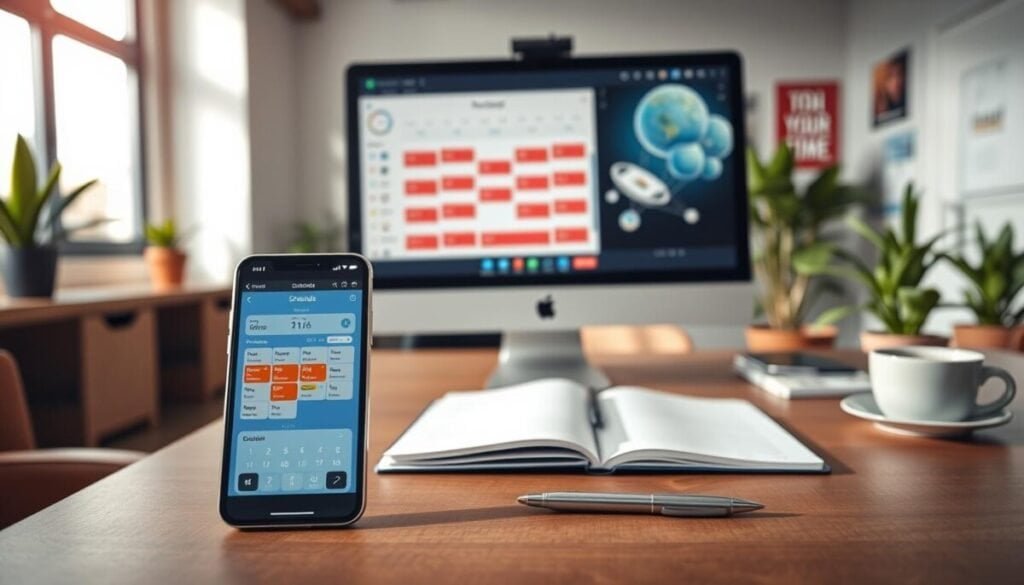
Open the calendar tab in the web portal to prepare defined availability slots.
Follow a measured sequence: select the tab that displays the calendar. Identify free slots. Select time slots to reserve for meetings.
Steps to Add Time Blocks
- In the calendar tab, click the icon that opens the scheduler window.
- Type the event name and enter attendee email addresses in the form fields.
- Use the bottom menu and click add to define the date time for the event.
- Review options for availability and host settings; validate the date and times in the view.
- Click save to receive confirmation that schedules update for all attendees.
Use the zoom desktop client to verify notifications. Confirm that each email reflects accurate date time data. Monitor the calendar tab for conflicts and adjust availability as needed.
Configuring Your Availability and Calendar Settings
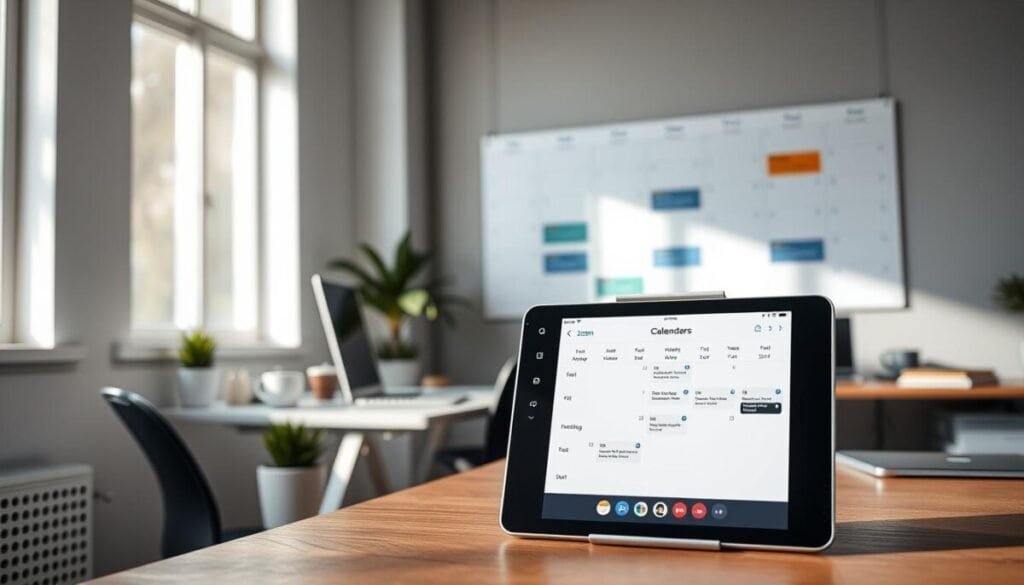
Confirm the calendar zone to prevent cross-region scheduling errors. Set the correct zone in the calendar settings tab before any edits. This ensures every meeting displays the proper date and date time for attendees.
Setting Your Time Zone
Open the settings tab in the web portal. Select the account time zone. Save the change to align all events across the portal and desktop client.
Defining Working Hours
Define working hours in the availability section. Specify daily ranges so the scheduler only offers valid meeting slots to hosts and attendees.
Procedure:
- Open calendar settings — select zone.
- Set working hours — define start and end times per day.
- Click save in the settings window to synchronize with the zoom desktop application and web portal.
Syncing External Calendars
Enable calendar sync to import events from external services. Use the click add option in the bottom menu to connect accounts and map event names and emails.
Verify imported events for conflicts in the availability tab. Adjust rules for overlapping meetings and confirm that host notifications reach attendees.
| Action | Location | Expected Result |
|---|---|---|
| Select time zone | Settings tab | All events show correct date and date time |
| Define working hours | Availability tab | Scheduler offers valid meeting slots only |
| Sync external calendar | Bottom menu — click add | Event names and email attendee lists import |
| Save settings | Settings window | Web portal and desktop stay synchronized |
For guidance on integrating office hours with external calendars consult the Google Calendar office hours guide or learn advanced scheduling workflows for streaming and events.
Set office hours in Google Calendar · Schedule streaming and events
Managing Meeting Events and Attendee Information
Confirm attendee lists and verify every participant email before sending the calendar invite.
Validate each attendee’s name and email. Mark hosts and assign permissions in the meeting record.
Open the scheduler tab to view every event entry. Check the date and date time fields. Ensure the icon and information note display expected values.
Use the click add action in the window to include extra attendees. Update the meeting information note for changes to agenda or roles.
Finalize edits by click save. Confirm that each attendee receives a calendar invite and accurate scheduled times.
- Verify email addresses to prevent delivery failure.
- Use the tab view to spot conflicts across calendar entries.
- Include hosts and cohosts to distribute management responsibilities.
| Action | Location | Result |
|---|---|---|
| Verify emails | Attendee list | Reliable delivery of calendar invite |
| Check date fields | Scheduler tab | Correct date time for all meetings |
| Add attendees | Window — click add | Updated attendee roster and information note |
| Save changes | Meeting options | Notified attendees; synchronized calendar |
For guidance on planning workflows and tools consult online planning tools.
Troubleshooting Common Access Issues
Authenticate the user identity—email and account name—prior to troubleshooting portal errors.
Resolving Portal Login Errors
Verify email and name. Confirm the host email and account name used to sign into the web portal. Mismatched credentials block access and prevent any meeting edits.
- Reset via settings—initiate a password reset from the zoom web portal settings if the host cannot sign in.
- Clear browser cache—remove stored data and reload the web interface when pages fail to render.
- Validate permissions—confirm the account name has host or admin rights so users can manage meeting entries.
- Confirm account mapping—ensure the email maps to the correct organization profile to restore access zoom functionality.
Diagnose systematically. Execute each step in sequence. Re-test sign-in after each change. Document results in account options for audit and repeatability.
| Issue | Immediate Fix | Expected Result |
|---|---|---|
| Invalid credentials | Verify email and name; reset password in settings | User regains web portal access; can edit meeting records |
| Web interface fails to load | Clear browser cache and cookies; restart browser | Portal pages render; controls and options become responsive |
| Insufficient permissions | Confirm account role; assign host/admin rights | Users can manage meeting invites and settings |
Mastering Your Schedule for Better Productivity
Centralize schedule control by enforcing a consistent calendar workflow across desktop and web clients.
Require hosts to use the zoom desktop client to create each event. Use the bottom menu and click add to type the event name and populate attendee fields. Save edits and verify the calendar invite confirmation.
Open the scheduler tab to view availability and validate the icon and information note in the scheduler window. Confirm date time fields and adjust options when conflicts appear.
Standardize this routine. Consistent use reduces meeting overlap, preserves schedules, and improves productivity for hosts and attendees across the portal and web platforms.