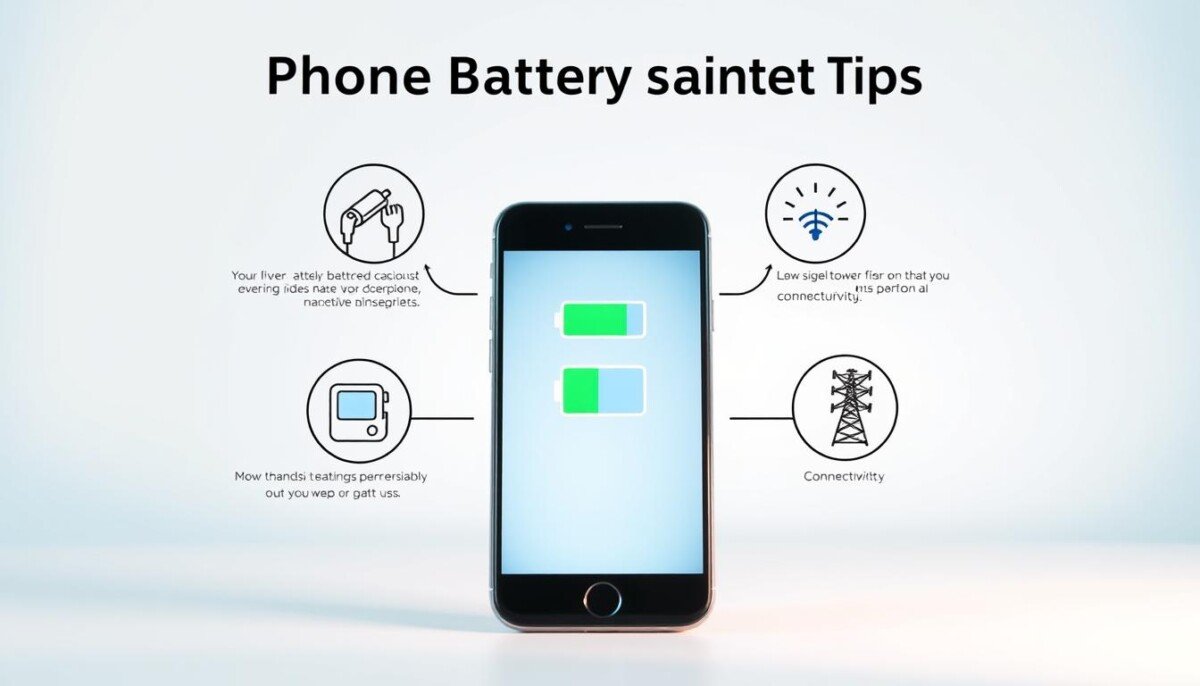
Can a small change in how you plug in your phone add months to its usable life? This guide looks at the popular tip known as the 80 percent charging rule and what it means for lithium batteries.
You use your phone every day, and the battery wears out over time. Simple charging habits can slow that wear and keep your device reliable.
Many users top up to a full charge 100 each night without knowing that pushing batteries to their max adds stress. We will explain the science behind limiting a full charge and offer clear steps you can try.
Along the way, we also show how to reduce heat and avoid practices that speed degradation. For practical fixes on heat and overheating risks while you charge, see this guide on minimizing device heat during use: preventing smartphone overheating.
Key Takeaways
- Limiting top-ups can reduce chemical stress on lithium cells.
- Small changes in daily charging habits help extend battery life.
- Avoiding constant full charges 100 may slow long-term wear.
- Heat control is as important as how long you charge.
- Practical steps can balance immediate need and long-term care.
Understanding the 80 Percent Charging Rule
Modern lithium batteries age faster when kept at maximum voltage for long periods. Limiting daily charge to a set cap reduces voltage stress and slows chemical wear. This simple way of battery charging lowers the heat produced in the final phase of a top-up.
Many phones now offer a built-in limit you can enable. That feature keeps the battery from reaching full and helps preserve capacity over years of use.
You get a clear trade-off: a small daily limit means longer battery lifespan and fewer replacements for your device. Over time, this approach preserves the battery’s health and keeps phones reliable for business and personal use.
- Less voltage stress: protects the lithium chemistry inside batteries.
- Lower heat: final-phase temperature drops when you stop short of full charge.
- Built-in limits: many smartphones include tools to maintain battery lifespan.
The Science of Battery Stress and Degradation

Stress inside lithium cells rises sharply as voltage climbs toward full capacity. High-voltage charge puts chemical pressure on the cell structure. Over time that pressure reduces usable battery capacity and leads to faster degradation.
Chemical Stress Factors
When you charge to the top, the lithium inside each cell becomes more reactive. That reaction speeds wear and cuts the total number of effective cycles.
Battery University notes the final part of a charge causes most damage. Avoiding constant full charge helps preserve battery health and energy storage.
The Impact of Heat
Heat makes chemical stress worse. Cells held near peak voltage get hotter and degrade faster.
Use a quality charger and avoid leaving a device in warm places. This reduces thermal stress and extends the battery life by months or years.
- High voltage increases chemical strain on cells.
- Final charge range causes the most rapid degradation.
- Good chargers limit heat and protect long-term health.
Managing Smartphone Battery Health

Small software tweaks can keep your battery healthier for years. Modern phones include tools that learn your daily routine and pace the final charge to avoid long sits at full power.
Software Limits and Adaptive Charging
Enable built-in limits to stop your device from topping out during the night. This reduces voltage stress and keeps cells cooler over time.
Many high-end phones are rated for 1,000 or even 2,000 cycles. That means the battery lifespan can improve a lot when you use a software limit.
- Adaptive charging: learns when you normally unplug and finishes the battery charge just before that time.
- Avoid replacement cost: a premature battery swap can cost about $80 with some makers.
- Manage heat: software can reduce final charge heat, protecting internal cells and capacity.
Turn on these features to balance daily use and long-term battery life. This is the easiest way to apply the 80 percent idea without constant monitoring.
Optimizing Laptop Power Settings

Manage power settings to protect the battery and keep your laptop reliable. Small changes to how a laptop charges reduce voltage stress and heat. That helps batteries retain capacity and extend usable life by years.
Windows Power Management
Use vendor tools to set a hard limit on battery charge. Dell Power Manager, Lenovo Vantage, and HP Support Assistant all let you cap the battery so it does not sit at full battery charge for long.
macOS Battery Optimization
macOS includes built-in battery optimization that paces the charge based on your schedule. For tighter control, AlDente lets Apple users set precise charge limits and protect cell health.
Using Third-Party Tools
Third-party apps fill gaps when a laptop lacks a native option. They prevent the device from staying at 100 and cut long-term voltage stress and heat.
| Platform | Tool | Main Benefit |
|---|---|---|
| Windows | Dell Power Manager / Lenovo Vantage / HP Support Assistant | Set hard battery limits; reduce wear from full cycles |
| macOS | Built-in Optimization / AlDente | Adaptive finish; precise charge caps |
| Cross-platform | Third-party apps | Add limits where none exist; protect cell health |
- Tip: Avoid keeping a laptop at full charge for days. This cuts unnecessary voltage stress and heat.
- Proper power management is a simple way to keep devices reliable for business use.
Best Practices for Electric Vehicle Charging
The way you top up an EV each day has an outsized effect on long-term battery health.
Prioritize a daily limit that stops the pack before full. Avoid the final sprint to a full charge because that phase raises voltage and heat, which speed chemical degradation.
Research from NREL shows fast fills to 100% can cut battery lifespan dramatically. For many owners, avoiding a full top-up reduces natural aging by roughly 30 percent and keeps battery capacity higher over time.
Use a standard home charger for routine commutes. Ultra-fast DC chargers make batteries hotter and increase stress, so save them for long trips.
Set a software limit in your vehicle to cap charge. This simple step preserves cycles and protects the battery — a critical move given replacement costs between $15,000 and $20,000.
- Daily use: cap the charge and avoid long sits at high voltage.
- Fast charging: reserve only for trips to limit heat and wear.
- Software limits: program the vehicle to finish top-ups just before use.
| Practice | Why it helps | Expected outcome |
|---|---|---|
| Limit daily charge | Reduces high-voltage stress and heat | Slower degradation; higher battery capacity |
| Use standard AC charger | Lower thermal load than DC fast charging | More cycles retained; better lifespan |
| Enable vehicle charge limit | Automatic protection against full top-ups | Consistent health; preserved resale value |
For practical guidance on whether to top to full, read should I charge my EV to 100 It gives clear steps to balance range needs with long-term care.
Essential Habits for Long-Term Battery Longevity
Routine habits have an outsized impact on battery lifespan. Small, daily choices add up and protect the cells inside your device.
Avoiding Deep Discharges
Plug in before the phone drops too low. Aim to top up when the battery hits about 20 on the meter. This prevents deep discharges that strain cells and cut cycles.
Keep storage temperatures between -20°C and 45°C (-4°F to 113°F). Storing devices in a moderate range preserves capacity and limits heat stress over years.
Use only certified chargers so your device gets stable energy. Cheap chargers can raise heat and damage the battery faster.
- Keep the battery between 30 and 80 for the most stable state for internal cells.
- Avoid long sits at full charge to reduce voltage stress and extend battery life.
- Follow these habits to cut premature replacements and improve your daily experience with phones and smartphones.
| Habit | Why it helps | Expected outcome |
|---|---|---|
| Top up at 20–30 | Prevents deep discharge | More cycles; better battery lifespan |
| Use certified chargers | Stable energy, less heat | Lower stress on cells |
| Store in moderate temps | Protects chemistry | Capacity retained for years |
Conclusion
Smart daily limits on top-ups protect the battery inside your device. Make the 80 percent idea a simple habit to lower chemical stress and heat.
By managing how and when you charge, you slow wear and extend battery life. Save time and money by avoiding full top-ups every night, and use a software limit when available.
Reserve a full charge for long trips and keep routine top-ups modest. Start today with one small change and your tech will stay reliable longer.