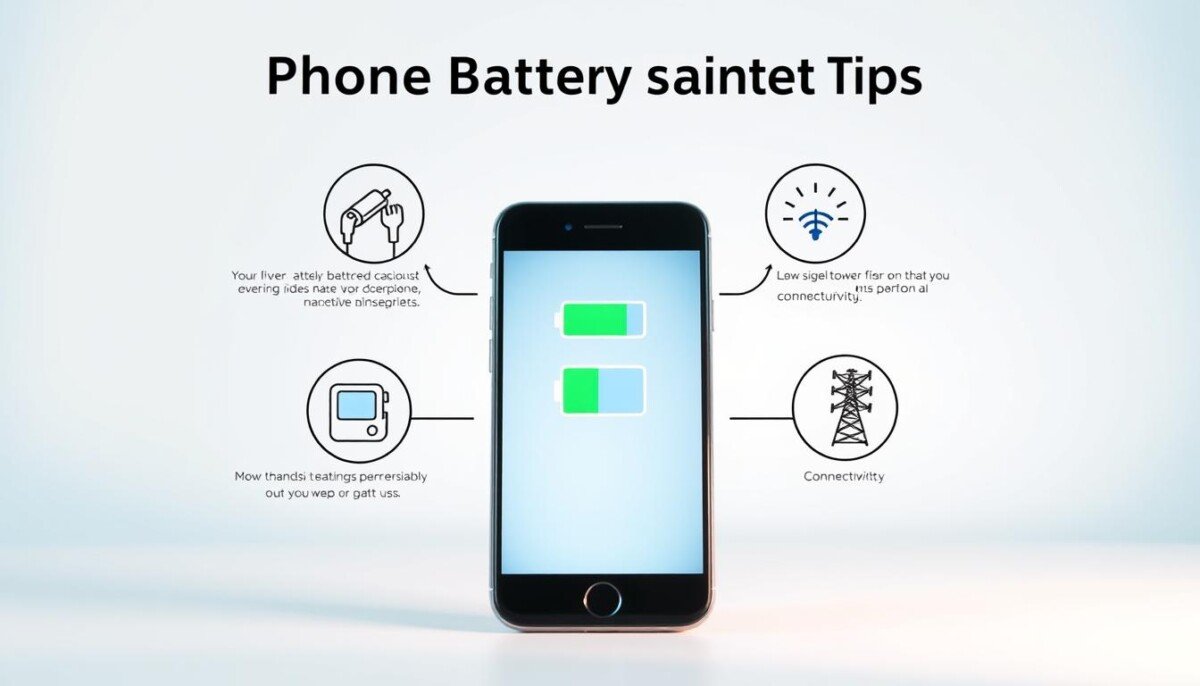
Can a few simple habits really keep your Zenfone 12 Ultra running strong for years?
The Zenfone 12 Ultra packs a robust 5500mAh cell built for full workdays. You can protect that power by changing small settings and charging behavior that many professionals overlook.
High heat is the biggest enemy of long-term health, so cooling your device and avoiding hot environments makes a big difference. Adjusting screen brightness and managing background apps also cuts waste and keeps performance steady during busy hours.
This guide gives clear, practical steps to manage charge cycles, optimize settings, and reduce unnecessary drain. Use these methods to keep your device reliable and avoid mid-day interruptions.
Key Takeaways
- Keep your device cool to slow wear and protect capacity.
- Lower screen brightness and limit background apps to save power.
- Prefer moderate charge ranges and avoid constant full charges.
- Choose wired charging or lower-watt chargers to reduce heat.
- Use built-in power modes and review settings daily for better performance.
- For overheating fixes and deeper guidance, see this troubleshooting resource: smartphone overheating causes and fixes.
Understanding Your Current Battery Health
Start by checking how your device uses power across the day to find quick wins. Open Settings and go to Battery > Battery usage to see which apps are most active.
Monitoring Usage Trends
Look for apps that run in the background and spike charge during work hours. Dark mode can cut screen draw on AMOLED panels, so enable it where possible.
Remember that lithium-ion batteries will degrade with time. Regular checks of battery capacity help you match charging habits to real device health.
- Identify high-usage apps and restrict background activity.
- Note heat spikes when gaming or using camera-heavy apps.
- Track daily charge cycles to reduce unnecessary full charges.
| Where to Check | What to Look For | Action |
|---|---|---|
| Settings > Battery | Top power-consuming apps | Limit background use or uninstall |
| Battery health section | Reported capacity (%) | Adjust charging habits if below 80% |
| Usage by time | Unusual spikes during the day | Investigate apps or update settings |
Essential Phone Battery Lifespan Tips for Daily Use

A few steady habits can protect capacity and keep performance high over time.
Keep charge cycles moderate by avoiding constant full charges. Aim to recharge when the level drops near 30% and unplug before it reaches 100% to reduce stress on internal cells.
Manage screen brightness and close apps that run in the background. Lowering the screen and limiting background activity preserves power and reduces heat during busy work hours.
- Check battery health regularly in Settings to track capacity and adjust behavior.
- Favor partial charges over repeated full cycles to protect long-term capacity.
- Charge mindfully — avoid frequent top-ups that create many shallow cycles.
These habits help busy professionals trust their device through the day. Adopt them and you keep steady power, avoid surprises, and protect overall device health.
Optimizing Software and Background Processes

Software choices and background activity often drive most unseen power drain on modern devices.
Managing Background Apps
Restrict apps that do not need to run constantly. Go to Settings > Apps & notifications > All apps and toggle off background usage for non-essential apps.
Even in dark mode, hidden processes can keep the system active and raise heat. Limiting those processes preserves capacity and improves performance over time.
Keeping System Software Updated
Install updates from Settings > System > System update to get power-saving patches and bug fixes. Manufacturers like ASUS often include optimizations that improve battery health and battery usage reporting.
- Restrict background activity in the settings battery menu to cut wasted charge.
- Check for system updates regularly to benefit from improved power management.
- Reducing background apps lowers heat, which protects overall capacity.
| Where to Go | What to Change | Benefit |
|---|---|---|
| Settings > Apps | Disable background access | Less unseen power drain |
| Settings > System > Update | Install latest firmware | Better power and performance |
| Settings > Battery | Review battery usage | Spot high-drain apps |
Managing Display Settings for Power Efficiency

Tuning display controls yields big savings in daily power use.
Enable Adaptive brightness in Settings > Display so the screen adjusts to ambient light. This keeps brightness low when you are in dim rooms and raises it outdoors only when needed.
Switch the system color scheme to Dark Theme at Settings > Display > System color scheme. On AMOLED panels, dark mode reduces draw by keeping pixels off and saves power during heavy use.
- Lower screen brightness to cut visible power consumption and extend battery life during long workdays.
- Use Adaptive brightness to match light conditions automatically and avoid manual adjustments.
- Prefer Dark Theme where possible to reduce display demand on AMOLED devices.
| Where to change | Setting | Benefit |
|---|---|---|
| Settings > Display | Adaptive brightness | Automatic brightness control saves power over time |
| Settings > Display | Dark Theme | Lower screen draw on AMOLED panels |
| Quick settings | Manual brightness slider | Fast control for meetings or travel to preserve charge |
Managing these display options is a simple, effective way to protect overall health and keep your device ready through long meetings and travel.
The Impact of Temperature on Device Longevity
Keeping your device cool is one of the simplest ways to protect internal chemistry and preserve capacity.
Avoiding Extreme Heat
Heat is the primary enemy of your battery. Exposing a device above 40°C significantly speeds capacity loss.
Battery University research shows keeping cells between 25°C and 40°C (77°F–86°F) helps retain roughly 85%–96% of capacity.
If you notice excess warmth while charging, remove any case. Cases can trap heat and worsen permanent damage.
Charging in Cool Environments
Charge in shaded, cool spots and avoid warm surfaces like a car dashboard. High heat plus a full charge is the worst combination for battery health.
- Prefer a cool room when charging to protect long-term performance.
- Keep devices out of direct sun and away from heaters during use and charge.
- Professionals should pick charging locations that maintain stable, low temperatures to extend device life.
| Risk | Why it matters | Quick action |
|---|---|---|
| High heat | Speeds chemical breakdown | Move to cool shade |
| Charging hot | Increases wear when full | Unplug or cool case |
| Warm surfaces | Traps heat | Place on hard cool surface |
Adopting Healthy Charging Habits
Smart charging habits keep your device cool and protect its internal chemistry.
Avoiding Full Charge Cycles
Keeping the state of charge between roughly 30% and 80% reduces stress on lithium-ion batteries. Lower cell voltage slows wear: Battery University notes that each 0.1V drop can substantially extend cycle life.
Utilizing Bypass Charging
Use the Zenfone 12 Ultra’s Bypass charging mode when you need heavy use while plugged in. This routes power from the wall to the system and avoids unnecessary mini-cycles that degrade capacity.
Managing Overnight Charging
Avoid leaving the device at full state overnight. Continuous trickle charging at 100% raises heat and can cause metallic lithium plating over years.
- Prefer official chargers to ensure steady power and lower heat during charge.
- Charge in cool spots and remove thick cases while charging to reduce thermal build-up.
- Use bypass mode for long sessions when you must keep the screen and apps active.
| Practice | Why it helps | Action |
|---|---|---|
| 30%–80% charge window | Lower average voltage slows chemical wear | Set reminders to top up in this range |
| Bypass charging mode | Avoids mini-cycles while plugged in | Enable mode during long plugged-in use |
| Avoid overnight charging | Prevents prolonged high-voltage hold and heat | Unplug before sleep or use scheduled charging |
Physical Maintenance and Hardware Considerations
A quick physical inspection can reveal issues that software checks miss.
Keep ports and connectors clean to ensure a stable charging connection. Dust or lint can cause inefficient power delivery and slow charging rates.
Inspect your device for swelling or case deformation. Swelling indicates a serious hardware fault and needs professional service right away.
Remove your protective case during charging when possible. This helps heat escape and protects overall battery health.
Store the device in a cool, dry place when not in use. Long storage at extreme temperatures can harm chemistry and shorten useful life.
- Charge to about 50% before long storage to avoid deep discharge.
- Watch for on-screen charging pauses on some systems (iOS 16+ notifies if charging paused for extreme temps).
- Use built-in charging controls and vendor advice to reduce wear.
| Check | Why it matters | Action |
|---|---|---|
| Port cleanliness | Ensures steady power delivery | Blow out or use a soft brush |
| Case removal | Reduces heat while charging | Take case off during long charges |
| Storage charge | Prevents deep discharge | Store near 50% charge |
For a quick guide on routine care, see this short resource on smartphone maintenance. These physical habits support internal systems and extend your device’s useful life.
Conclusion
Small, consistent habits around charging and display settings deliver big returns for long-term performance. Use simple steps each day to reduce heat, trim background app usage, and manage charge cycles.
Focus on steady gains: lower brightness, enable dark mode, limit background apps, and favor moderate charging ranges. These moves protect battery health and preserve capacity without extra effort.
Monitor usage and install updates to keep your device in top condition. Apply these professional recommendations and your phone will stay reliable for work and travel.
Thank you for trusting our guidance to help you get the most from your technology.