Curious whether leaving background app refresh on is helping your phone—or quietly draining it? Many iPhone users, including someone with an iPhone 13 Pro Max, wonder what that switch really does.
Your phone lets apps fetch updates and content when you aren’t using them. That can keep feeds fresh and deliver timely notifications.
But, that constant activity can also use power and data. If you have a limited data plan or want to conserve battery life, selectively disabling this feature can boost performance and extend run time.
You can often stop nonessential apps from running in the back without losing alerts. To learn how background processes affect heat and device performance, check a short guide on preventing overheating and managing resource use at smartphone overheating fixes.
Key Takeaways
- Turning off refresh for nonessential apps can conserve battery and data.
- You usually keep important notifications even with the feature disabled.
- Selective disabling improves device performance and reduces heat.
- Manual refresh may be needed to load the latest content on some apps.
- Review settings to match use, plan, and performance goals.
Understanding How Background App Refresh Works
Your phone quietly pulls new content for many tools even when you are not using them. This keeps feeds current and makes apps feel instant.
What the Feature Actually Does
The background app refresh lets apps fetch updates and new content so you see fresh posts, email, and media right away. Services like Apple News, Dropbox, and social media platforms use this to preload items.
Verizon experts note that smartphones handle a lot of data each day, from texts and photos to video. That steady syncing can add to power draw and mobile data use.
Common Misconceptions About Notifications
Push alerts for email and messaging work even without this enabled. Many people think notifications stop when they turn off the setting, but push messages come through separately.
You can manage settings so only specific apps use background data. This cuts unnecessary data usage and keeps your phone responsive for the tools you need.
| Action | What It Does | When to Allow |
|---|---|---|
| Enable for News | Preloads headlines and media | When you need instant updates |
| Disable for Social | Stops feed syncing in idle state | When you want to save data and power |
| Allow for Email | Keeps messages ready to read | When timely alerts matter |
The Impact of Background App Refresh Battery Consumption

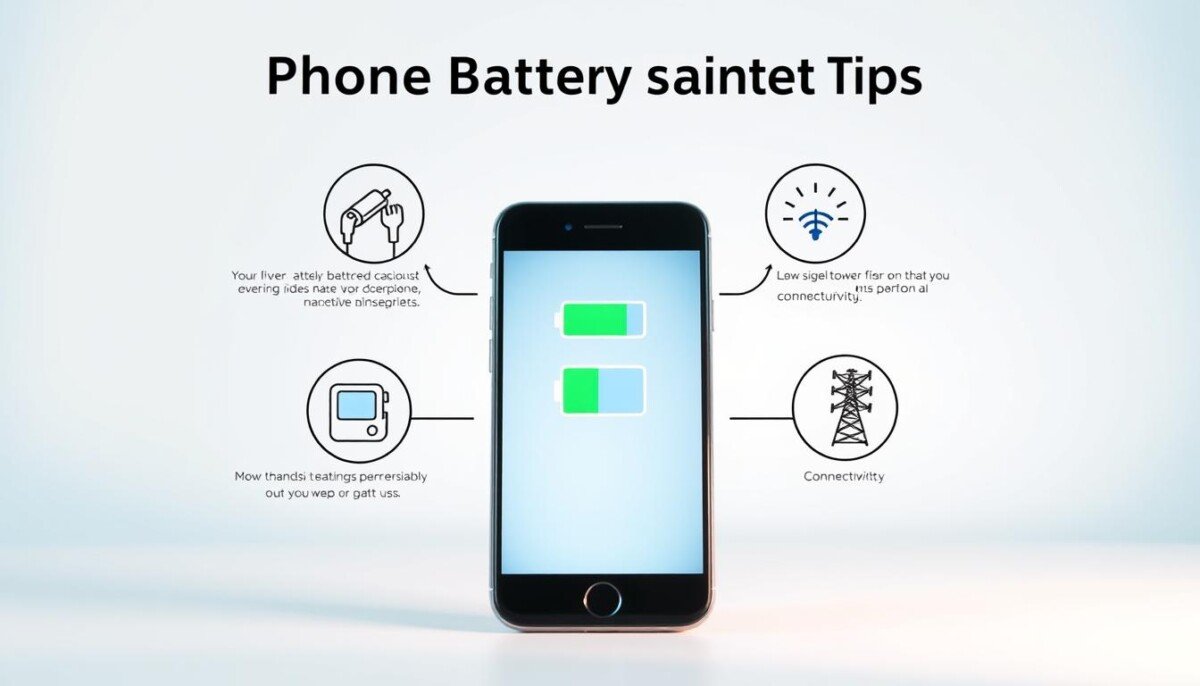
Hidden syncing from common apps can push your phone’s power use higher than you expect.
Facebook, Instagram, Snapchat, Google Maps, and TikTok top the list of apps that often cause a fast drain battery. These services keep syncing feeds, media, and location data even when you are not using them.
Location trackers like Google Maps are especially costly because they keep GPS active. That constant GPS use raises power draw and shortens battery life.
Check your phone’s usage stats to see which apps use the most power. Look for apps with high background data and activity.
- Constant data syncing and social media feeds keep the processor working and use more power.
- Push notifications and frequent email updates require constant server communication.
- Reduce unneeded content refresh to improve device performance and extend life.
| Type of App | Why it drains power | Quick tip |
|---|---|---|
| Social media | Frequent media and feed updates | Limit background access |
| Navigation | Continuous GPS tracking | Allow location only when in use |
| Email & sync | Constant data polling | Use manual fetch or reduce frequency |
How to Manage Your Background App Settings

Fine-tune which programs fetch updates so only the essentials sync automatically. This saves data and helps conserve battery life without killing important alerts.
Customizing Settings for Specific Apps
Start by scanning your apps to see which ones really need constant updates. Allow news and email to refresh if you need instant updates.
Turn off or limit access for social media and streaming services to cut data usage and improve performance. Small choices add up fast.
Disabling Background Activity on iPhone
On iPhone, go to Settings > General > Background App Refresh and toggle the master switch or adjust by app.
If you want step-by-step tips or community feedback, check this discussion for practical guidance: iPhone refresh settings thread.
Managing Data Usage on Android Devices
On Android phones, open Settings > Apps & notifications to pick apps and restrict mobile data or background activity.
For Samsung Galaxy models, use Settings > Connections > Data usage and set limits for specific apps to protect your plan.
| Action | What it does | When to use |
|---|---|---|
| Allow for Email | Keeps messages ready to read | When timely notifications matter |
| Disable for Social | Stops feed syncing when idle | To conserve mobile data and extend life |
| Limit for Streaming | Prevents media preloading | When you want better performance |
Conclusion: Finding the Right Balance for Your Device
Choose which tools should keep working when your screen is off to match performance with need. Selective control keeps essentials ready while limiting unnecessary usage.
Review which apps must use background app refresh and which can pause. Turning off nonessential activity will extend battery life and reduce data use without losing key notifications.
On an iPhone, check detailed usage and app activity in Settings to spot the top power consumers. For more on tracking usage and health, see understand iPhone battery usage.
Take a few minutes to update your settings. Small changes keep your phone running smoothly and make the most of your device each day.