Is your account about to stop receiving emails or syncing backups without warning? That sudden halt can feel urgent, but you have clear options.
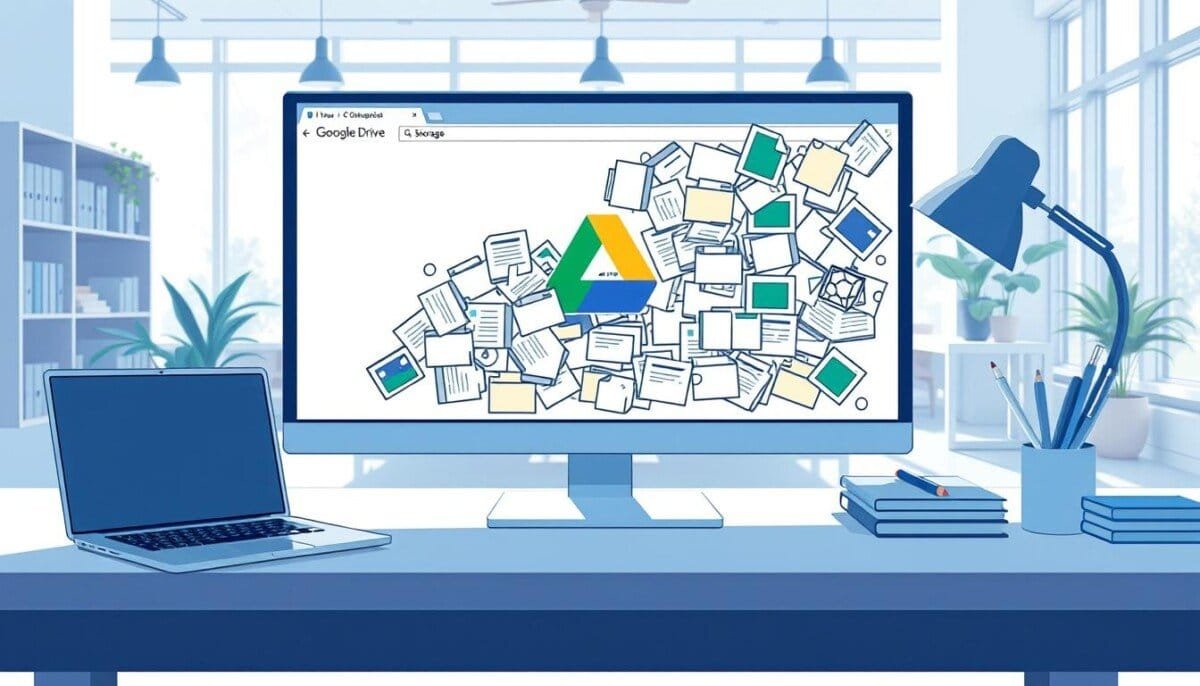
Every personal account gets 15 GB shared across drive, mail, and photos. When that space runs low, essential tasks can pause and you may miss important messages.
Start by checking which large files and old attachments take the most room. Review your plan on the Google One page and decide if an upgrade fits your needs.
We’ll walk you through simple steps to reclaim space, remove hidden data, and set rules so clutter stays away. For deeper syncing tips, see this troubleshooting guide: cloud sync troubleshooting.
Key Takeaways
- Personal accounts include 15 GB shared across services; watch that total.
- Identify large files and old email attachments to free space fast.
- Check your Google One plan if you need more room.
- Regular cleanup and selective syncing prevent future issues.
- Follow a few quick steps now to keep backups and email flowing.
Understanding Your Google Storage Quota
Learn which services count toward your shared quota so you can spot what consumes the most room.
Your account uses one pooled amount of space across mail, photos, and files. Large videos or old attachments can quickly eat into that total.
Check the settings page to see a breakdown of usage by service and file type. This view shows what takes space and helps you set cleanup priorities.
Important: if you stay over your storage quota for two years, your account may lose content across mail, drive, and photos. Monitor usage to avoid that risk.
- Shared quota means a large file in one app affects all services.
- Drive for desktop syncs files to the cloud, but local device space is separate.
- Shared files and big emails count toward the total and can cause surprise alerts.
| Service | What Counts Toward Quota | Tip to Reduce Usage |
|---|---|---|
| Attachments and messages | Delete large emails and empty Spam/Trash | |
| Drive | Uploaded files, shared docs, and backups | Remove duplicates and large unused files |
| Photos | Videos and original-quality images | Compress or archive old media |
Immediate Google Drive Storage Full Fix

A fast cleanup can stop a storage alert and get your account working again.
Start with trash and spam. Empty both folders and click the empty trash button to permanently remove items. Until you do, deleted files still count against your space.
Emptying Trash and Spam Folders
Open the trash in the web app and the mail trash. Select empty trash to finalize removal. Waiting helps: your account may need 48–72 hours to show the freed space.
Deleting Large Attachments and Emails
Search for large emails and remove messages with big attachments first. Also delete unnecessary photos, videos, or heavy files from the online folders.
- Empty trash and spam to finalize deletions.
- Allow 48–72 hours for the quota to update after mass deletes.
- Use search to find large attachments and clear them fast.
| Action | Why it helps | Tip |
|---|---|---|
| Empty Trash | Removes items that still count toward quota | Click the empty trash button in the app |
| Delete Large Emails | Quickly frees large chunks of space | Search by size or attachments |
| Remove Photos & Videos | Media often uses the most room | Archive or compress before deleting |
Advanced Techniques to Reclaim Cloud Space

Locate the largest files and copies so you can clear the most space quickly.
Search for big attachments in mail. Use the query has:attachment larger:10M to surface emails that hold large files. Delete the messages you no longer need, then empty the trash to finalize removal.
Sort and inspect files by size. Open your account settings and sort items to reveal the largest videos, archives, and heavy documents. This helps you prioritize what to delete or archive.
Spot duplicates and hidden items
Look for filenames ending in “(1)” or “Copy of” to find repeat files. Remove duplicates or merge content into one clean file to reclaim space.
- Use the storage tool if you have a Google One plan to find hidden or system data.
- Regularly review the drive trash and use the empty trash option to ensure space is freed.
- Consider archiving old photos and videos off-account before deleting.
| Technique | Why it helps | Quick step |
|---|---|---|
| Gmail search by size | Finds large attachments fast | Use has:attachment larger:10M, delete and empty trash |
| Sort files by size | Reveals top space consumers | Open settings, sort, and review top items |
| Remove duplicates | Eliminates repeat items that waste space | Search for “(1)” or “Copy of” and delete extras |
For deeper syncing tips and step-by-step cleanup tools, see the cloud sync troubleshooting guide.
Managing WhatsApp Backups and App Data
A few simple settings changes will cut backup size and keep more free space for files and photos.
Reduce backup size: On Android, open WhatsApp backup settings and turn off “Include videos” to lower the backup payload. Videos often make backups large, so this single step frees significant space.
Also review which chats are included and archive or export long threads you don’t need synchronized. Smaller backups mean less impact on your account quota and fewer sync delays.
Deleting existing backups
Go to your account settings and find app backups listed under backups. Select any old WhatsApp backup you no longer need and delete it.
Warning: deleting a backup is permanent and removes chat history if you reinstall the app.
Managing hidden app data
Open the backups and app data area in your settings and remove data from apps you no longer use. Hidden app data can quietly count towards your quota.
- Check backup dates—backups not updated in five months may be automatically deleted by the provider.
- Use the desktop sync client to inspect how local files interact with the cloud and avoid duplicate uploads.
- Review backup settings regularly to prevent a storage full issue and keep free space for essential files.
| Action | Why it helps | Quick step |
|---|---|---|
| Turn off video backups | Reduces backup size quickly | WhatsApp > Backups > uncheck videos |
| Remove old backups | Frees space permanently | Settings > Backups > delete outdated items |
| Clear hidden app data | Reveals unseen quota usage | Account settings > Manage app data > delete |
For a wider look at options to expand or move data, compare providers with this best cloud storage services.
Resolving Storage Discrepancies and Hidden Files

Hidden backups, cached data, and shared items often explain a surprising storage full alert.
Check shared ownership. Open the “Shared with me” area and confirm whether you own any items. If you do, those files count towards your account quota and can take space even when they don’t appear in your main folder.
Scan app backups and hidden files. Use the account settings search to find app data, temporary files, and old backups. These can sit unseen and add up fast.
Sync and cache checks. Compare what your drive desktop app shows with the cloud view. If trash appears empty but space hasn’t returned, clear the app cache in settings and confirm you tapped the delete button on large files and shared items.
- Use search queries to surface system files and large attachments.
- Confirm deletion by emptying the drive trash and app trash where relevant.
- Review backups and remove old ones you no longer need.
| Issue | Why it counts | Quick step |
|---|---|---|
| Shared files you own | They count toward your quota | Review “Shared with me” and remove ownership |
| Hidden app backups | Stored outside main folders | Account settings > Manage app data > delete |
| Cache or sync mismatch | Local cache may still use space | Clear cache in app settings and resync |
Systematically review these areas, then run a search for large files and attachments. If you want options to move older items off account, compare providers via this best cloud storage for personal use.
Expanding Your Storage Capacity
You can avoid interruptions by choosing to expand your plan or by moving large files off the account.
Upgrade to a Google One plan when you need predictable extra space. An expanded plan is the simplest route to hold more files, photos, and videos without altering workflows.
If you prefer not to buy more space, use a migration tool to move content to another cloud provider. Tools like MultCloud use 256-bit AES encryption to protect transfers and keep your files safe during migration.
Follow a few clear steps when you transfer data: review usage, pick the folders to move, run a test transfer, then migrate large files and photos videos in batches. This reduces risk and keeps backups intact.
Before you commit, double-check your current usage in settings. You may free enough room by removing old attachments and duplicates, making an upgrade unnecessary.
- Choose upgrade for simplicity and steady quota growth.
- Use encrypted migration for secure file transfers.
- Test transfers first, then move large files in batches.
- Review usage to avoid buying unneeded space.
- Confirm the migration tool’s security features before starting.
| Option | When to use it | Quick advantage |
|---|---|---|
| Google One upgrade | You need immediate, simple extra space | Instant quota increase and integrated billing |
| Migration via MultCloud | You prefer another provider or long-term move | Secure transfer with 256-bit AES and no manual downloads |
| Cleanup before buying | You have old attachments, duplicates, or large unused files | May free space without extra cost |
For step-by-step help when moving content or troubleshooting a stuck post, see this handy guide on Instagram posting issues: Instagram post stuck on posting.
Conclusion
Make clearing trash and pruning backups a simple monthly task to avoid interruptions.
Empty trash, check backups, and trim old files and photos regularly. These steps keep your account healthy and free up space so your cloud backup and mail keep working.
Follow the short steps in this guide and revisit settings when you notice low space. If you need a bigger plan, consider a paid option to add more storage and avoid a recurring storage full alert.
For help managing hidden backups and reclaiming room, use the official storage management page.