
75% of high-performers report that structured daily blocks doubled their output within four weeks.
Implement a rigorous notion time blocking system to map each hour to a defined objective. Use short, repeatable blocks for focused work. Convert a static to-do list into a live schedule—reduce cognitive load and accelerate task completion. In addition, create a personal dashboard in Notion to visualize your priorities and progress effectively. This personalized setup helps in tracking tasks and deadlines, ensuring you stay organized and aligned with your goals. By integrating reminders and links, your dashboard can serve as a central hub for all your projects.
Design the template to include recurring slots, buffers, and a weekly review. Reserve deep-work blocks for high-priority tasks and add quick drop-in windows for brief checks. Link the schedule to an office-hours model—publish shifts and adjust as demand changes via a linked calendar view such as this guide on scheduling office hours: schedule office hours.
Enforce block lengths and track utilization. Record outcomes with timestamps; review weekly and refine durations. For focus-session tactics and protected blocks, consult a practical workflow guide: schedule focus sessions.
Key Takeaways
- Implement recurring blocks to create predictable availability.
- Convert tasks into scheduled blocks—assign outcomes and durations.
- Reserve deep-work slots for top-priority work; include buffers.
- Use a weekly review to measure utilization and adjust blocks.
- Publish shifts and shared views to reduce planning friction.
- Record session notes with timestamps for asynchronous review.
The Productivity Benefits of Using a Notion Time Blocking Template
Structure daily hours into focused segments so each activity gets uninterrupted execution. The method reduces context switching and enforces visible accountability. Users assign clear outcomes to each slot and measure completion.
Reducing Multitasking and Cognitive Load
Assign one task per block. This forces single-task execution and prevents frequent switches. Reduced switching lowers cognitive load—measurable by fewer task interruptions.
Using a notion time blocking template makes task lists actionable. The system converts vague tasks into scheduled work items. The result: fewer open tabs and less mental overhead.
Structuring Your Day for Deep Work
Reserve long, uninterrupted blocks for high-value work. A repeatable routine trains the brain for sustained focus. Consistent use improves output and reduces overruns.
Integrate productivity tools to visualize progress and keep daily time accounted for. For a related systems comparison, consult the no-code database comparison.
| Benefit | Metric | Result |
|---|---|---|
| Reduced multitasking | Interruptions per day ↓ | Focus improved |
| Deep work windows | Hours of uninterrupted work | Higher output |
| Routine consistency | Days with planned schedule | Predictable delivery |
| Visual progress | Tasks completed vs planned | Better tracking |
Top Rated Templates for Daily and Weekly Planning

Select proven daily and weekly planners that convert lists into scheduled work blocks.
Easlo Academy provides a planner for daily tasks with a clean layout—designed for easy use and clutter-free management.
Thomas Frank offers a free project manager that combines an inbox and recurring tasks to plan week activity and track progress.
Hansel Systems delivers a calendar that shows schedules as calendar, table, or chart—ideal for users who need multiple views.
- Notionize — daily planner modeled on intentional planning for deep focus.
- Arteur — weekly blocks that reveal patterns across days and weeks.
- Ali Hesari — Pomodoro hybrid for 25-minute focus blocks and short breaks.
| Provider | Primary View | Best for |
|---|---|---|
| Easlo Academy | List/Dashboard | Easy use, clutter-free |
| Hansel Systems | Calendar/Table/Chart | Cross-view scheduling |
| Thomas Frank | Dashboard | Weekly planning & tracking |
Get templates from these vendors. For export workflows, use the guide to export schedule to Excel.
Strategies for Implementing Time Blocks into Your Workflow
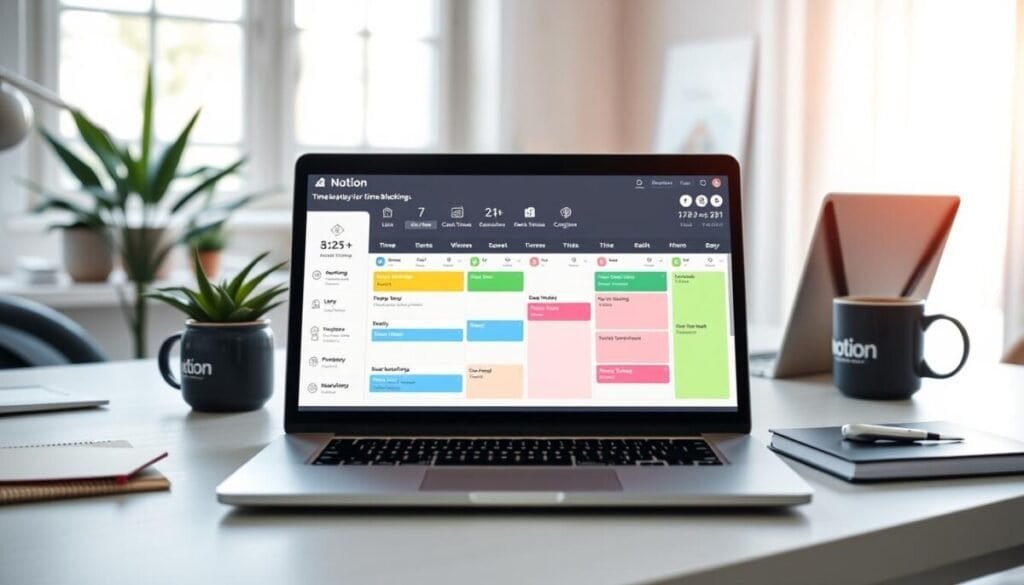
Create a dashboard that prioritizes deep work windows and exposes brief admin slots for low-effort tasks.
Customizing Your Dashboard for Better Focus
Set consistent block lengths. Use 30–60 minute slots for core work. Shorter slots for quick checks. Longer slots for deep focus.
Enforce a routine. Assign each task to a specific slot. Protect those slots during peak hours. Review and adjust weekly.
Enable drag-and-drop to move blocks when priorities shift. Use a weekly view to group related tasks and reduce context switching.
Integrate Pomodoro cycles into the system to sustain deep focus. Use built-in breaks to avoid burnout.
- Assign outcomes to every block.
- Use a dashboard widget to track progress.
- Plan week blocks for batch processing of similar tasks.
| Action | Recommended Length | Expected Benefit |
|---|---|---|
| Deep work block | 45–60 minutes | Higher output per session |
| Shallow task slot | 15–30 minutes | Quick context resets |
| Weekly review | 30 minutes | Adjust durations, track progress |
For a free starter set, get template access. For comparisons and tools for notes and planning, consult this note-taking and organization tools guide.
Selecting the Ideal System for Your Personal Productivity Needs
Pick a management system that converts to-dos into measurable work segments.
Evaluate systems for alignment with personal workflow and daily planning needs. Test a free option to confirm fit before full adoption.
Prioritize easy use—choose a solution that supports weekly tracking and visible progress metrics. Weekly reviews must be simple to run and interpret.
Use proven collections to jump-start setup; explore the top free templates for exportable workflows.
Combine the system with reliable analytics and tool selection practices—see SEO and optimization tools for an analogy on choosing tools that report clean metrics.
Outcome: a structured, flexible system that helps stay organized, reduces stress, and keeps daily planning consistent.