Has your device ever slowed to a crawl after a few minutes of gaming or streaming? That sudden dip in performance is often the processor protecting itself through CPU throttling. You want smooth performance, but the system will cut power to avoid damage.
Overheating can show as a warm case, rapid battery drain, or apps closing. Protect Your Bubble notes that this behavior signals throttling and warns that ignoring heat can lead to lasting damage.
Simple actions—close background processes, drop screen brightness, remove a tight case, and avoid direct sunlight—help cool the device fast. Keep software up to date and check battery health to prevent recurring issues. For a step-by-step guide to causes and fixes, see our detailed overheating resource at smartphone overheating causes and fixes.
Key Takeaways
- CPU throttling slows your device to protect internal parts.
- High brightness, gaming, and many apps raise temperature quickly.
- Remove the case and close background processes to cool things down.
- Keep software updated and avoid direct sunlight to prevent problems.
- Check battery health and seek repair if overheating persists.
Understanding CPU Throttling and Heat
A device will scale back clock speeds when its core temperature rises past safe limits. This action protects chips and keeps the system working rather than failing.
The Science of Thermal Throttling
Thermal throttling means the processor lowers its clock to stop generating heat too fast. A smartphone usually runs between 98.6 and 109.4°F during normal use, and the software kicks in if it exceeds about 109.4°F to prevent damage.
When you run heavy apps or intensive tasks, the processor draws more power and raises internal temperature. That causes reduced performance by design, not a defect.
Why Phones Lack Internal Fans
Unlike desktops, phones rely on passive cooling through the chassis. That makes them vulnerable to overheating in direct sunlight or high ambient temps.
- Prolonged sunlight can block heat dissipation.
- Limiting background apps and heavy software helps keep battery and components cooler.
- Think of your phone as a miniature computer that needs active management to avoid issues.
Why Your Phone Lagging When Hot Occurs
High internal temperatures often force a device to cut processing power to stay safe. This is the core cause of a slow device during intense use and gaming.
Running high-resolution video, streaming, or heavy content makes the processor work hard. That raises temperature quickly and pushes the system into thermal limits.
Background apps and poor cellular signal add hidden power draw. That extra work makes the device getting warmer even when you are not actively using it.
Charging while gaming combines heat sources and often causes major throttling. A quick phone temperature check helps confirm if the processor and battery are at risk.
- High CPU load from gaming or recording speeds up heat buildup.
- Background processes and weak signal increase power and temperature.
- Overloaded processor can dim the screen or make touch input unresponsive to protect battery health.
Tip: Identify which tasks cause the issue, then reduce those activities to keep performance steady.
Immediate Steps to Cool Down Your Device
Act fast: simple actions can drop internal temperature in minutes and restore normal performance. Use these quick steps to avoid lasting damage and keep phone components safe.
Removing Protective Cases
Take off the case right away. A tight case traps heat and slows cooling.
Removing it helps the chassis shed heat faster and reduce overheating risk.
Moving to a Cool Environment
Move the device to shade or an air-conditioned room. A cooler spot cuts internal temperature faster than fan tricks or blasting cold air.
Avoiding Extreme Temperature Changes
Do not place a very warm phone in a freezer or on ice. Rapid shifts cause condensation and can cause serious damage.
- Leave the device on a flat, cool surface for a short time.
- Power it off for a few minutes to let heat escape.
- Always move your phone away from direct sunlight or other heat sources.
Managing Background Processes and Apps
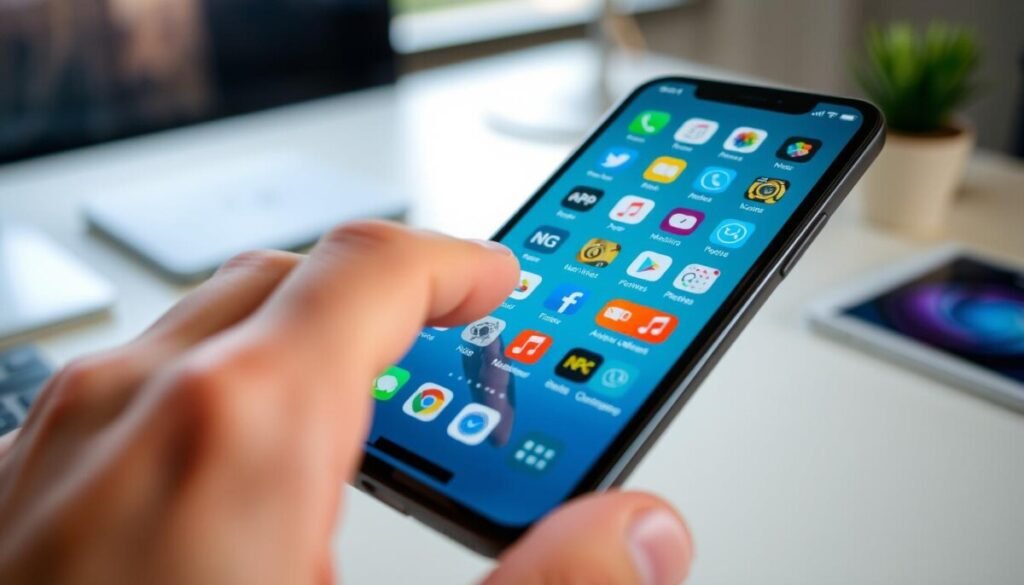
Background apps can quietly push your device into higher temperatures and drain battery fast. Spotting and closing these apps is your first line of defense against overheating and poor performance.
Closing Resource-Intensive Applications
Quit games, streaming apps, and heavy tools when you are not using them. These tasks force the processor to work harder and raise heat quickly.
Use the recent apps view or system monitor to stop apps running in the background. That reduces needless power draw and helps the battery last longer.
- Scan for malware: Run a Panda Security scan on Android to find malicious apps that cause constant overheating.
- Disable extras: Turn off location services and auto-sync for apps that you don’t need always active.
- Install updates: Keep apps and system updates current so software runs more efficiently and uses less power.
- Before charging: Close unused apps to lower load during charging and avoid extra heat build-up.
Manage apps with regular checks. Fewer background processes means a cooler device and a longer-lived battery.
Optimizing Screen and Connectivity Settings
Small changes to display and radios can cut wasted power and lower device temperature fast.
Reduce screen brightness and enable adaptive brightness to let the display match ambient light. This saves power and helps prevent overheating during long sessions.
Turn off Bluetooth, GPS, and other radios when not needed. Disabling unneeded connections stops background services from waking apps and drawing extra power.
- Disable high-refresh-rate modes for long use periods to lower the screen’s workload.
- Limit apps running in the background to reduce CPU cycles and heat.
| Setting | Impact | Action |
|---|---|---|
| Brightness (manual) | High power draw, higher temperature | Set to 40–60% or enable adaptive |
| Refresh rate | More GPU load and heat | Switch to 60Hz for long sessions |
| Connectivity radios | Background sync and extra power use | Turn off Bluetooth/GPS when idle |
| Background apps | Hidden CPU work and battery drain | Close unused apps and restrict background activity |
Tip: Review these settings whenever you feel a rise in phone temperature to keep your device running smoothly and extend battery life.
Best Practices for Charging Safely
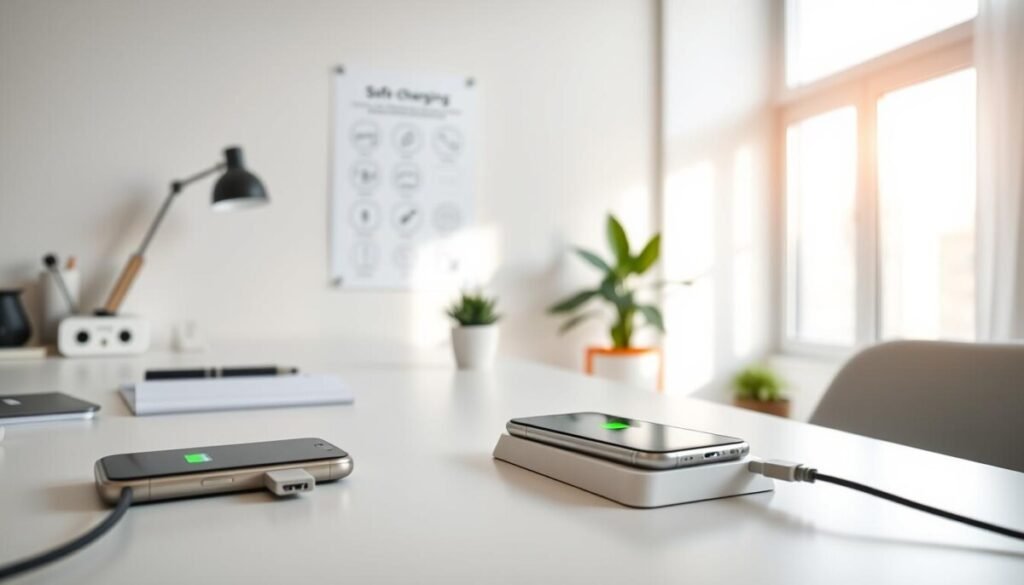
Safe charging habits cut unnecessary temperature spikes and extend battery life. Follow a few simple rules to protect your phone battery and internal parts.
Using Manufacturer-Approved Chargers
Always use the charger and cable the maker approves. Certified chargers match the device’s power profile and reduce the risk of overheating and damage.
Avoiding Fast Charging During Use
Avoid using heavy apps or gaming while charging. Fast charging plus high load increases heat and stresses batteries over time.
- Remove the case if the phone is getting warm during charging to help heat escape.
- Charge on a cool, hard surface to prevent trapped heat and possible battery damage.
- Check cables for wear; a faulty cable can raise phone heating and cause unsafe power draws.
- Monitor battery health regularly to spot cells that struggle and may overheat.
| Practice | Why it matters | Action |
|---|---|---|
| Use approved charger | Matches voltage and current | Buy official or certified brand chargers |
| Avoid heavy use while charging | Reduces heat from CPU and batteries | Pause gaming and streaming during charge |
| Cool surface & remove case | Improves heat dissipation | Place on table and remove protective case |
The Role of Software and System Updates
Regular updates act like tune-ups for your device, smoothing performance and cutting wasteful power use. Install system and app updates as soon as they appear. These fixes reduce buggy background processes that cause extra heat and overheating.
Keep your phone’s settings set to auto-check for updates. Updated software often contains performance tweaks that help the processor manage load and protect the battery.
Review apps regularly and update them from official stores. Outdated apps can force the processor to work harder and raise internal temperature.
- Install system updates: fixes for background processes and security.
- Update apps: compatibility improvements that use less power.
- Scan with security tools: Panda Security can spot apps that cause overheating.
Tip: Prioritize updates in settings and reboot after major installs to ensure fixes take effect and to keep your device cool and stable.
When to Consider Professional Repairs
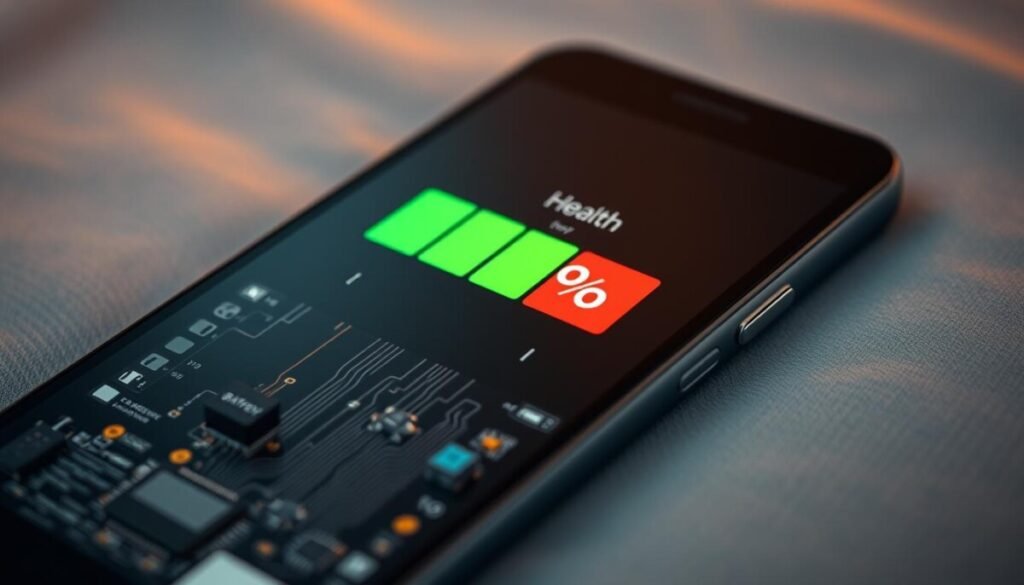
If your device keeps heating despite basic fixes, it may need professional diagnostics.
Start with a battery health check. Low capacity often causes repeated overheating and reduced life. A worn battery can be replaced to restore most of your device’s performance and extend its useful life.
Checking Battery Health and Capacity
Visit reputable repair centers such as iSmash or Pocket Geek Tech Repair for a full inspection.
Technicians test battery health, check for shorts, and spot internal damage that simple steps cannot reveal.
- If overheating persists, seek a pro rather than continuing DIY fixes.
- If battery capacity is low, replacing the unit can stop recurring issues and revive device life.
- Insurance like Protect Your Bubble may cover mechanical breakdowns; consider claims if out of warranty.
| Service | What it covers | Notes |
|---|---|---|
| Battery health check | Capacity test, cycle count | Quick, diagnostic report |
| Battery replacement | New battery installed | Restores life and reduces overheating |
| Hardware inspection | Shorts, case damage, connectors | Finds causes of persistent heat |
| Insurance claim | Mechanical repair or replacement | Protect Your Bubble offers optional cover (£16.99/mo) |
Tip: If heat returns after these steps, stop use and consult a technician to avoid permanent damage.
Signs It Is Time to Upgrade Your Phone
Persistent heat during routine tasks often signals aging hardware that can no longer cope. If texting or light browsing warms the chassis, the internal parts may be near the end of their useful life.
Watch for repeated slowdown, sudden drops in battery life, or the screen dimming itself to reduce temperature. These are practical signs that software tweaks and settings changes no longer fix the issue.
- If core apps trigger overheating during simple use, the hardware is likely struggling.
- Frequent battery failures or rapid capacity loss mean a replacement will restore safe charging and steady performance.
- Modern 2026 models use advanced cooling and better power management for gaming and high screen brightness.
- Boost Mobile offers upgrade plans that pair discounted handsets with low-monthly rate options to replace an aging device.
Action: If you spend time constantly adjusting settings, closing background apps, or avoiding sunlight and charging, consider an upgrade to protect against lasting damage.
Conclusion
In short, a few practical habits stop recurring heat and keep your device working well. Manage apps and close unnecessary background tasks to cut wasted power and limit spikes in temperature. Check battery health if problems persist and consider an upgrade if wear keeps affecting performance.
Adjust screen settings and lower brightness during long sessions to reduce strain. Keep phones out of direct sunlight and remove tight cases to help cooling. For more on causes and safe steps, read why is my phone hot. Small, steady care prevents bigger faults and keeps your gear reliable for years.