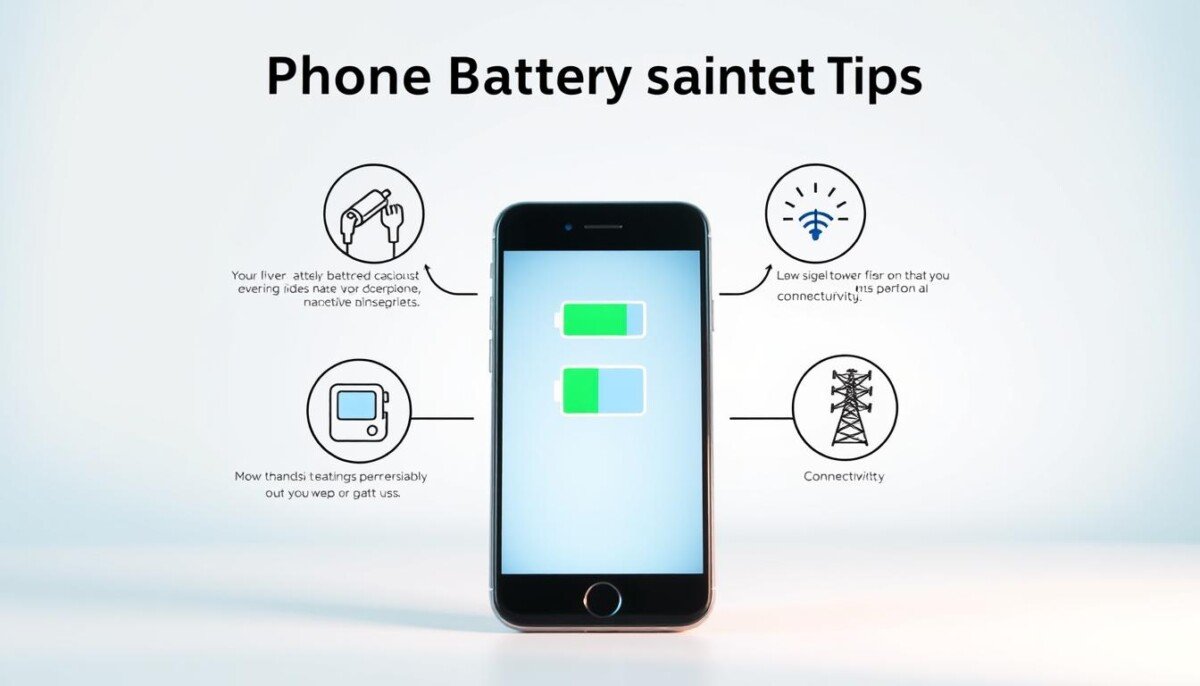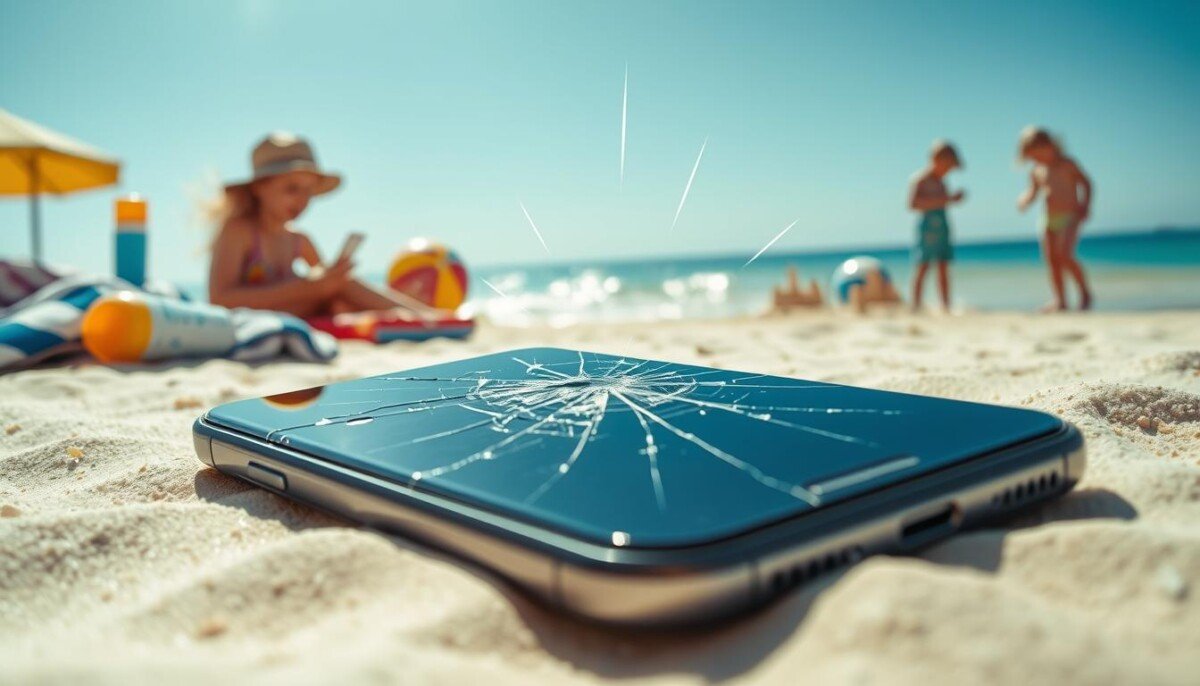
Ever wondered if a sunny day can silently ruin your device and precious memories?
You plan a summer day by the water and want everything to run smoothly. Take a few smart steps before you leave and you can keep your device safe and your data secure.
Apple devices warn you once internal temps hit about 90°F, so a quick backup at home is wise. Protecting the screen from direct sun and keeping your gadget shaded helps avoid permanent damage.
Follow simple tips: close background apps, dim the screen, remove a heavy case, and avoid charging in direct sun. Also, keep electronics well away from water to protect internal parts and preserve battery life.
For deeper guidance on causes and fixes for device heat issues, check a practical guide on managing smartphone temperatures: smartphone heat fixes.
Key Takeaways
- Back up your data before you head out to protect memories.
- Keep the screen shaded to prevent hardware harm.
- Close apps and lower brightness to reduce internal heat.
- Avoid charging in hot conditions and remove bulky cases.
- Keep electronics away from water and direct sun.
- Watch device warnings and move to shade if alerted.
Understanding the Risks of Phone Overheating at the Beach
Leaving electronics in warm spots is a quick way to cause lasting battery and screen harm. High heat can warp components and reduce battery life, and some devices warn owners once internal temps reach about 90°F.
Many people store gear in a car, thinking it is safe. A parked car becomes an oven as sunlight shifts, and that fast temp rise can ruin a device within minutes.
Simple habits prevent most damage. Keep your phone under a towel or inside a shaded bag to block direct sunlight. Stow items away from sand and water to avoid scratches and clogged ports.
- Heat can permanently harm batteries and screens.
- A car can reach dangerous temps even on a mild day.
- Use shade, a towel, or a soft bag to protect devices.
- Store gear off sand and away from water to prevent physical damage.
Understanding these things helps you choose safer spots and keep your devices working longer.
Essential Strategies to Keep Your Device Cool

A short plan helps you protect electronics from high temperatures while outdoors. Follow three focused areas to reduce heat and keep your battery healthy.
Shade and Shelter
Place your device under an umbrella or inside a shaded bag. This blocks direct sunlight and cuts surface temperature quickly.
Use a towel or soft pouch to add a layer of protection and keep sand away from ports.
Managing Background Apps
Close unused apps and turn off location services to lower processing load. Less work means lower internal temperature and slower battery drain.
Quick checks during summer trips can extend your device’s time between charges.
Using Thermal Accessories
Consider a thermal case like Phoozy; it uses NASA-derived tech to reflect up to 90% of solar heat.
- Remove metal or thick plastic cases if your device starts to feel hot, since these trap heat.
- A rugged case from LifeProof or OtterBox protects from drops and water without holding in extra warmth.
- Avoid placing your device in a freezer; rapid cooling risks condensation inside components.
Taking a few minutes to manage settings and gear is the easiest way to keep devices working while you enjoy summer time.
Protecting Your Phone from Sand and Water Damage
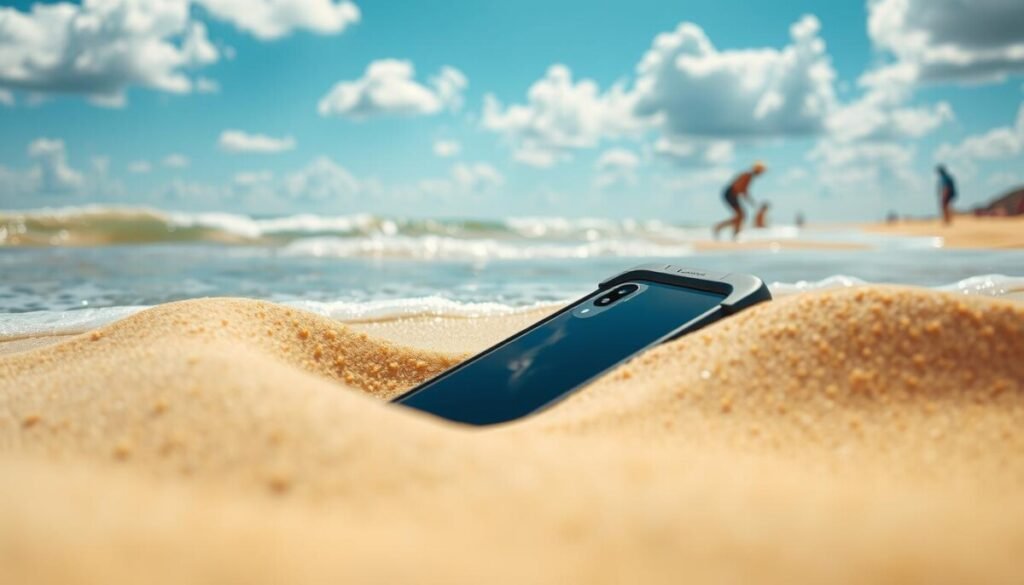
Preventing grit and moisture means smart storage and careful cleaning. A few simple habits will keep your device working and your screen clear.
Cleaning Tips for Ports and Crevices
Store gear in sealed containers to keep sand and water away. A sealed plastic bag works well for short trips. For extra protection, use a cleaned-out peanut butter jar as a dry, rigid container for keys and small devices.
Remove grit gently with nonmetal tools. If sand reaches ports, use a plastic cuticle pusher or a soft brush to nudge particles free. Work slowly to avoid bending pins or pushing debris deeper.
- Keep hands dry before touching ports or chargers.
- Use a dedicated waterproof case for extra splash protection.
- Store devices inside a bag to limit sand on the screen and in openings.
| Storage Option | Protection Level | Best Use |
|---|---|---|
| Sealed plastic bag | Medium | Quick sun and sand protection near water |
| Peanut butter jar (clean) | High | Sturdy, dry storage for keys and small devices |
| Waterproof phone case | Very High | Active use in wet or sandy conditions |
What to Do If Your Device Gets Too Hot
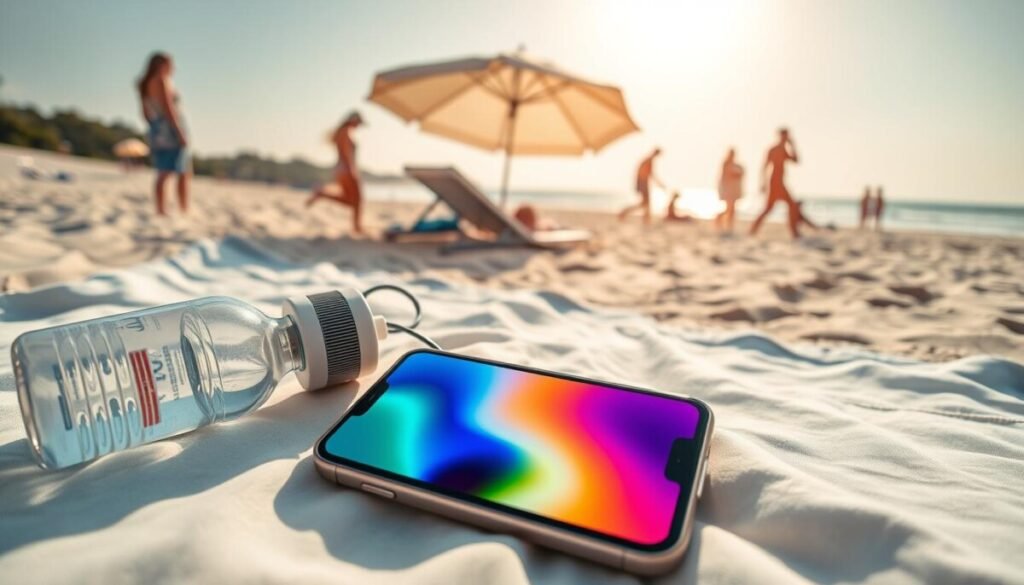
If a device feels too hot in your hand, act fast to limit damage. Turn it off and move it into a cool, shaded spot so internal components can stabilize.
Cooling Down Safely
Remove any metal or thick case to help heat escape. Close background apps and disconnect chargers so the battery can cool more quickly.
If your device got wet from water or sand, use a hairdryer on medium heat to draw moisture out gently. Keep airflow steady and avoid high heat settings to prevent further harm.
Avoiding Extreme Temperature Shifts
Do not place a hot device in a refrigerator or freezer. Rapid cooling causes condensation that can ruin circuits and battery cells.
If you must use a cooler, make sure no ice packs or liquid touch your device. Store it in a dry bag inside the cooler to cut risk of moisture and condensation.
- Move out of direct sunlight and away from a hot car interior.
- Let the device rest until temperature and moisture drop before turning it on.
Conclusion
Protecting your device starts with three quick moves: keep it shaded, back up important data, and store gear away from sand and water.
Use a slim case or pouch and remove thick covers when temps rise. These simple tips help your screen and battery last longer through a long day at the shore.
If you notice signs of overheating, power down and move to shade. For more on why devices heat and how to cool them safely, read this why devices get hot.
Follow these steps and enjoy your time with peace of mind—your memories and gear will thank you.