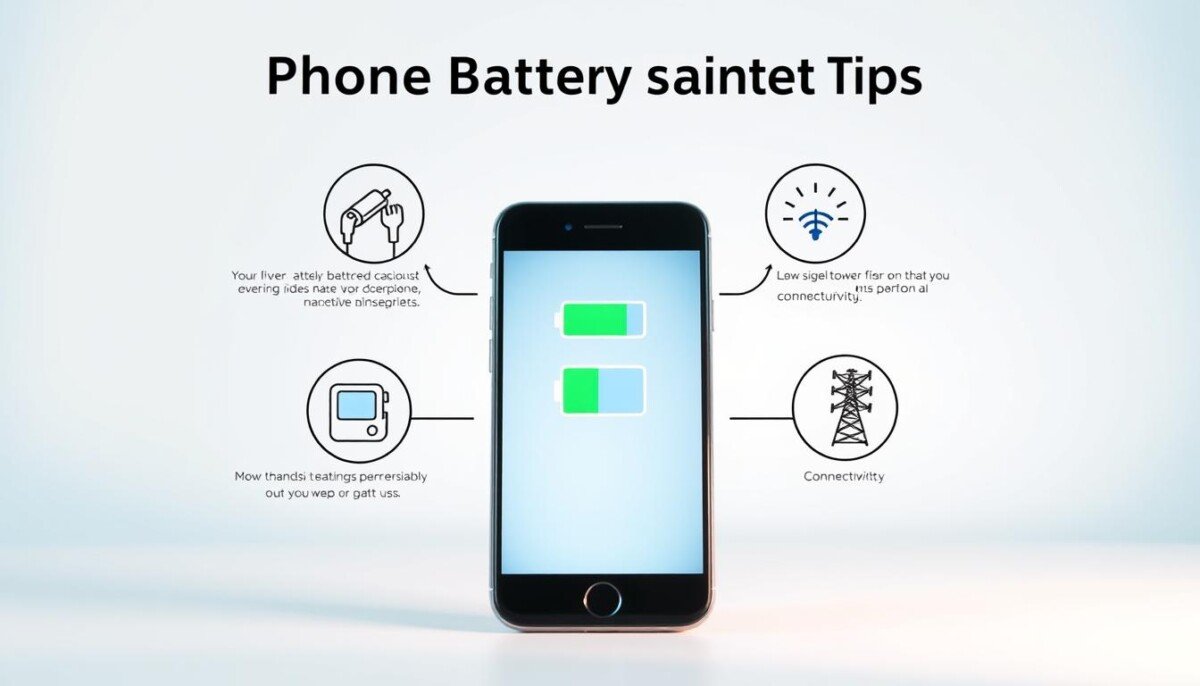
Have you ever wondered if a stored device will still hold power after years on the shelf? That question matters if you own expensive phones or spare devices you won’t use for a year or more.
Modern smartphones use complex power systems that can degrade if left idle without the right care.
Consistent environment and the correct charge level before storage are the two most important controls you can use to protect battery life. Simple habits now — like partial charging and cool placement — prevent faster wear and keep the device reliable when you return to it.
For heat risks and practical fixes, see this guide on overheating and maintenance smartphone overheating causes and fixes.
Key Takeaways
- Keep a stable, cool environment to slow degradation.
- Store with a partial charge to reduce stress on cells.
- Avoid heat and direct sunlight; remove cases if charging.
- Check devices every few months and top up as needed.
- Follow manufacturer guidance and use approved chargers.
Understanding Lithium-Ion Battery Health
Lithium-ion packs lose capacity gradually as chemical reactions change their internal structure. This is normal for all modern smartphones and other devices you rely on every day.
Cells age with each charge cycle and with time, so capacity falls over years even if you use the device lightly. The Zenfone 12 Ultra, for example, ships with a robust 5500mAh pack but still needs basic checks to stay healthy.
Monitor health in system settings to spot apps that run in the background and drain power. High screen brightness and background processes are common culprits when you see sudden drops in battery life.
Regular software updates often boost performance by improving how the system manages power-hungry apps and screen modes. Knowing the state of your cells is the best way to extend lifespan and keep devices ready when you need them.
- Check health in settings every few months.
- Close unneeded apps and lower screen brightness.
- Install updates to improve power management.
Preparing Your Device for Long-Term Storage
A short checklist now will protect performance and capacity when you bring the device back into service. These steps cut the risk of deep discharge and surface corrosion.
Cleaning Battery Contacts
Before you pack a device, make sure the metal contacts are clean. Use a cotton swab with isopropyl alcohol and wipe gently to remove oils and oxidation.
Clean contacts ensure a solid connection when you power the device again. This simple care step reduces the chance of flaky starts after months on the shelf.
Ideal State of Charge
Research from Battery University shows that keeping lithium-ion batteries near a 40-percent charge best preserves capacity. Set the device to about 40% before you pack it away.
Update the system software and disable unnecessary background apps to stop slow drains. These small actions help your devices retain usable power for years.
- Clean contacts with isopropyl alcohol.
- Set the charge to ~40% for storage.
- Install updates and turn off background apps and high-brightness modes.
Best Practices for Storing Phone Long Term Battery

Small actions before you pack a device will make a big difference to its usable capacity later.
Use the official charger that shipped with your device to top the charge safely. That keeps voltage steady and reduces stress during the last fill before storage.
Set the charge between 20% and 80% to protect chemical health. Avoid a full 100% charge and deep discharge to preserve capacity over years.
Turn off radios like Bluetooth, GPS, and NFC. Disable background apps and lower screen brightness to stop slow drains while the device sits.
- Restart weekly — a simple reboot clears glitches that can cause unwanted power use.
- Keep cool — avoid heat, which permanently reduces lithium cell capacity and overall performance.
- Use approved chargers only when you top up the charge; uncertified adapters can harm the system.
| Action | Why it matters | Frequency |
|---|---|---|
| Set charge to 20–80% | Reduces chemical stress and prolongs capacity | Before storage |
| Disable radios & apps | Prevents background drains and phantom power use | Once, then verify monthly |
| Restart device | Clears glitches that cause extra drains | Weekly |
| Store in cool conditions | Limits heat damage to lithium cells | Always |
Managing Environmental Factors for Optimal Longevity

A steady, dry environment is the single most effective way to protect cells while a device sits unused. Control temperature and moisture first, then worry about chargers and software.
Temperature Control
Keep conditions constant. Aim for about 59 degrees Fahrenheit when possible.
Why it matters: Stable temperatures slow chemical breakdown and preserve capacity over years.
Avoiding Humidity
Moisture accelerates corrosion and can damage connectors and the system.
Practical tip: Use a sealed container or a Ziploc bag with a small desiccant pack to cut humidity risk.
Safe Storage Locations
A refrigerator can be a sensible option if the device is dry and sealed. Condensation is the main hazard, so always use airtight packaging.
Keep devices out of direct sunlight and away from car trunks or hot garages. Heat reduces lifespan and lowers battery life fast.
- Keep a constant temperature — fluctuations cause faster degradation.
- Choose dry, ventilated cases like official ASUS covers for mechanical protection without trapping heat.
- Store auxiliary batteries for cars or tools in cool, dry places away from moisture.
For guidance on the best charge level before storage, check the recommended state of charge to make sure you leave devices at the right level.
Reviving Your Device After Extended Storage

Give your device a gentle restart by letting it reach room temperature before you power it on. That short pause helps protect cells and avoids sudden protection-mode shutdowns.
Warming Up Before Powering On
Just like a bear waking from hibernation, your phone pack needs time to adjust. A cold cell performs poorly and may refuse to charge until it warms.
Wait 30–60 minutes in a dry, room-temperature spot. Do not force charging or use heat sources to speed this up.
- If you stored other batteries, such as a car unit, let them warm similarly.
- After booting, review apps and power settings to spot drains.
- Run a quick health check in system settings to confirm state of charge and cell health.
| Check | When | Why |
|---|---|---|
| Room temp wait | Before first power | Prevents safety cutoffs |
| System health | After boot | Find apps that drain power |
| Safe charge | If needed, at 40% | Preserves cell performance |
Conclusion
A few simple steps today keep your device reliable for years. Set the charge near midlevel, keep the pack cool and dry, and check it every few months. These habits reduce wear and protect usable capacity.
Follow manufacturer guidance and practical tips to blend safety with routine care. If you want more tips on daily preservation and power-saving mode use, see how to extend your phone’s battery life.
Treat these tiny power units with care and they will return reliable charge when you need the device again. Small actions now pay off with longer life and steady power.