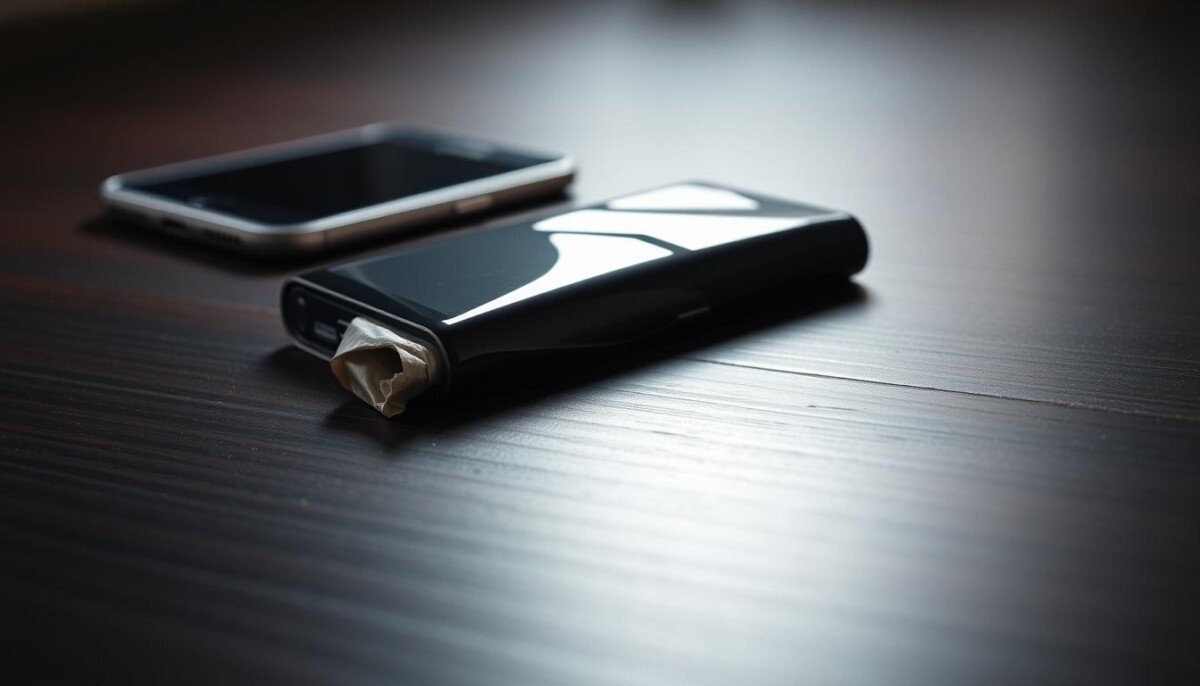
Have you ever noticed your device is no longer flat and wondered if it could be dangerous? This small change can mean a failing cell inside a mobile unit. It pays to act fast for your safety and for the life of your device.
Early detection matters because a swollen battery can lift the screen or bulge the back cover. When internal chemistry fails, expansion is the most visible cue. Do not ignore a device that looks off—this can protect your data and prevent harm.
Our guide explains why batteries swell, what a battery swell can mean for your screen and case, and the right steps to take without risking damage. We focus on clear, practical advice that helps busy professionals make safe choices quickly.
Key Takeaways
- Any change in shape often points to a failing cell; treat it seriously.
- Visible lifting of the screen or bulging cover is a common early sign.
- Stop using the device and seek professional help to protect your data.
- Handling damaged batteries incorrectly can cause fire or chemical risks.
- Simple, safe steps can extend device life and keep you secure.
Understanding Swollen Phone Battery Signs
If the case no longer sits flat, that distortion usually points to an expanding cell inside. Check how the device rests on a table; a wobble is a clear warning.
Look for a gap where the screen meets the frame or a lifted edge on the back. These are common and visible cues that the battery is losing integrity.
Inspect the rear cover often. Modern batteries are sealed, so any change in shape is a meaningful clue to act for your safety.
- Raised screen edges or a bulging back
- Device that no longer lies flat
- Case deformation that strains internal parts
| Visible Cue | Immediate Risk | Recommended Action |
|---|---|---|
| Lifted screen edge | Screen damage, short circuit | Power down and seek pro help |
| Device wobble | Case stress, connector failure | Stop using and inspect back cover |
| Rear bulge or gap | Permanent internal damage | Handle with care; arrange safe removal |
The Science Behind Battery Expansion
When internal chemistry runs hot, gas forms and the pack can grow. This is most common in modern lithium cells as they age.
Electrolyte Decomposition
Electrolyte decomposition happens when the liquid that moves ions breaks down. That breakdown releases gases such as carbon dioxide and small organics.
Over time, repeated charging and holding a full charge increase these reactions. That raises the chance of casing deformation and long-term damage to your device.
Gas Buildup and Pressure
Gases collect inside the sealed casing and raise internal pressure. That pressure forces the battery casing to expand and can lift the screen or warp the case.
- High heat accelerates reactions and speeds swelling.
- Keeping a unit at 100% for long periods stresses power management and cells.
- Low-quality chargers can cause overheating and trigger gas formation.
Practical takeaway: use certified chargers, avoid long full-charge holds, and monitor heat during charging. For more on thermal causes and fixes, see smartphone overheating causes and fixes.
| Cause | What Happens | What You Can Do |
|---|---|---|
| Electrolyte breakdown | Gas release inside cells | Limit full-charge time; avoid high temperatures |
| Aging cells | Less stable reactions, more gas | Replace old packs; monitor device performance |
| Poor chargers | Overheat and stress power circuits | Use certified chargers and approved cables |
Why You Should Never Ignore a Bulging Device
A bulging device is not just cosmetic — it can start a rapid, dangerous chemical reaction. Left alone, a swollen battery can trigger thermal runaway and intense heat that may lead to fire.
If you see a lifted screen or warped frame, stop using the unit immediately. Continuing to charge or power a bulging pack raises internal temperature and the chance it will catch fire.
The pressure from trapped gas can rupture the casing and release toxic fumes. Do not try to press the cell back into place. Forcing the pack risks immediate physical damage and a violent fault.
- Power down and move the device away from other electronics.
- Do not charge, poke, or pierce the pack.
- Seek professional removal to reduce risk to people and property.
| Risk | What Happens | Action |
|---|---|---|
| Thermal runaway | Rapid heat and possible fire | Power off; isolate device |
| Pressure build-up | Casing rupture; fumes | Avoid force; contact pros |
| Continued use | Higher risk of catastrophic damage | Stop using; remove from home |
Visual Indicators of a Failing Battery
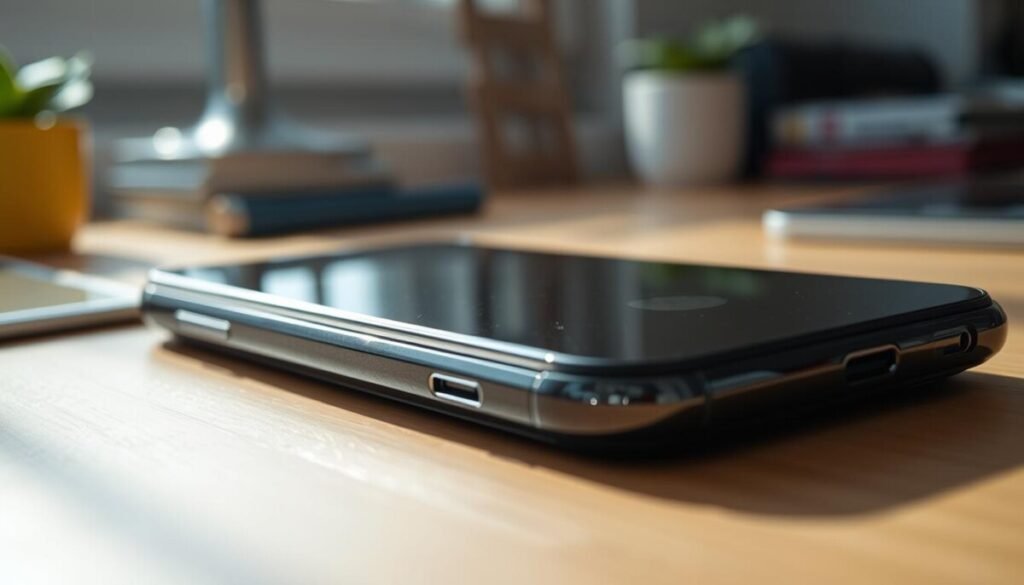
Quick checks let you catch cell faults early and avoid bigger losses. Look for changes in how the device sits, any odd odors, and visible warping. These clues point to internal pressure or leaking that can lead to heat and fire risk.
The Wobble Test
Place the device on a flat surface and give it a gentle nudge. If it rocks or tilts, pressure from the pack may be deforming the casing or frame.
That wobble is an easy way to check laptops and phones without opening them. Treat a positive wobble as a warning and stop charging or using the device.
Screen and Case Deformation
Raised edges, a lifting screen, or a bulging back mean the cell is pressing on internal parts. This creates pressure that can crack screens or damage connectors.
Use plastic prying tools to inspect covers. Never push on the battery casing itself — applying force increases the risk of damage and fire.
Detecting Chemical Odors
A sweet or metallic smell can indicate leaked gases from a failing pack. Move the device to a well-ventilated area and keep it away from heat and power sources.
If you notice odor plus visual deformation, that combination raises the risk of rapid failure. Prioritize your safety and seek professional help.
| Indicator | What to do | Risk |
|---|---|---|
| Wobble on flat surface | Power down; avoid charging | Pressure damage |
| Lifted screen or bulge | Inspect with plastic tools; contact pros | Screen or connector failure |
| Sweet/metal odor | Ventilate; move away from flammable items | Gas leak; fire risk |
Immediate Safety Protocols for Damaged Cells
Do not delay: isolating a compromised pack limits heat spread and lowers danger.
Powering Down and Isolation
Power off the device immediately and stop using it if you suspect a swollen battery or visible battery swelling. Leaving it on or trying to charge increases the risk of heat buildup and may cause the pack to catch fire.
Wear protective gloves and use caution when you must handle the unit. Work in a well-ventilated area to avoid breathing any gas from failing cells.
- Place the device on a metal surface or inside a fireproof container away from flammable items.
- Never use metal tools to open the case; plastic tools are safer for inspection and repair.
- If you need a replacement, contact a trained technician who handles hazardous lithium waste.
| Action | Why | Immediate Step |
|---|---|---|
| Power down | Stops electrical stress and lowers heat | Press and hold power; do not charge |
| Isolate on metal or fireproof surface | Prevents heat from spreading to fabrics or wood | Move unit away from people and stored items |
| Avoid metal tools | Puncture risk can trigger thermal reaction | Use plastic tools and wear gloves |
| Call a professional | Safe removal and proper disposal | Arrange repair or replacement with certified service |
Professional Removal and Repair Procedures
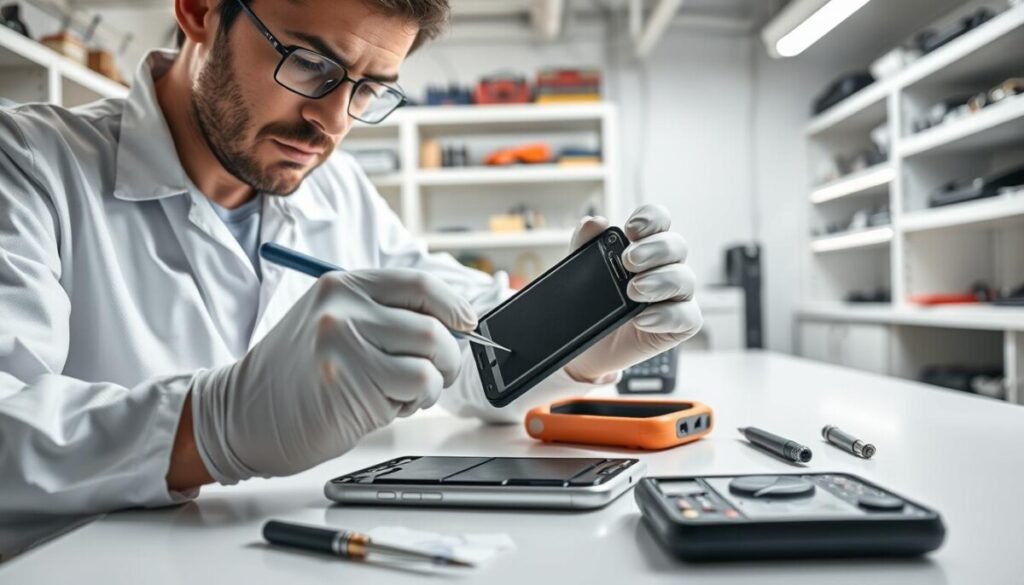
Professional removal limits fire and chemical risk and protects internal components.
When a device shows cell expansion, seek an authorized repair center. Trained technicians use specialized plastic tools to lift the pack without adding dangerous pressure to the casing.
Wear protective gloves and handle the unit with caution before transport. If the pack is glued to the back, pros apply controlled heat to loosen adhesive safely.
Never attempt a DIY repair on a swollen pack. The chance of fire or gas exposure is too high and can cause lasting harm.
After removal, a technician will place the damaged pack in a secure, non-flammable container. This step protects people and prevents heat from spreading to other items.
- Certified centers use plastic prying tools and low-heat methods for safe replacement.
- Proper care during removal protects internal circuits and keeps your data intact.
- Authorized services manage hazardous waste so the pack is disposed of responsibly.
| Step | Why it matters | What pros do |
|---|---|---|
| Initial assessment | Confirms risk level | Visual check; power down device |
| Safe opening | Prevents casing and circuit damage | Use plastic tools and measured heat |
| Secure removal | Limits fire and gas release | Place pack in non-flammable container |
| Certified disposal | Meets legal and safety standards | Hand off to hazardous-waste service |
Responsible Disposal of Hazardous Lithium Waste
Treat damaged lithium cells as hazardous items and plan their transport before you touch them.
Do not toss compromised cells into regular trash. A swollen pack is hazardous waste and must be handled so it does not short, leak, or catch fire.
Transporting Damaged Batteries Safely
Tape the terminals and place the battery in a clear plastic bag to reduce short-circuit risk. Use gloves and act with caution to avoid contact with any leaked fluid or gas.
- Do not use metal containers—metal can spark if terminals touch.
- Many electronics retailers have a drop-off place for damaged cells; they handle hazardous waste properly.
- If shipping, use UN-rated packaging made for lithium cells to contain heat and fire risk.
| Action | Why | Where |
|---|---|---|
| Tape terminals & bag it | Prevents short circuits | Hold for drop-off or transport |
| Wear gloves & use plastic tools | Protects hands from residue | Local retailer or certified service |
| Use UN-rated packaging for shipping | Meets legal transport rules | Authorized carrier or hazardous-waste facility |
Professional disposal services have the tools and training to neutralize lithium cells safely. Check your municipality’s website to find the nearest facility that accepts this waste and to learn local rules for device removal and replacement.
Smart Charging Habits to Prevent Future Swelling
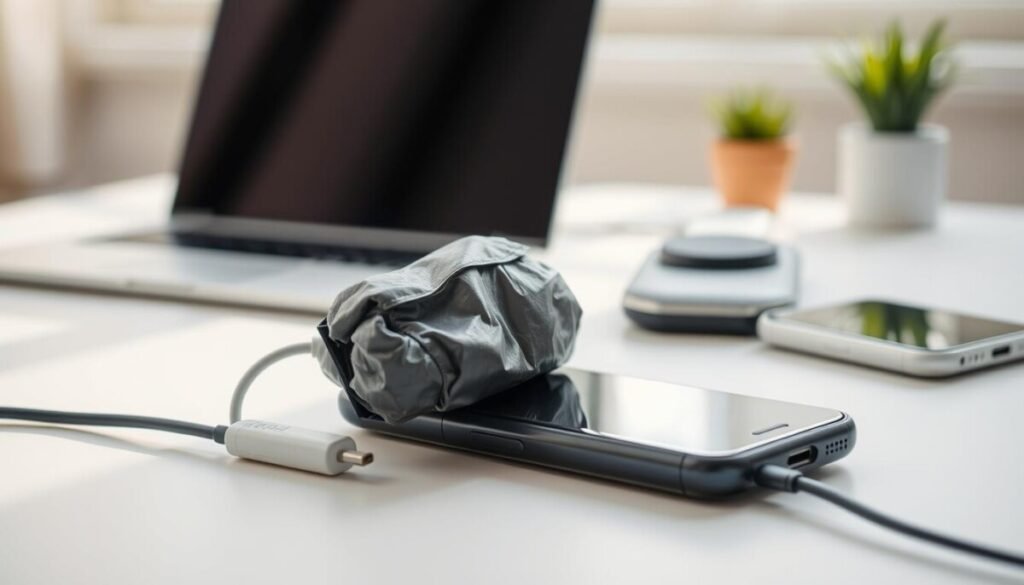
Small shifts in how you charge can cut the risk of internal gas buildup. Keep routine simple and deliberate to protect cell chemistry and reduce long-term damage.
Aim to keep the charge between 20% and 80%. This range lowers chemical stress and helps prevent gas formation that leads to a swollen battery.
Avoid leaving your phone in a hot car. Just thirty minutes of extreme heat can accelerate reactions and cause harmful swelling and heat buildup.
Use original chargers only. Uncertified chargers can send uneven power and harm cells over time. Most packs wear after roughly 500 full cycles; consider replacement if your device is over two years old.
- Give your device airflow during heavy gaming to reduce heat.
- Top up power in short bursts rather than long overnight fills.
- Follow manufacturer notes — the HONOR Magic7 Pro uses silicon-carbon cells that run cooler under load.
Smart charging habits are the best safeguard for long-term safety. For more on causes and prevention, see battery swelling causes and prevention.
Managing Battery Health in Commercial Environments
Managing dozens of units requires tools that prevent long-term cell damage. In labs and retail, hardware hubs and smart controllers keep charge cycles in check. These tools cut the chance of pack swelling and reduce fire risk.
Use Acroname USB hubs to monitor and schedule charging across many devices. Since 2019, solutions like Chargie have let IT teams limit full charge time and avoid leaving power units plugged in 24/7.
Don’t let devices sit at 100% all the time. A constant high charge speeds wear and costs you more in repairs and replacement. Set a policy: replace cells or packs that have been in service more than two years.
- Audit charging stations to find units that are always charging.
- Choose certified chargers and the right tools for your fleet.
- Invest in smart charging to lower repair and waste costs over time.
| Action | Why it matters | Result |
|---|---|---|
| Use hubs and schedulers | Controls charge time and voltage | Longer device life |
| Replace after two years | Aging cells lose stability | Lower fire and repair risk |
| Audit stations | Find constant high-voltage use | Reduce swelling and waste |
Conclusion
Catching early changes in your device’s shape protects people, property, and data. Recognizing a swollen battery or visible battery swelling is the first step to better safety. Act quickly and stop using any unit that shows deformation.
Arrange professional replacement or approved recycling right away. Proper care and smart charging cut the chance of heat buildup and reduce fire risk.
Dispose of damaged cells only at an authorized hazardous waste facility. That protects sanitation workers and the environment.
Stay vigilant, follow these steps, and you will lower risk. A small dose of caution goes a long way in preserving your devices and keeping your space safe.