Do hidden system settings make your phone run hot and lose power faster than it should?
You rely on your phone every day. Small background processes and system choices can quietly use energy and raise device temperatures.
With the Samsung Galaxy S24 Ultra’s fast Snapdragon 8 Gen 3 chip and a 6.8-inch LTPO AMOLED display, performance is great — but so is potential heat and drain when many apps run unseen.
By tweaking a few developer settings you can cut needless power use, lower heat, and extend phone life. Controlling background processes and app behavior makes a clear difference.
We will show practical, business-focused steps to spot which settings use the most power and how to fix them. For deeper overheating causes and fixes, see this smartphone overheating guide.
Key Takeaways
- Hidden settings can increase heat and daily power drain.
- Limit background processes to improve phone battery life and reduce heat.
- Adjusting developer controls helps apps behave and saves energy.
- Small data and energy uses add up over time; manage them regularly.
- Practical tweaks keep your device running cooler and lasting longer.
Understanding the Risks and Benefits of Developer Options
Hidden system controls can change how your phone uses power and feels hot.
Carriers often warn that enabling advanced tools may hurt your device’s performance or reduce battery life if you make careless changes.
These controls give you a clear view of which apps and background processes are using power. That visibility helps you stop a single app from draining your phone over time.
Use care when altering core system settings. A wrong tweak can cause unexpected behavior or slow a key process.
- Benefits: monitor app drain, pause wasteful background processes, and improve long-term life.
- Risks: misconfigured settings can lower performance or cause instability.
- Best practice: limit changes to one setting at a time and track effects over several hours.
Practical tip: For years, users report that restricting background processes is the most reliable way to extend battery life without hardware changes.
| Aspect | Risk | Recommended Action |
|---|---|---|
| Monitoring apps | May show too much data and confuse nontechnical users | Track top 3 apps using battery and test changes one at a time |
| Background processes | Disabling core process can reduce performance | Restrict nonessential apps and keep critical services enabled |
| System tweaks | Possible instability or higher power draw if misused | Document changes and revert if issues appear within 24 hours |
How to Enable Android Developer Options Battery Settings

Small settings changes can save hours of phone life each day. Start by opening Settings, then tap About phone. From there, select Software information and tap the Build number seven times to unlock the hidden menu.
After you enter this mode, the developer options entry appears in your system settings for quick access. Use the settings search bar to jump to a specific feature and save time when you need fast changes.
Accessing the Build Number
Tap the build number seven times while on the Software information screen. You may be asked to confirm with your PIN or password. Once confirmed, the hidden menu is enabled and ready to use.
Navigating the Hidden Menu
The hidden menu acts like a task manager. It shows running services so you can spot which apps are using battery or running background processes.
- Use Running Services to identify heavy apps and background processes.
- Change defaults carefully; restrict nonessential apps to save power and reduce heat.
- Adjust display and screen brightness alongside these settings for better life gains.
| Action | Where to find it | Benefit |
|---|---|---|
| Build number taps | Software information | Unlock hidden menu |
| Running Services | Developer menu | See apps using battery |
| Search bar | Settings top | Find options faster |
Tip: Jorge Augusto notes a three-finger touch-and-hold gesture can capture a scrolling screenshot of settings pages. Use that to save a record of any changes you make for easy rollback.
Managing Background Processes to Reduce Heat and Drain

Background apps are often the silent cause of heat and fast power loss on your phone.
Suspend execution for cached apps puts idle background processes into deep sleep. This one setting can cut overnight drain dramatically. Some users have reported a drop from 8% to about 1% after enabling it.
Use the running services view in the developer menu to spot which app wakes most often. Check the list for apps using CPU or network time. That data shows the top culprits for heat and drain.
Rosika Schreck placed 33 apps into deep standby and saw clear gains in battery life and lower device temperature. If an app still misbehaves, force stop it or tighten its background usage limits in system settings.
- Fast win: enable suspend for cached apps to prevent idle wakeups.
- Audit: monitor running services for high CPU or network use.
- Fix: force stop or restrict any app that keeps using power.
| Action | Where to adjust | Expected result |
|---|---|---|
| Suspend cached apps | Hidden menu | Lower overnight drain and heat |
| Monitor running services | Developer menu manager | Identify high-drain app quickly |
| Force stop or restrict | System app settings | Immediate reduction in power use |
Additional Techniques for Maximizing Battery Life

A few display and connectivity tweaks stop needless drain and keep your phone cooler.
Optimizing Screen and Connectivity Settings
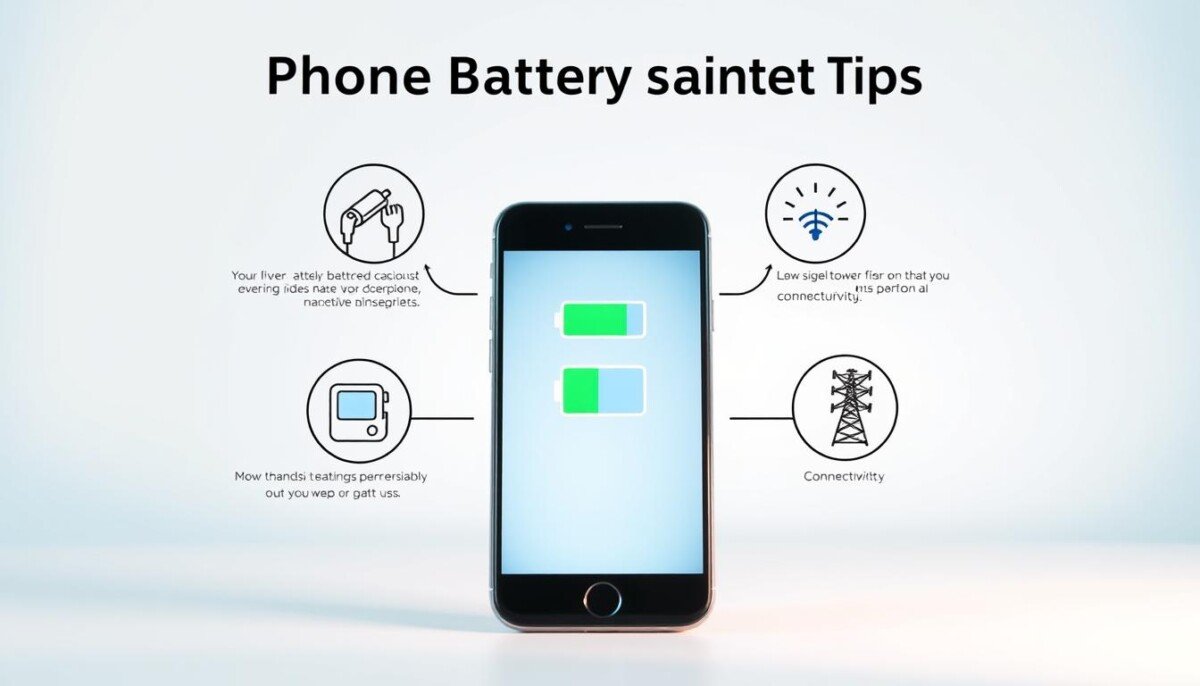
Lower screen brightness and enable adaptive brightness in display settings. This often yields the largest daily savings without changing how you use the phone.
Turn off Wi-Fi, Bluetooth, and mobile data when you do not need them. Radios that constantly search for a signal cause steady power use and extra heat.
Limit notifications so only essential apps can wake the screen. Fewer wake-ups mean less background work and less drain.
- Enable battery saver mode to slow nonessential processes and extend run time.
- Restrict or update any app that keeps draining power in the background.
- Keep your phone battery between 20% and 80% to protect long-term health and life.
Combine these steps with your hidden settings changes for the best results. For an official guide on saving power, check this how to save battery.
Conclusion
Managing background processes is the fastest way to stop needless drain and lower heat. Use hidden controls to suspend idle apps and limit wake-ups so your phone keeps more charge and runs cooler.
Small, regular checks of your developer settings and app defaults make a real difference in daily battery life and overall life span. This simple mode change cuts wasted power and improves performance without extra cost.
Make these tweaks at home or on the road, then monitor the results for a few days. Keeping your screen and radios in check helps protect battery and keeps your smartphone working well for years.