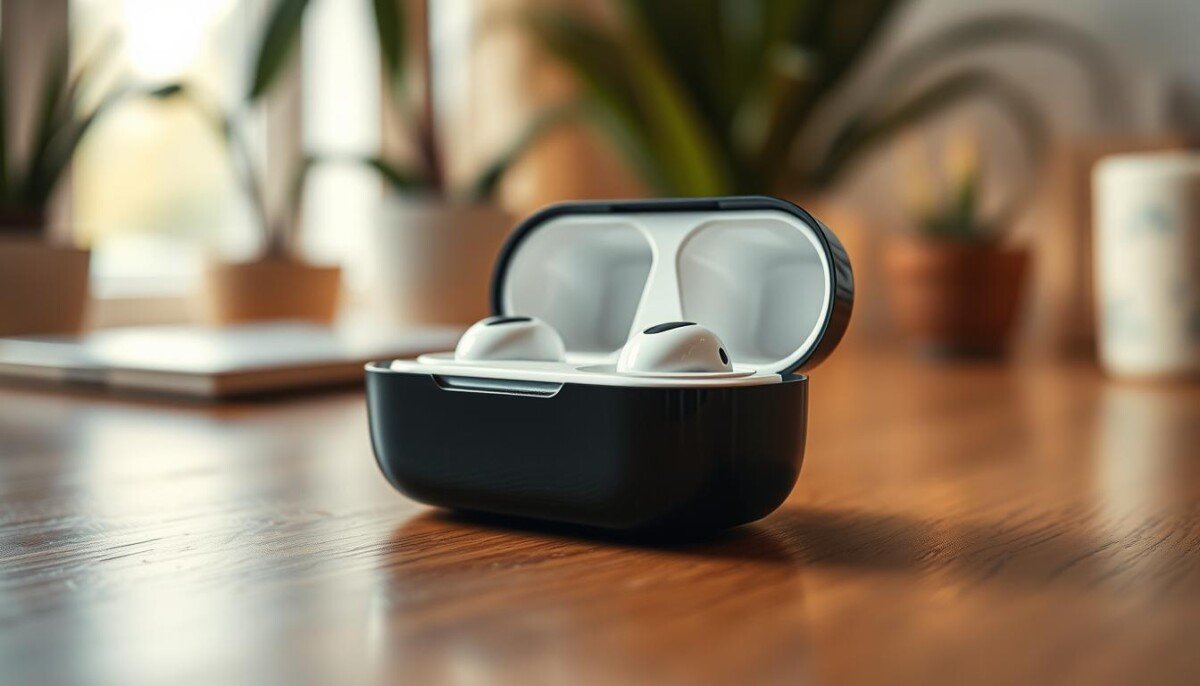
Feeling your earbud kit get warm during a power session? That small rise in temperature can worry any customer, but it is often part of normal energy transfer for modern pro models.
When your phone or audio gear is charging, a mild warmth can mean the battery and electronics are working as designed. This page explains why a minor increase is typical and where to draw the line for safety.
If the rise feels abnormal or affects performance, we outline a clear solution and when to seek professional service. You will learn how to tell normal heating from a real issue and what warranty steps may help your experience.
Key Takeaways
- Minor warmth during charging is common for modern audio gear.
- Know safety thresholds and signs that suggest a real issue.
- Simple fixes often resolve temperature problems before service is needed.
- Check warranty details if heat leads to performance loss.
- For broader device overheating tips, see our phone overheating fixes.
Understanding Why Your Earbuds Charging Case Is Hot
Modern wireless power systems can turn unused energy into noticeable warmth. That heat comes from how magnetic fields and electronics interact during a charge cycle. You will see why alignment, materials, and power level matter.
The Role of Electromagnetism
Magnetic charging based on the Qi standard runs near 100–300 kHz. If coils are misaligned the system creates eddy currents and resistive heating instead of efficient power transfer.
In practical tests a covered unit rose to 42°C in 15 minutes versus 36°C uncovered. That extra rise stresses the battery chemistry and shortens life.
The Impact of Thermal Insulation
Silicone covers trap heat and act like insulation. Repair technicians in recent years note covers often push temperatures higher during a full charge.
Using a stable power source such as the Pleason Model C500 (5V/1A or 9V/1.5A) helps, but high-watt phone adapters can still cause unwanted heating. Today, keep temps below 45°C for battery safety and longer service life.
Recognizing When Heat Becomes a Safety Hazard
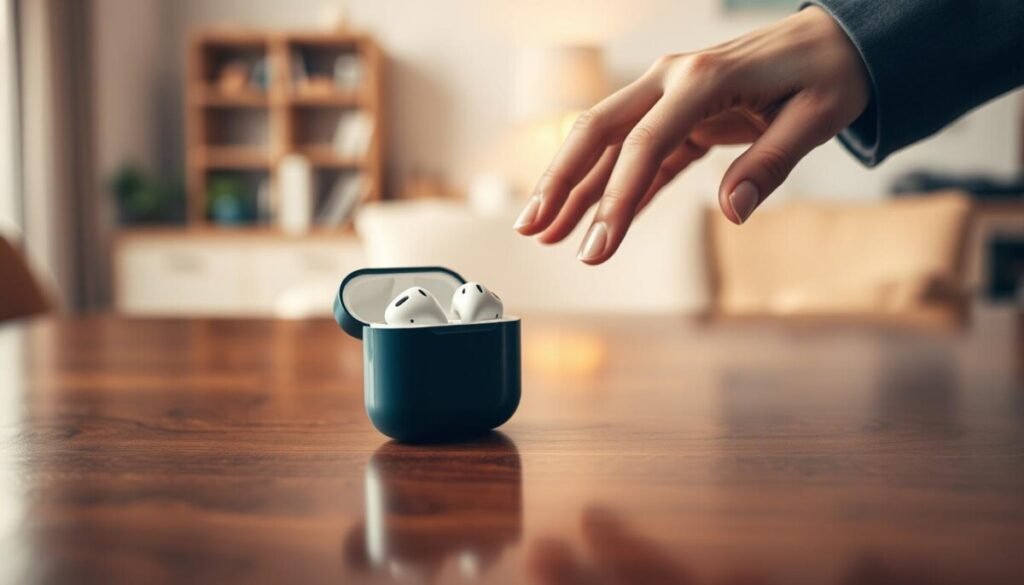
Noticeable heating during a short charge cycle deserves immediate attention.
Always use chargers and earbuds that carry clear safety marks like UL, CE, or BSMI. These certifications reduce the chance of voltage spikes that lead to dangerous hot charging events.
If you have used your device for years and the case is suddenly getting hot, the battery may be failing. Stop charging if your ear or hand feels heat and inspect for swelling or damage.
- If the holder swells, stop use and seek immediate repair or service.
- Customers have reported Wyze Buds Pro units too hot to hold; some received replacements under warranty.
- A professional service center can confirm if warranty covers the issue or if a full unit replacement is needed.
| Sign | Immediate Action | Urgency |
|---|---|---|
| Warm to touch during normal use | Pause charging and cool in open air | Low–Medium |
| Too hot to hold or swelling | Stop use; contact service or repair | High |
| Repeated heating over time | Get professional battery check; consider warranty | Medium–High |
Practical Solutions to Keep Your Charging Case Cool
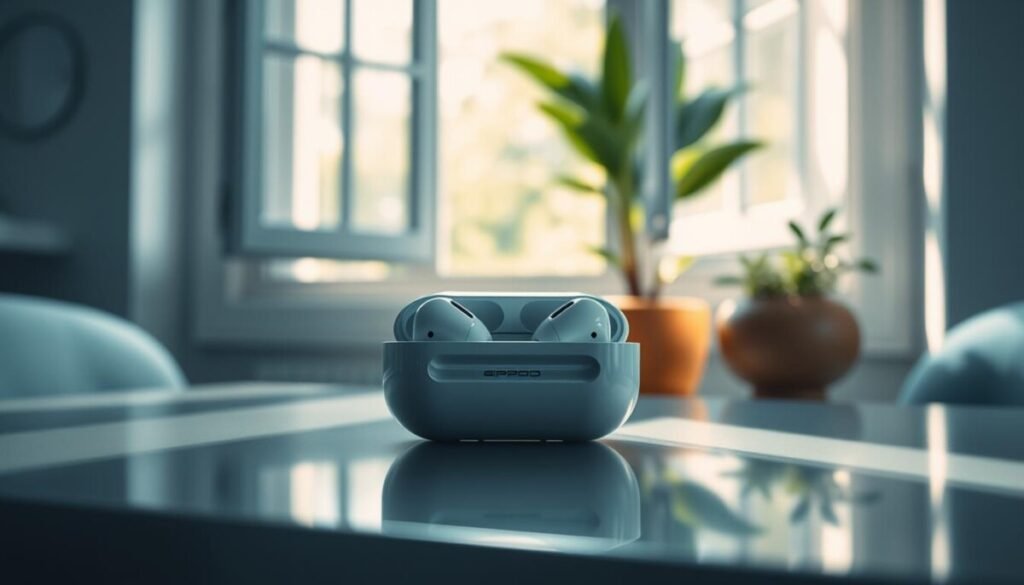
Start with simple steps you can do now. Check alignment and remove thick covers before you plug in. These moves cut surface temperature and reduce stress on the battery.
Optimizing Wireless Charging Alignment
Place the unit so coils match the pad center. Proper alignment improves transfer and lowers wasted heat.
If alignment feels off, shift the unit a little until the light or indicator shows a steady charge.
Managing Charging Environments
Avoid stacking the unit on a phone or laptop while those devices render video. That extra warmth raises the whole system temperature.
Use hard, cool surfaces like glass or ceramic to help dissipate heat. This is a simple safety step that protects the battery over years.
The Intermittent Charging Strategy
If the surface starts to feel warm, unplug for five minutes to let the cell cool. Short pauses lower stress and extend service life.
- Remove thick silicone covers during charging to drop surface temps by 6°C instantly.
- Align correctly on the pad so your pro buds hold charge without extra heating.
- Confirm the charger matches your model to avoid compatibility issues and long-term battery harm.
| Action | Why it helps | When to use |
|---|---|---|
| Remove silicone cover | Reduces surface temp by ~6°C | Before each charge |
| Center on wireless pad | Improves efficiency; less wasted heat | Every wireless session |
| Unplug for 5 minutes | Allows battery to cool; prevents thermal buildup | If unit becomes warm within minutes |
| Charge on hard, cool surface | Better heat dissipation | Always when possible |
For a deeper guide on proper charge habits and prolonging playtime, see the proper charge and battery care guide.
Conclusion: Maintaining Long-Term Battery Health
, Small, simple steps can add years to your battery life and reduce service visits.
By following tips on this page you help your earbuds hold charge longer and avoid early repair. A cool case protects the battery and supports long-term safety.
If you ever notice the case getting hot, remove any cover and let the unit rest for a few minutes. This quick solution often stops a problem before it needs warranty or repair work.
Keep these habits over time. The small effort today saves hassle and keeps customers happy for years.