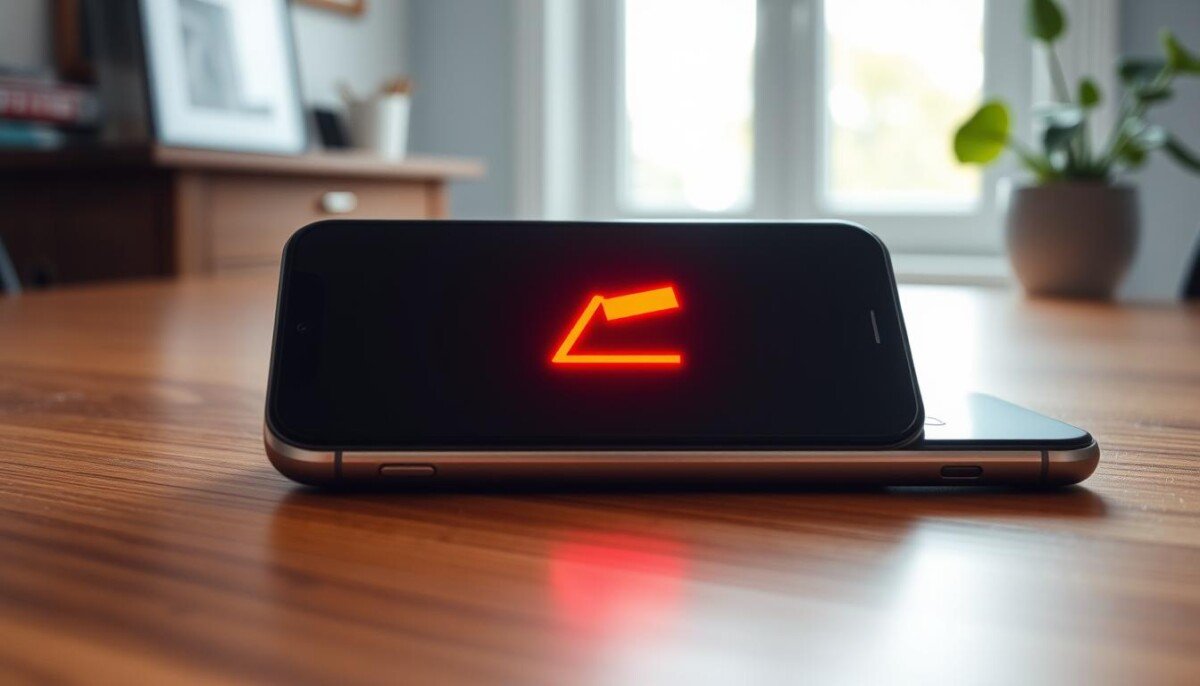
Have you ever seen a message that your device needs to cool down — and wondered if it’s a sign of real danger?
This alert is a protective safety step, not a cause for panic. Apple updated its thermal management guidance on May 14, 2026, confirming that built-in software watches heat levels to prevent hardware damage.
Your phone may limit performance or pause certain apps while it cools. This preserves battery health and keeps key components safe over time.
Learn how direct sunlight, heavy apps, and charging can trigger this condition. Follow simple steps to restore normal function and avoid repeated alerts.
For deeper fixes and causes, see this practical guide on overheating causes and fixes at smartphone overheating causes and fixes.
Key Takeaways
- A thermal alert is a built-in safeguard to protect your device and battery life.
- Software limits performance or disables apps to bring temperatures down.
- Direct sunlight and heavy app use are common triggers you can control.
- Quick steps—remove the case, stop charging, and move to shade—help fast.
- Follow routine habits and updates to reduce repeat incidents and extend life.
Understanding the iPhone Temperature Warning Screen
When internal heat climbs, built-in safeguards step in to reduce activity and protect parts. These measures keep your device and battery from lasting damage.
Design limits matter: Apple specifies that iOS and iPadOS devices are meant for use when the ambient temperature stays between 0º and 35º C (32º to 95º F). Outside that range, the system may act to protect components.
- Your device will show a protection prompt when internal temperatures exceed safe limits.
- Models from iPhone 11 onward include performance management to regulate heat during heavy use.
- If ignored, the phone can disable certain apps or features to prevent long-term harm.
- Storing devices between -20º and 45º C preserves battery life and overall life span.
- Brief warmth during updates or restores is normal; persistent alerts at idle deserve attention.
Keep the device in the recommended ambient temperature and avoid prolonged high-load use to maintain reliable performance over time.
Immediate Steps to Cool Your Device

If your device signals excessive heat, get it into a cooler environment without delay.
Move it to shade or indoors. Keep the unit off hot surfaces like a car dashboard. This simple move clears the most common causes of a temperature warning.
Remove the protective case to speed heat loss. A tight case can trap heat and slow cooling of the battery and internal parts.
Stop high-drain activities such as GPS navigation or heavy games. If the device is charging, unplug the cable right away — charging adds extra heat.
Keep the device where the ambient temperature is between 0º and 35º C. The system will dim features to manage heat, but rest and shade are the fastest fixes.
| Action | Why it helps | Expected time to cool | Priority |
|---|---|---|---|
| Move to shade/air | Stops external heat input | 5–15 minutes | High |
| Remove case & unplug | Speeds heat dissipation; stops charging heat | 5–20 minutes | High |
| Pause GPS/games | Reduces internal load and heat output | 10–30 minutes | Medium |
Environmental Factors and Usage Habits

Running graphics-heavy apps or long video streams often makes the device run hotter than normal.
Heat comes from work, not just the sun. Gaming, high-res streaming, and extended camera use push the processor and battery. A major software update or restoring a backup also taxes the system for a sustained time.
Using GPS while the phone sits in direct sunlight compounds the load. A thick case blocks passive cooling and slows heat loss. Avoid leaving the unit inside a parked car where parked car temperatures can exceed safe storage limits.
Smart habits to reduce overheating
- Limit long gaming or streaming sessions in bright sunlight.
- Pause heavy apps during updates or backups.
- Remove an insulating case when you need faster cooling.
- Take breaks if you use GPS or camera functions for long stretches.
| Cause | Why it generates heat | Quick fix |
|---|---|---|
| Graphics-intensive apps | High CPU/GPU load | Cut session length; reduce settings |
| Major software update | Prolonged processor work | Update in cool, shaded environment |
| GPS in direct sunlight | External heating + processing | Move to shade; remove case |
For safe handling guidance, see the handling information to protect your device and battery.
Troubleshooting Persistent Hardware Issues

Persistent alerts when the device is cool often point to a failing component rather than normal use.
Checking Battery Health
Start with the battery. Open Settings > Battery > Battery Health. If capacity is under 80%, Apple recommends service — replacing the battery can fix many overheating problems.
Inspecting Internal Components
Dust or debris can block passive cooling paths and cause false alerts. Check for loose cables after any repair; a poor connection can make the logic board misread readings.
Some sensors live on the charge port assembly. Disconnecting that module is a common test if you suspect a faulty sensor or false temperature warning.
When to Seek Professional Repair
If a new battery still triggers a persistent warning, you may have a bad thermistor or board-level fault. Constant refusal to accept charging often traces to logic board issues that need microsoldering tools.
- Try software resets and battery checks first.
- If the problem continues, consult an independent repair shop for diagnostics.
Conclusion
Simple habits prevent most overheating problems and save you time.
Keep your device within recommended ranges and avoid direct sunlight during heavy use. Monitor battery health and limit long, power-hungry sessions to reduce strain.
If you see repeated alerts or odd behavior, troubleshoot hardware or seek professional repair. A quick diagnostic or battery replacement often resolves the root cause.
Follow these practical steps to keep your phone reliable and avoid unexpected downtime.