Ever felt a sinking panic when your phone slips below 38% before 4 PM? That nagging moment is why software tricks matter as much as hardware. Modern phones rarely last a full day on raw power alone, so features in your settings try to stretch hours and calm that worry.
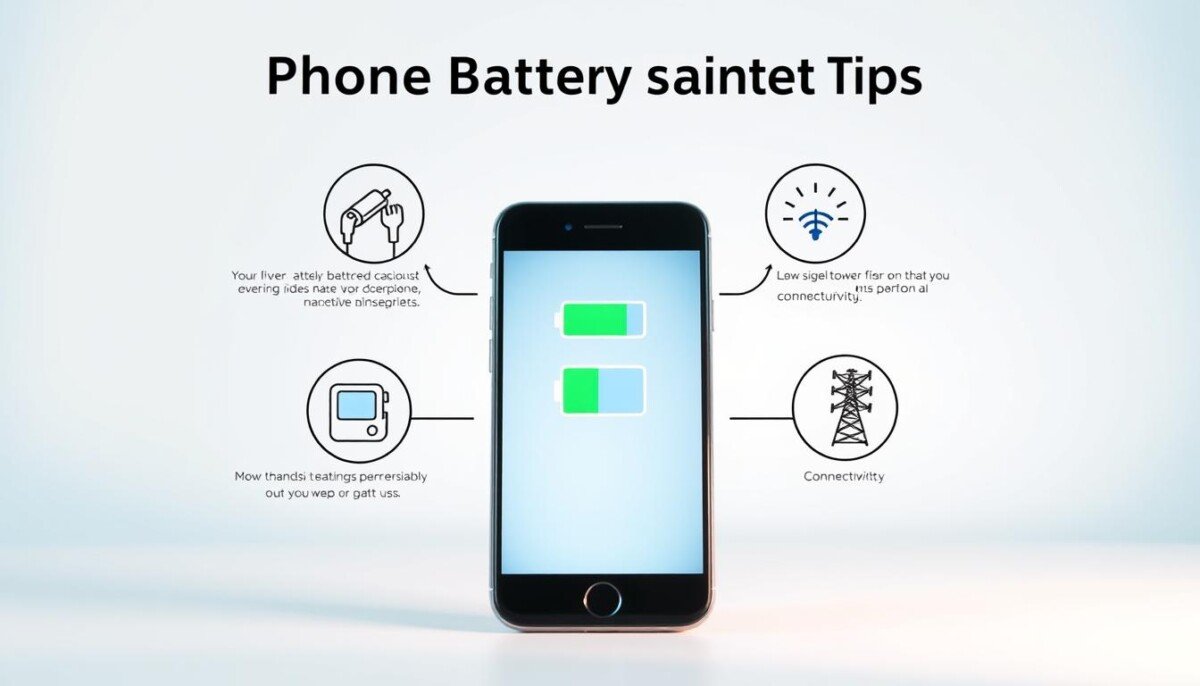
The Google Pixel phone uses a feature called Adaptive Battery to manage power use so you can get through a busy day without hunting for a charger. This guide will show how that setting works, where it sits alongside Adaptive Charging and Battery Saver, and whether it truly extends your phone life.
If you want a quick dive into related power risks and fixes, see this short guide on overheating and power best practices: smartphone power and heat tips.
Key Takeaways
- Learn how the feature works in the background to save power during your day.
- Find the setting alongside other charging and saver tools in your phone settings.
- Understand real-world benefits so you can skip extra chargers and power banks.
- See when this tech helps battery life and when it may limit performance.
- Get practical steps to tune settings for the longest hours on a single charge.
Understanding the Pixel Adaptive Battery Explained
We’ll look at how the system trains itself on your daily use and trims needless power drain.
Since Android 9, Google has built this tool into every Pixel device to limit background work and extend battery life. It studies which apps you use most and which ones you ignore.
Learning takes time. Expect a few weeks of consistent usage before the feature reaches full optimization. You can check and toggle it in your phone settings by swiping down and opening the battery menu.
- Prioritizes power for the apps you open at the top of your list.
- Manages background processes so phones can last more hours between charging.
- Not an instant fix, but keeps improving life as it learns your usage.
| Aspect | What it does | How to access |
|---|---|---|
| Learning | Tracks app patterns over weeks | Battery > Adaptive settings |
| Power priority | Gives more power to top apps | Adjust app restrictions in settings |
| Benefit | Helps improve battery life and hours per charge | Keep the feature enabled |
How Machine Learning Optimizes Your Power Usage

Behind the scenes, on-device models sort apps so your phone gives power where it counts.
The system groups apps into five buckets based on how you use them. These are Active, Working set, Frequent, Rare, and Restricted. The group a given app sits in decides how much background work it can do.
The Role of App Standby Buckets
Machine learning watches your daily patterns and moves apps between buckets over time.
Apps you open often land in Active or Frequent. Rare or Restricted apps have tight limits to save battery.
Impact on Background Processes
When an app is placed in a restricted group, the system cuts its background tasks to prevent needless battery drain.
This keeps device performance steady while you get more hours between charging and reduces overall battery usage.
- The system uses machine learning to sort apps into five buckets so key apps get power.
- Rare or Restricted apps are put to sleep to save battery and reduce background work.
- You can check the settings to see which apps are limited and change options per app.
| Bucket | How it behaves | Background limits | Typical effect |
|---|---|---|---|
| Active | Used now or often | Full background access | Best performance, small battery hit |
| Frequent / Working set | Used regularly | Moderate background tasks | Balanced life and performance |
| Rare / Restricted | Seldom opened | Deep sleep, limited sync | Less battery drain, delayed updates |
Managing App Battery Settings for Better Performance

Small manual changes can make a big difference in daily phone uptime.
Adjusting Individual App Restrictions
Open your app list and tap the app you want to change. Then go to its battery settings or the battery usage menu.
You can switch a single app from Optimized to Unrestricted when you need full background access. This helps if an important app is not behaving or needs real-time updates.
Conversely, set rarely used apps to Restricted to save power and prevent unnecessary battery drain. The system learns your habits, but you always have the final say.
- If an app underperforms, tap its battery settings and mark it Unrestricted.
- Choose Restricted for apps you seldom use to save battery and reduce background work.
- Manual control helps balance life and performance when the system limits affect critical apps.
- For a deeper read on how the system learns app patterns, see this adaptive battery guide.
Final Verdict on Using Adaptive Battery
, in short, this feature works quietly to give your phone more usable hours without fuss.
It uses on-device machine learning to learn your habits and cut needless background work. That improves battery life for most users and helps a Google Pixel phone last through the day.
Calibration takes time. Give the system a few days of regular usage before judging results. If an app is too restricted, tap battery settings and change its sleep option.
For long-term care, limit charging to about 80–85% and use battery saver when needed. Overall, keep the adaptive battery feature enabled — it is the best way to manage power on modern devices.