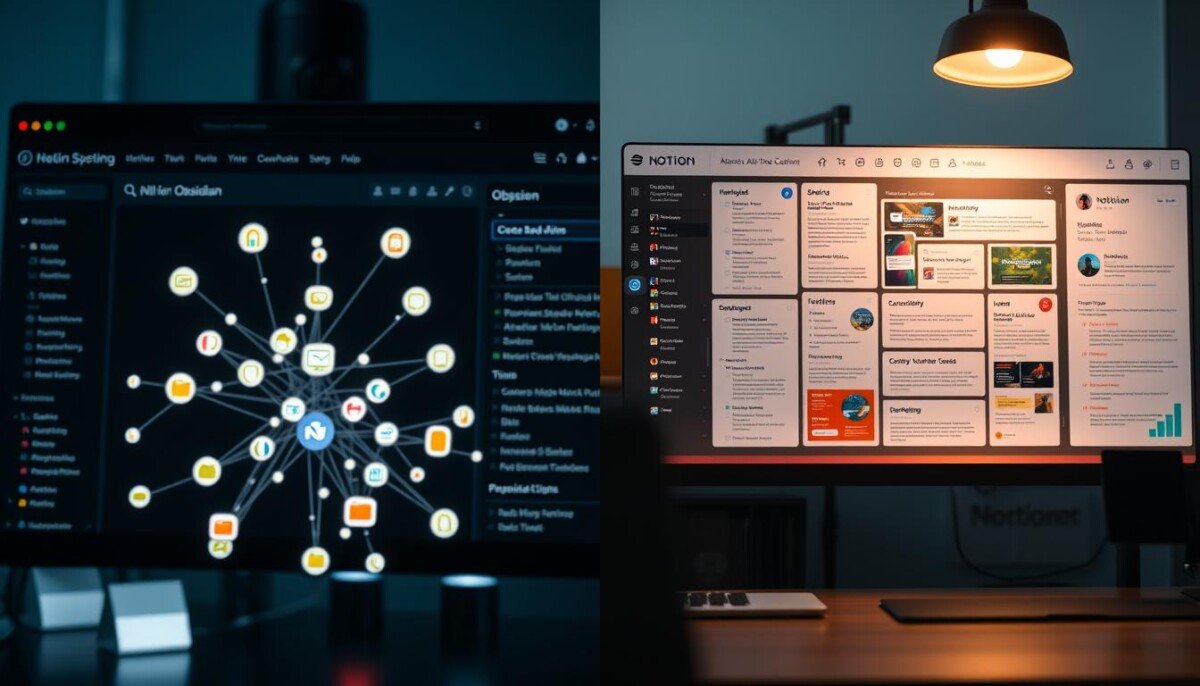
Can a better tool really turn a messy pitch into a closed deal? We asked that question while testing 11 top platforms for 2026, including GetAccept, PandaDoc, and Proposify.
We found that the right solution helps sales teams create, send, track, and manage business proposals without relying on generic editors. Centralized content libraries and polished templates keep branding tight and reduce errors.
Our hands-on review focused on core functionality, pricing, integrations, and real-time tracking. We checked e-signatures and analytics to see how each product supports complex sales processes and client interactions.
By choosing the best proposal software for your needs, your team can save time and focus on closing deals instead of formatting documents. Below is a quick visual to set the scene.
Key Takeaways
- We tested 11 top platforms in 2026 to find the best fit for sales teams.
- Dedicated tools improve proposal creation, brand consistency, and speed.
- Core criteria: functionality, pricing, integrations, tracking, and analytics.
- Central content libraries and templates cut review time and errors.
- Top platforms we reviewed include GetAccept, PandaDoc, and Proposify.
Why Sales Teams Need Proposal Automation Software
Effective proposal tools turn repetitive paperwork into meaningful conversations that move deals forward. We see teams shift from manual drafts to structured workflows and get cleaner results with less effort.
The Impact on Win Rates
Numbers matter. Our Digital Sales Report shows 79% of revenue leaders want higher win rates. Yet 33% of sales teams still work without a dedicated platform.
- Centralized content libraries keep brand and facts accurate.
- Real-time tracking and analytics reveal how a client reads and interacts with documents.
- Interactive pricing and e-sign features speed final decisions.
Saving Time with Automation
Teams that adopt these tools report saving up to 70% of the time previously spent on proposal creation. That frees reps to sell more and improves follow-up timing.
For teams exploring how to modernize workflows, check our digital sales automation guide for practical next steps and planning tips.
Core Features to Look for in Proposal Platforms
We look for platforms that make proposal creation fast, consistent, and measurable. The right feature set reduces errors and keeps your sales team aligned with brand and pricing rules.
Content Libraries and Templates
Central libraries store approved case studies, bios, and pricing snippets so reps reuse accurate content. Professional proposal templates cut formatting work and keep every document on-brand.
CRM Integration Capabilities
Native CRM sync is essential. When fields auto-populate and status updates push back to the deal, we avoid double entry and stay aligned across systems.
Real-Time Analytics
Real-time tracking shows which sections clients review and for how long. That insight helps us follow up with targeted questions and speed decisions.
- Built-in e-signatures that are legally binding and mobile-friendly.
- CPQ or interactive pricing to handle options and automatic calculations.
- Bi-directional integrations to keep a single source of truth.
How We Evaluated the Top Tools
We rebuilt real proposals from scratch to measure how each platform performs in daily sales work.
Our team spent over 45 hours testing 11 leading options, including GetAccept, PandaDoc, Proposify, Qwilr, Better Proposals, Oneflow, DealHub.io, Conga, Proposally, Proposable, and Prospero.
We judged each product on creation speed, ease of use, and depth of automation features that help businesses scale. That included drag-and-drop editors, automated pricing tables, and content library management.
We also checked client-side interactions: document tracking, e-signatures, and real-time communication tools. These elements show how well a platform supports closing deals.
- Hands-on builds to test template flexibility and design handling.
- CRM integrations and workflow tests to reduce double entry.
- Support and onboarding reviews to judge time-to-value for teams.
GetAccept for Advanced CRM Integrations

For teams that need deep CRM ties, GetAccept bridges document activity and pipeline records in real time.
GetAccept is a Digital Sales Room platform designed to turn static documents into interactive client experiences. It integrates natively with Salesforce, Microsoft Dynamics, HubSpot, and Pipedrive to keep deal records current as prospects engage.
Key Product Highlights
- Engaging proposals: embed video, links, and images so documents feel like conversations.
- Bi-directional integrations: CRM fields update automatically based on how clients interact with your document.
- Live chat and real-time tracking: answer questions inside the DSR and see which sections clients focus on.
- Flexible content editor: supports uploaded PDFs and dynamic documents for varied creation needs.
- Robust analytics: detailed views help us time follow-ups and improve conversion.
- Market validation: over 1,000 verified reviews on G2 reflect strong results for larger sales teams.
Bottom line: if your team depends on tight CRM workflows and clear tracking, GetAccept speeds proposal management and keeps client data synchronized across platforms.
Proposify for Streamlined Template Management
Proposify shines when teams need a fast, consistent way to craft client-ready documents.
Rich template libraries keep content accurate and branding uniform across every document. That cuts review time and reduces errors for growing sales teams.
The drag-and-drop editor speeds proposal creation so reps spend minutes, not hours, on layout and copy. Built-in CPQ tables auto-calculate totals and keep pricing reliable.
- Native integrations with Salesforce and HubSpot connect proposals to CRM records and tracking.
- Customizable preview buttons support global clients by changing language per view.
- Commenting tools let us iterate internally before a document reaches a client.
Why it matters: with nearly 1,000 verified reviews on G2, Proposify ranks highly for template management and ease of use. It helps teams eliminate bottlenecks so they can focus on closing deals rather than formatting.
PandaDoc for Enterprise Document Workflows

We rely on platforms that keep complex processes simple and traceable for large sales teams. PandaDoc offers a unified platform that guides documents from creation to final signature with clear checkpoints.
Enterprise Workflow Benefits
PandaDoc centralizes content and templates so teams produce consistent proposals without heavy manual work. A robust content library lets us reuse approved sections and control versioning.
The platform includes legally binding e-signatures that meet ESIGN and UETA standards and use private encryption keys for added security.
- Native integrations with 15+ CRM platforms to auto-fill fields and speed creation.
- Drag-and-drop editor and interactive pricing tables for tailored proposals that convert.
- Analytics and tracking that show how a client interacts with documents so we time follow-ups better.
With 3,000+ verified reviews on G2, PandaDoc remains a market leader for enterprise proposal management. It helps businesses reduce handoffs, centralize storage, and shorten approval cycles.
Qwilr for Design-Focused Sales Teams
For teams that prize design, Qwilr turns static documents into interactive pages that boost client engagement.
Qwilr lets us add motion, video, and custom content blocks so each proposal reads like a polished microsite. Its CPQ pulls product SKUs from our CRM, which reduces manual entry and improves pricing accuracy.
Engagement tracking uses an algorithm to flag prospects who are actively reading and interacting. Built-in analytics show which sections hold attention and help us time follow-ups better.
- Reusable content library to keep brand and messaging consistent.
- AI document generation to speed initial creation and get reps started.
- Interactive elements that make pricing and options easier to explore.
With more than 800 verified reviews on G2, Qwilr is a top choice for sales teams that need visually driven proposals and clear client tracking.
Better Proposals for Rapid Setup

Better Proposals gets teams up and running fast with a guided setup that cuts onboarding friction.
We found the platform starts at $19/month, making it an affordable option for small sales teams. The guided flow walks us from template selection to final send, which speeds proposal creation without heavy training.
The product integrates with HubSpot to sync deal stages and pulls contact info to auto-fill fields. Live chat support lets reps engage clients in real time while they review proposals, improving follow-up timing and conversion.
Content blocks live in a central library so our team reuses branded sections and maintains consistency. Some users note occasional speed lags, but overall the platform offers strong value for time-strapped teams.
| Feature | Availability | Benefit |
|---|---|---|
| Starting price | $19/month | Low entry cost for small teams |
| HubSpot sync | Yes | Auto-update deal stages and contact autofill |
| Live chat | Integrated | Real-time client conversations during review |
| Content library | Reusable blocks | Consistent branding and faster edits |
| Best for | Small to mid sales teams | Rapid setup and cost-effective proposal management |
For teams weighing options, we also recommend checking our broader reviews and comparisons at project management reviews to align tool choice with internal workflows.
Oneflow for Contract Lifecycle Management
Oneflow centralizes contract work so teams can move from draft to signature without losing context.
We use Oneflow when we need more than simple proposal creation. It is a contract lifecycle management platform that helps sales teams create, collaborate, sign, and archive contracts in one place.
Oneflow uses HTML-based documents that remain editable after sending. That means templates render cleanly on phones, tablets, and desktops and can be adjusted during negotiation.
We set roles — signer, viewer, influencer — and define signing order for each agreement. The “My turn to sign” filter keeps our queue clear so nothing stalls the deal.
- CRM integration: native Microsoft Dynamics sync lets us send, store, and reference signed agreements inside the CRM.
- Unified records: fewer scattered emails and simpler archival reduce administrative overhead.
- Lifecycle focus: the platform supports drafting, negotiation, signing, and storage in one flow.
For teams that want to manage the entire sales agreement lifecycle, we recommend checking Oneflow’s details directly at Oneflow. It streamlines process, saves time, and keeps contracts organized for our sales and legal teams.
Additional Notable Software Options
Smaller teams and solo creators often need lean solutions that deliver polished documents without a long learning curve.
Tools for freelancers
For freelancers and small teams we recommend Proposally.ai for AI-driven proposal creation that speeds drafts and keeps costs low. Prospero offers sleek, drag-and-drop templates so users make professional documents fast.
Budget-friendly alternatives
Proposable works well for startups that want simple templates and e-sign features at a competitive price. Many of these options provide free trials or limited plans so you can test features before committing.
For sales ops that need CPQ and complex contract flows, DealHub is a strong pick. Conga still leads for enterprise CPQ and deep CRM integration when teams require advanced contract management.
- Freelancers: Prospero, Proposally.ai — low learning curve.
- Startups: Proposable — templates and e-sign at a fair price.
- Enterprise: DealHub, Conga — CPQ and contract management.
| Use case | Recommended option | Key benefit |
|---|---|---|
| Solo creators | Prospero | Fast, design-forward templates |
| Small teams | Proposally.ai | Affordable AI-assisted creation |
| Ops & enterprise | DealHub / Conga | Advanced CPQ and contract management |
Next step: explore these options and compare features against your pricing and management needs. For an agency-focused look at streamlining the pitch process, see our guide on an automation solution for agency proposals.
How to Choose the Right Solution for Your Business
Start by mapping how your current tech stack, CRM, and team workflows will actually work together.
First, verify integrations. We check whether a candidate platform syncs with our CRM and other core apps without heavy custom work. That prevents duplicate entry and keeps deal data reliable.
Next, judge ease of use. If the interface is too complex, adoption drops. We prioritize intuitive editors, clear templates, and quick onboarding so reps start sending native-looking proposals fast.
Look for automation that saves time: central content libraries, variable placeholders, and approval routing cut manual steps. Test how the document renders on phones and tablets so clients can review and sign easily.
Collaboration and pricing matter too. Confirm real-time commenting, role controls, and a pricing model that matches monthly volume. Decide if you need a dedicated proposal product or a broader small-business suite with invoicing and project management.
Finally, use free trials. We run real deal tests during the trial to validate workflow fit before committing.
| Plan | Fit | Why |
|---|---|---|
| Entry | Small teams | Low cost, faster setup |
| Mid | Growing sales | Templates, CRM sync |
| Enterprise | Complex workflows | Advanced management, approvals |
Final Thoughts on Scaling Your Sales Process
Scaling sales means choosing a platform that supports more deals while keeping processes simple and repeatable.
We prioritize clear management so our teams stay productive as volume grows. Good management reduces handoffs and keeps owners accountable.
Choosing the right platform and sensible pricing helps us avoid manual bottlenecks and maintain consistent client experiences.
Investing in a fit-for-purpose solution today pays off with faster closes, fewer errors, and more predictable growth for our teams.
For tool comparisons and real-world ROI benchmarks, see our project management reviews to help decide what fits your workflow.