Have you ever wondered how companies ensure their software solutions meet the highest standards of security and compliance? In today’s digital landscape, understanding the essentials of software as a service is crucial for businesses. With 99% of companies relying on these platforms, the way we define our needs directly impacts our success.
At our organization, we take a meticulous approach to establish our requirements. By analyzing the intricate relationship between user needs and data protection, we create solutions that prioritize privacy and security. Our focus on cloud-native architecture allows us to adapt quickly to evolving market demands while ensuring that our systems remain compliant with global regulations.
As we navigate this complex environment, we integrate essential compliance frameworks into our development lifecycle. This not only protects sensitive information but also mitigates risks for the businesses we serve. Curious to learn more about how to secure your cloud storage? Check out this helpful guide on securing your cloud storage account.
Key Takeaways
- Understanding software needs is vital for business success.
- Security and compliance are top priorities in our solutions.
- Cloud-native architecture keeps us competitive.
- Privacy and data protection are central to our approach.
- Continuous monitoring of regulations ensures compliance.
Our Comprehensive Approach to saas requirements
Understanding how businesses adapt to the changing landscape of software as a service is essential for growth. The SaaS model has evolved significantly, with 99% of companies now relying on SaaS tools for their daily operations. This shift necessitates a robust methodology for defining user needs and ensuring that our platforms remain scalable and secure.
Our approach involves a deep dive into the specific needs of our users. We implement rigorous security measures and controls to protect client data, ensuring compliance with the highest industry standards. Here are some key practices we follow:
- We observe FinOps best practices from the early stages of development to ensure scalability.
- Our teams collaborate closely with providers to align our software development lifecycle with global compliance regulations.
- We integrate robust frameworks that effectively manage risk while delivering high-quality services.
- Continuous refinement of our internal policies helps us stay ahead of emerging security threats.
Integrating Data Protection Regulations and Compliance Best Practices

In today’s data-driven world, understanding the implications of data protection regulations is crucial for any business. Compliance with laws like the GDPR and CCPA is not just a legal obligation; it’s a commitment to our users’ privacy and security.
We ensure our software solutions strictly adhere to the data protection regulation standards, including the stringent requirements set forth by the GDPR for all users. Our team implements comprehensive data protection strategies that align with the California Consumer Privacy Act to safeguard the privacy of our clients’ information.
Recognizing that a single data breach can lead to fines of up to €20 million under GDPR, we prioritize security in all our systems. By following best practices, we help our clients manage risk and ensure that their platforms remain secure against unauthorized access and potential threats.
To maintain the trust of the companies we serve globally, our compliance programs are designed to meet the specific needs of organizations. We integrate automated monitoring and logging to ensure that our services remain compliant with the latest data laws and protection regulation requirements.
Securing Your Cloud Infrastructure with Best Practices
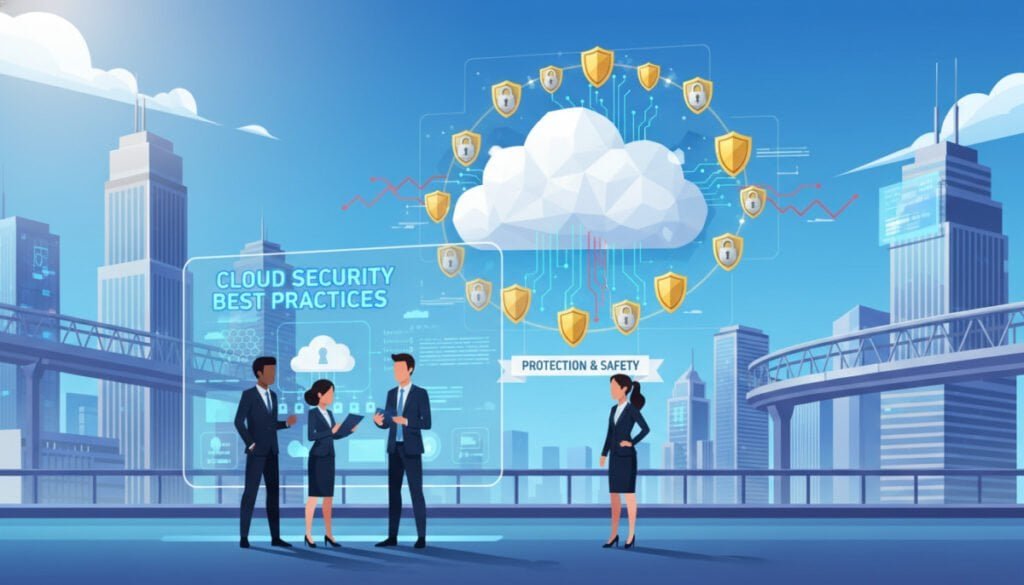
Ensuring robust security measures for cloud infrastructure is essential for all organizations. We secure our cloud platforms by diversifying data centers, which helps maintain the 99.99% availability that our users expect from our software services.
Our team implements strong security measures to protect data both at rest and in transit. This ensures that our cloud systems remain resilient against cyber threats.
By utilizing hybrid data centers, we provide clients with the flexibility and performance required to run their business operations without interruption. Our security teams continuously monitor our cloud infrastructure to detect and respond to potential risks, ensuring the integrity of our information systems.
We integrate compliance frameworks into our cloud architecture to meet the rigorous standards required by enterprise-level organizations. Regular audits and strict access controls are part of our approach to protecting user privacy.
For more information on securing your cloud storage, check out this helpful guide on securing your cloud storage account.
Strategic Identity and Access Management for Robust Security
In a world where data breaches can cost companies an average of $4.4 million, prioritizing identity and access management is crucial. Our commitment to security involves implementing robust measures that ensure only authorized users can access sensitive information.
We employ Multi-Factor Authentication (MFA) and Role-Based Access Control (RBAC)) as fundamental practices. These protocols help us maintain strict control over who accesses our software platforms. Additionally, we continuously monitor access control systems to detect any suspicious activity, thereby protecting our clients’ data from unauthorized access.
By enforcing strict access policies, we help organizations reduce their security risk while ensuring compliance with global data protection standards. Regular reviews of user permissions are conducted by our security teams to align with the principle of least privilege.
Our dedication to providing clients with the necessary tools and frameworks enhances the overall security of their business operations. With advanced monitoring and logging, we ensure full visibility into data access, fostering trust and compliance.
| Security Measure | Description | Benefits |
|---|---|---|
| MFA | Requires multiple forms of verification | Increases security against unauthorized access |
| RBAC | Access based on user roles | Minimizes exposure of sensitive data |
| Continuous Monitoring | Real-time tracking of access | Quick detection of suspicious activities |
Navigating Financial and Legal Aspects of SaaS Solutions

Navigating the intricate landscape of financial and legal compliance is vital for software companies today. Our commitment to meeting various regulations ensures that our solutions are both secure and reliable.
We prioritize compliance with critical data protection regulation standards such as PCI DSS v4.0 and GDPR. This commitment helps us manage our legal obligations effectively.
Understanding that violations can lead to hefty penalties, like HIPAA’s potential fines of up to $1.9 million, we take compliance seriously. Our services include comprehensive audits to ensure our clients’ systems align with financial reporting standards.
Additionally, we integrate SOX-aligned controls to guarantee the integrity of financial information. This approach helps mitigate risks associated with non-compliance and fosters trust among our users.
| Regulation | Potential Penalty | Compliance Requirement |
|---|---|---|
| PCI DSS v4.0 | Varies by violation | Updated authentication measures |
| HIPAA | Up to $1.9 million | Data protection measures |
| SOX | Varies | Controls over data access |
Optimizing Scalability, Performance, and Cloud-Native Architecture
In an era where digital transformation shapes business landscapes, understanding the architecture of our software is essential. We focus on optimizing our solutions for scalability, ensuring they meet the needs of large organizations effectively.
Our cloud-native architecture guarantees that our services remain performant and reliable, even as user numbers and data volumes grow. This approach is vital for maintaining the highest standards of security and compliance.
To achieve this, we implement a microservices architecture, which allows for loosely coupled components. This design minimizes single points of failure and enables rapid scaling. Following the advice of experts like Jennifer Clark from Hyatt, we maintain a comprehensive library of all applications for full audit readiness.
Additionally, our teams utilize hybrid data centers to provide the flexibility and performance modern businesses require. By centrally managing our software life cycles, we reduce the risk of cyber incidents, ensuring our systems remain secure and efficient.
Our commitment to performance optimization helps clients achieve their business goals while adhering to data protection and privacy standards. We continuously monitor our cloud infrastructure to identify opportunities for improvement, keeping our software at the cutting edge of technology.
| Optimization Strategy | Description | Benefits |
|---|---|---|
| Microservices | Loosely coupled components for scalability | Minimizes failure points and enhances performance |
| Cloud-Native Architecture | Ensures reliable service delivery | Handles increased user demand effectively |
| Hybrid Data Centers | Combines flexibility with performance | Supports global business operations seamlessly |
For more insights on cloud-native architecture, check out the benefits outlined here.
Adopting DevSecOps and Continuous Monitoring Strategies
As digital landscapes evolve, the need for comprehensive security measures in software development has never been more pressing. We adopt DevSecOps strategies to integrate security into every stage of our software development lifecycle. This ensures that our platforms are secure by design and ready to meet the demands of our users.
Our team utilizes automated testing to identify vulnerabilities early, helping us maintain the high security standards required by our global clients. Continuous monitoring of our systems allows us to detect and respond to incidents promptly, ensuring our services remain resilient against potential threats.
We regularly test our incident response plans to effectively manage and mitigate risk in the event of a security breach. Detailed security logs capture authentication events and privileged user actions, demonstrating compliance with data protection and privacy regulations.
By integrating DevSecOps, we empower our developers to build secure software that meets the complex needs of modern organizations. Our commitment to continuous monitoring ensures that our platforms remain compliant and secure, protecting the information of our users at all times.
| Strategy | Description | Benefits |
|---|---|---|
| DevSecOps | Integrates security into the development lifecycle | Ensures platforms are secure by design |
| Automated Testing | Identifies vulnerabilities early | Reduces human effort and costs |
| Continuous Monitoring | Tracks system performance and security | Enhances incident response capabilities |
For more insights on DevSecOps practices and their importance, explore this resource.
Wrapping Up Our Insights and Future Directions
As we look to the future, understanding the evolving landscape of software compliance is essential for our success. We have explored the critical importance of compliance and how it serves as a foundation for secure software development.
Our guide highlights the essential practices that software companies must follow, including PCI DSS and various privacy act regulations that protect user data. By implementing robust security measures and adhering to compliance requirements, we ensure that our platforms remain trusted by our global clients.
We emphasize the role of providers in maintaining high standards for consumer privacy and data protection across all their software services. Our future directions focus on evolving our frameworks to meet the changing needs of users and the increasingly complex regulatory landscape.
We remain committed to helping businesses navigate the challenges of compliance, ensuring they can operate securely and efficiently in the cloud. Our insights provide a roadmap for organizations looking to strengthen their security posture and achieve long-term success in the software industry.