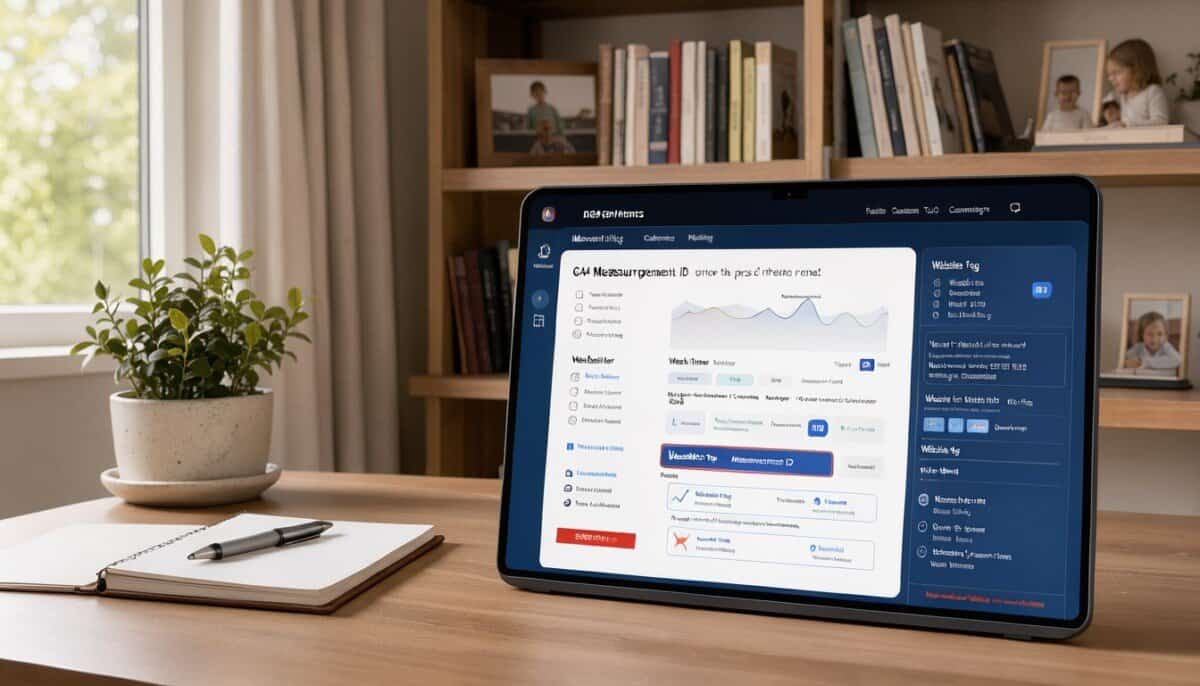
A view count not refreshing YouTube often reflects delayed verification or a stale display, not ignored viewers.
A mismatch can feel worrying when you track a channel or plan around a video’s reach. A short wait alone does not prove that YouTube rejected activity. A co-view is an estimated view by people watching together on a TV screen.
Use the right measure for your question, then give a delayed public number time to update. A temporary pause is not proof of a lost view. If a count stays out of step for days, you can gather details for support.
Key Takeaways
- A paused public count may reflect review or a stale display.
- The public count records exposure, not every detail of viewing.
- YouTube Studio reports measures that answer different questions.
- Repeated reloads do not make validation finish faster.
- Keep the public and Studio figures if an issue lasts days.
Public View Rules Across YouTube Formats
A Short, a long-form upload, and a live stream all use the same public playback-start trigger. Playback start means the public count can rise when a video begins, without waiting for a set watch time.
Since August 24, 2026, YouTube has used playback starts for public views across these formats. Beginning in November 2026, public counts also include estimated co-views by people watching together on TV screens.
That is different from the old 30-second assumption. The current public counter does not require a viewer to watch at least 30 seconds. The change is described in coverage of YouTube’s public view-count change.
| Format | Public view trigger | TV co-view treatment |
|---|---|---|
| Shorts | Playback starts | Estimated co-views included beginning November 2026 |
| Long-form videos | Playback starts | Estimated co-views included beginning November 2026 |
| Live streams | Playback starts | Estimated co-views included beginning November 2026 |
A co-view is an estimate of people watching together, not a promise that YouTube identified each person in the room. One TV may show a shared viewing event without revealing exactly who watched.
That makes public view counts useful for tracking exposure across formats. They do not show how long every person watched or whether each person stayed to the end.
Read a public count as exposure, not as a record of how long every person watched.
Why Is Your View Count Not Refreshing YouTube?
A public number can pause while YouTube checks whether the activity looks genuine. If your views are not updating on YouTube, review timing or an older display can explain the gap.
Checking activity can take several hours or days, so real-time viewing and the visible count may not match during review. A delay by itself does not show that the video has a policy issue. It also does not prove that all pending activity will be added.
Verification Can Pause the Public Number
YouTube may hold or slow a public update while it checks for genuine activity. The review can make the count look still even as people watch the video.
That gap can be unsettling when you check a new upload soon after it goes live. A public view count is not a live record of every play as it happens.
A changing number may also differ from what you see in reports. Creators who track Shorts can use YouTube Shorts analytics tools to review other performance measures, such as watch time and retention.
Cached Pages and Different Update Schedules
A cached page or regional server can show an older number than another display. Your browser may keep the count from an earlier visit even when another view has changed.
The public page and YouTube Studio reports may not update on the same schedule. That means two figures can differ without either one showing the full picture at that moment.
Compare the figures over time rather than treating one brief mismatch as a final result. A few hours or days of delay is a reason to monitor the figures, not to manufacture extra plays.
Check the Count Without Inflating It
If only one screen looks behind, test the display before changing the upload. One clean comparison can help show whether the issue is local or wider.
Refreshing checks what your screen shows, not whether a view is valid. Repeated reloads will not force YouTube to change a count or speed up its checks.
Compare the Public Page and Studio
Try these checks in order, and note whether the figures match after each one.
- Reload the public video page once.
- Compare its number with YouTube Studio.
- Open the page in a private browser window or another browser.
- Check the same page on another device.
If the number changes in a private window but not your usual browser, that points to a display difference. You can also compare the page with a browser that does not share the same saved data.
Rule Out a Stale App or Browser
On iOS, update the YouTube app if its view count still looks old. Clear the browser or app cache only if the display remains stale after the basic checks.
Cache steps differ by app and device, so avoid removing saved app data unless you understand what it will erase. For separate Facebook playback problems, this guide covers Facebook Reels playback and browser checks.
Another Facebook guide explains how to address missing Reels and app cache issues, but its steps apply to Facebook, not YouTube.
Record which displays disagree so you can tell whether the issue is local or wider.
Read YouTube Studio Metrics Correctly

YouTube Studio and the public page can show different figures because they report distinct measures. The right metric depends on whether you need exposure, shared viewing, or an estimate of people.
The public view count tracks exposure, while unique reach estimates individual people. “Views (Co-viewed)” includes estimated co-views, and YouTube makes it available in Insights Advanced Mode until May 2027.
| Metric | What it measures | Shared-TV treatment |
|---|---|---|
| Public view count | Public exposure count | Includes estimated co-views beginning November 2026 |
| Views (Co-viewed) | Views including estimated co-views | Includes estimated TV co-views |
| Unique reach | Estimated individual people | Accounts for shared viewing on YouTube TV and the main YouTube app on TV |
Views (Co-viewed) is a Studio measure, not a list of named viewers. A report on YouTube’s Views (Co-viewed) metric describes the estimate and how it differs from unique reach.
Unique reach estimates how many individual people saw a video or channel. It accounts for shared viewing on YouTube TV and the main YouTube app on TV, but it does not identify those people.
These figures answer different questions, so avoid treating them as equal totals. For another example of reading platform measures on their own terms, see this guide to diagnosing a sudden Facebook Page reach drop.
Use unique reach when you need an estimate of people, not playback starts.
How YouTube Filters Repeated or Artificial Views
A genuine replay can count, but repeated refreshes or automated plays are not a reliable way to add views. Natural viewing is different from trying to push a number up.
YouTube can filter automated or spammy activity, including repeated refreshes. A real person returning to watch a video may count differently from someone reloading or looping it to raise the total.
Genuine Replays Are Different From Refresh Loops
A viewer may choose to watch a favorite video again. That is not the same as repeatedly reloading a page or setting a video to play in a loop for extra views.
Repeated plays are not guaranteed to count separately. The count is not a promise that every play, even one by a real person, will add another view.
A like or comment shows that someone interacted with the content. Neither one proves that YouTube validated the play tied to that interaction.
Avoid Bots and Artificial Traffic
Keep growth efforts focused on real viewers who choose to watch. Avoid these methods, which can create activity YouTube may filter:
- Bots or scripts that start or repeat plays.
- Rapid refreshes meant to raise the count.
- Repetitive loop playback used to add views.
- Purchased or otherwise artificial traffic.
These tactics do not offer a dependable way to build a channel. A high number from artificial activity may not reflect people who chose to watch your video.
Let viewers choose to watch again naturally instead of asking them to repeat a play to raise the number.
Public Views and YouTube Partner Program Eligibility

The public counter does not set your YouTube Partner Program earnings or eligibility. A higher public total does not, by itself, mean higher earnings or a stronger eligibility result.
Earnings use engaged views or watch hours, while eligibility uses qualified views or watch hours. These measures serve different purposes from the public count.
If you run a channel as a business, choose the Studio measure that fits the decision. A public total can help you track exposure, but it is not an earnings estimate.
Keep this difference in mind when you review a video after its public number changes. A rise or pause in that total does not replace the measures tied to creator earnings or YPP eligibility.
Use the relevant Studio figures when you plan content, review results, or make business choices. The most visible number is not always the one that answers your question.
Check the measure tied to the decision you need to make, not just the most visible total.
When to Contact YouTube Support
Contact YouTube if the public count remains inconsistent after several days and your basic display checks are complete. A lasting mismatch is a better reason to report an issue than a brief pause.
Include the video URL, the time period, and both public and Studio figures. Those details give support a clear view of what you saw and when it began.
Before sending a report, write down these four details:
- The video URL.
- When the number stopped changing.
- The public count.
- The matching YouTube Studio figure.
Use the same time period for both figures so the comparison stays clear. If one number changes while you prepare the report, note the new value and its time.
A report does not guarantee an immediate reply or a specific count change. Keep a dated note of the two figures before you submit the report.
Conclusion
A paused public number is not, on its own, a sign that your channel has a problem. Review or display timing can explain a count that has not changed yet.
Choose the metric that fits your decision, whether you are checking exposure, reach, or business results. Do not treat one public total as a full record of every viewer or play.
If the difference remains, keep a clear note of what each display shows and when you checked it. That record can help you describe the issue to support without guessing.
Compare the public page with YouTube Studio once, note the time, and give the count a little room to update.