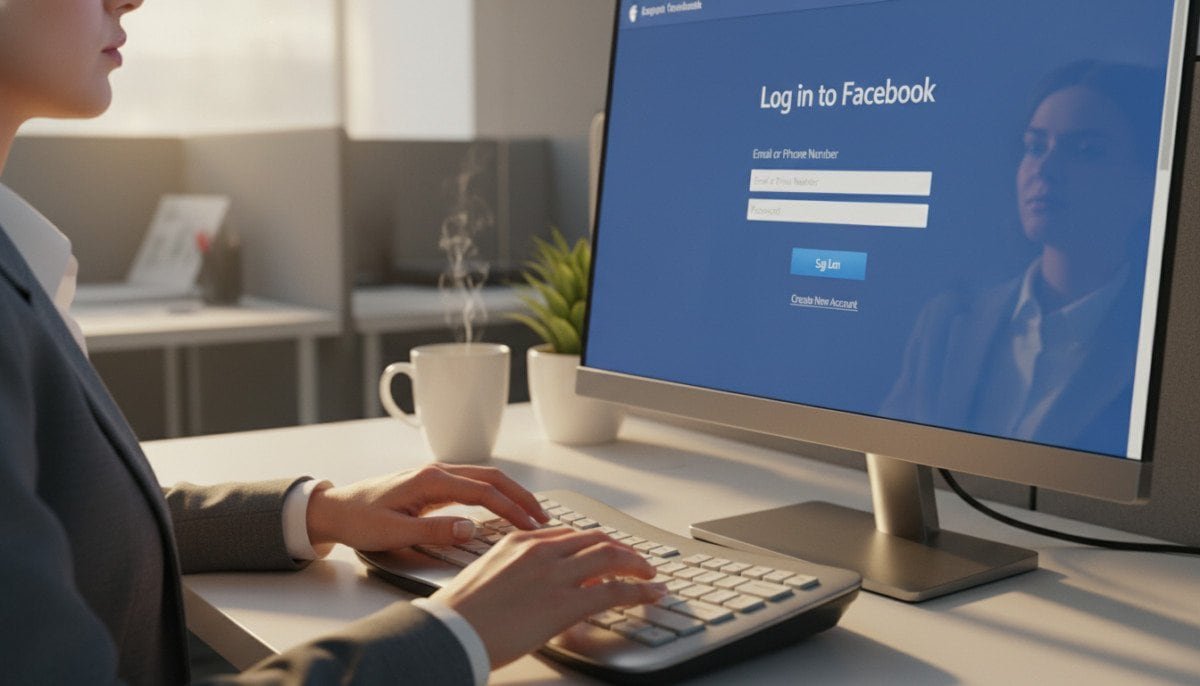
Have you ever wondered why your social platform signs you out at the worst possible moment? We feel your frustration when an app or browser ends a session mid-task. In 2026, Meta’s AI-driven security changes have increased sudden logouts for many users.
These interruptions can pause business updates, block access to messages, and disrupt profile work across devices. We will show simple fixes that protect your account and keep your session stable.
In this guide, we walk through clearing cache and cookies, updating the app from the app store, and tightening security settings. Our steps help prevent unauthorized access without sacrificing convenience.
Stick with us and you’ll learn how to manage sessions across phones and web browsers, adjust login options, and reduce the time you spend re-entering your password.
Key Takeaways
- Meta’s 2026 security updates cause more frequent logouts.
- Clearing cache and cookies often restores stable sessions.
- Keep the app updated from the app store to avoid known issues.
- Adjust security and privacy settings to prevent unauthorized access.
- Use consistent login credentials across devices to reduce conflicts.
Understanding Why Facebook Keeps Logging Me Out
Sudden sign-outs often occur when the system detects a mismatch in your browser fingerprint or IP address. In 2026, Meta rolled out AI-driven security that treats small differences as potential threats.
When an app or browser stops renewing a valid session token, the service forces a logout to protect your data. Even minor system glitches can trigger mass logouts for thousands of users at the same time.
Common triggers include cached data that no longer matches current settings, an expired cookie, or a flagged password found in a breach database. The security system may then sign out all devices tied to that account.
- Browser or app token failures cause immediate logout.
- AI security flags unusual device or network patterns.
- Compromised passwords force a global session reset.
We recommend reviewing login settings, clearing cache and cookies, and updating the app or browser to reduce conflict. For extra help, see our account login help guide for step-by-step fixes.
Common Security Triggers and Account Activity

Automated protections may end our session if they spot a login from a new location or unknown device.
Unusual Login Locations
Logging into our account from a new city or country can trigger an immediate security logout. This happens because the system treats sudden location changes as a possible threat.
Data breaches from 2024–2025 also matter. If our password matches leaked credentials, the platform may invalidate all active sessions to protect our profile.
Unauthorized Access Attempts
Unknown devices or failed sign-in attempts often cause the service to terminate our session to stop potential theft.
We should monitor login activity in settings and remove any unrecognized devices. Enabling two-factor authentication adds a layer that helps the system recognize trusted devices and lowers false flags.
- Share accounts across many devices cautiously; multiple active sessions can confuse verification.
- Use a unique, strong password and update it if your credentials appear in breach reports.
- Check recent access logs regularly so we spot suspicious attempts in time.
Browser and App Data Conflicts
When app storage or browser data gets corrupted, our session can end without warning. These conflicts often hide in small files that hold login tokens and preferences.
Clearing Cache and Cookies
We often find that clearing our browser cache and cookies is the fastest fix for login errors on the web. Go to your browser settings and choose clear cache or clear browsing data.
Updating Outdated Software
Outdated apps or web versions can fail to store session tokens. We recommend updating the facebook app and other apps from the app store to apply security patches and reduce conflicts.
Third-Party Extension Interference
Extensions that block trackers or auto-delete cookies can remove session data. Disable extensions briefly and test access. Also check phone app cache; corrupted app cache on a phone can cause repeated logouts.
| Problem | Likely Cause | Quick Fix | Time |
|---|---|---|---|
| Repeated web logouts | Expired cookies or full storage | Clear cache and cookies; free storage | 5–10 min |
| App loses login | Corrupted app cache or outdated app | Clear app cache; update app | 5–15 min |
| Sessions removed on close | Browser set to clear browsing data | Adjust privacy settings; allow cookies | 2–5 min |
Network Stability and IP Address Issues

Frequent IP changes confuse security checks and can end our active session. A rapid switch between Wi‑Fi and mobile data often makes the system treat our connection as a new device. That triggers a protective logout to protect the account.
We should avoid hopping networks during important tasks. Using a VPN can also change IPs constantly. That behavior can make the facebook app flag our facebook account as suspicious.
Public Wi‑Fi can assign a shared IP that may already be flagged. Check your phone and browser settings to ensure no proxy or unusual route interferes with login. Stay on one network for several hours to test if the logout issue stops.
- Keep a stable connection when possible to protect sessions.
- Disable VPNs briefly if you see repeated logout problems.
- Confirm proxy and network settings in device and browser menus.
| Network Type | Common Problem | Quick Action |
|---|---|---|
| Mobile data ↔ Wi‑Fi switching | Session drops due to IP change | Stay on one network; retry login |
| VPN / Proxy | Frequent or masked IPs look suspicious | Turn off VPN; use trusted servers |
| Public Wi‑Fi | Shared IPs may be flagged | Use private network or mobile hotspot |
Managing Multiple Accounts for Business Professionals

We run several profiles for clients and know that mixing personal and work data can break sessions fast. A clear, professional setup reduces friction and keeps our workflows steady.
Using Anti-Detect Browsers
We often use MoreLogin, an anti-detect browser that isolates digital fingerprints. This lets us manage multiple facebook accounts for our business work without tripping security algorithms.
- Each account gets its own profile and isolated session data to avoid cookie cross-contamination.
- Dedicated environments reduce the chance that a single corrupted token will log us out of all accounts.
- We can run concurrent ad campaigns and monitor pages while keeping app sessions stable.
For app management, combine isolated browsers with clean settings and regular updates. We also use the official Meta Business Suite app for page control and team access: Meta Business Suite.
When tagging or troubleshooting profile links, see practical fixes in our tagging guide: tagging help. This workflow keeps our accounts reliable and reduces unexpected session resets.
Essential Steps to Secure Your Session
A few quick security steps will cut the number of unexpected sign-outs and save us time.
Start with a strong password. We must use a unique password of at least 12 characters to guard our account and reduce forced logouts.
Clear cache and cookies regularly. Removing corrupted data from your browser and app cache often fixes session expiry issues fast.
- Review security settings and remove unrecognized devices so only trusted devices have access.
- Enable two-factor authentication to stabilize our session when we switch devices or networks.
- Use a password manager to store credentials and avoid repeated manual login attempts.
- Keep the app and browsers updated to prevent storage or compatibility problems.
- Check active sessions in settings to spot and remove suspicious access quickly.
Need help restoring access? See our facebook account help for step-by-step fixes.
Maintaining a Stable Connection for the Future
We keep a steady session by treating device and app care as simple routine tasks. Update your app and system software to prevent compatibility issues. Small updates often stop strange logout behavior before it starts.
Clear cache and cookies regularly to remove corrupted data that breaks a session. Use a trusted device and avoid public computers or unknown networks when you need reliable access to your facebook account.
Review security settings and save trusted devices so two‑factor checks happen less often. For extra steps and troubleshooting, see our troubleshooting guide and the account access help.
Follow these habits and you’ll reduce interruptions and spend less time on login problems. We hope this helps you use facebook without the constant worry of a sudden logout.