Running a one-person business in 2026 is easier than ever, but the tool landscape is also noisier than ever. Every app promises to save time, automate work, or make you look more professional. The real challenge for solopreneurs is choosing a small, reliable stack that removes friction without creating another full-time admin job.
The best online tools for solopreneurs are not always the biggest platforms. They are the tools that help you sell, schedule, deliver, invoice, analyze, and protect your work with the least complexity. Whether you are a consultant, creator, coach, freelancer, educator, local service provider, or micro-agency owner, the goal is the same: build a workflow that lets you spend more time on revenue-generating work and less time chasing files, reminders, and client updates.
How to choose online tools as a solopreneur
A solopreneur tool stack should be judged differently from a team software stack. You do not need enterprise-level permissions, complex reporting hierarchies, or ten layers of approval. You need speed, clarity, automation, and enough structure to avoid losing opportunities.
Before adding any new app, ask one question: does this tool remove a recurring problem from my week? If the answer is no, it is probably a distraction.
| Selection factor | Why it matters for solopreneurs | What to look for |
|---|---|---|
| Setup speed | You cannot spend weeks configuring software | Templates, guided onboarding, simple imports |
| Automation value | Admin tasks compound quickly when you work alone | Triggers, reminders, routing, integrations |
| Integration fit | Your tools should pass information between each other | Google Calendar, Outlook, Slack, Zapier, Make, payment and CRM integrations |
| Cost control | Small monthly fees can become a large fixed expense | Clear pricing, useful free trials, easy cancellation |
| Data portability | You should not be trapped if your needs change | CSV exports, file downloads, API access |
| Security | You handle client data, passwords, contracts, and payments | MFA, role controls where needed, encryption, audit history |
If you are starting from scratch, begin with one tool for each core function: task management, calendar scheduling, documents, payments, communication, and security. Once those are stable, add automation and analytics.
For a broader starting point, you can also compare categories in our online tools list, then narrow your stack based on the workflows below.
Quick comparison: best online tools for solopreneurs in 2026
This table gives you a practical shortlist by business function. The best choice depends on your work style, but these are strong starting points for most solo businesses.
| Category | Best starting tools | Best for | Watch out for |
|---|---|---|---|
| Task and project management | ClickUp, Notion, Trello, Todoist | Organizing client work, content calendars, daily tasks | Overbuilding dashboards before you have a real process |
| Scheduling | Calendly, Acuity Scheduling, Google Calendar, Outlook Calendar | Booking calls, consultations, demos, service appointments | Forgetting buffers, minimum notice, and rescheduling rules |
| AI productivity | ChatGPT, Claude, Perplexity, Grammarly | Drafting, research, ideation, summaries, editing | Publishing AI output without fact-checking or brand review |
| Automation | Zapier, Make, Airtable Automations | Moving data between apps, alerts, lead routing, repetitive admin | Creating automations you do not document or test |
| CRM and client pipeline | HubSpot CRM, Airtable, Pipedrive, Notion | Tracking leads, proposals, follow-ups, referrals | Letting the CRM become a messy notes folder |
| Finance and invoicing | Wave, FreshBooks, Xero, QuickBooks, Stripe, PayPal | Invoices, payments, expenses, basic reporting | Mixing personal and business transactions |
| Content creation | Canva, Descript, CapCut, Adobe Express | Social graphics, short videos, tutorials, simple brand assets | Using too many templates without brand consistency |
| Social scheduling | Buffer, Metricool, Later, Hootsuite | Planning posts, tracking engagement, batching content | Automating posts without monitoring replies |
| Storage and documents | Google Workspace, Microsoft 365, Dropbox, OneDrive, pCloud | Files, contracts, shared folders, collaboration | Weak naming systems and unclear backup routines |
| Security | 1Password, Bitwarden, NordVPN, Proton VPN | Passwords, secure sharing, safer remote work | Reusing passwords or skipping MFA |
1. Task and project management tools
Your task manager is the operating system of your solo business. It should show what needs to be done, when it is due, who it is for, and what outcome it supports.
ClickUp is a strong choice if you want one workspace for tasks, docs, goals, simple CRM workflows, and time tracking. It can be powerful, but solopreneurs should start small: create one space for client work, one for operations, and one for marketing. Add custom fields only after you know what you actually need to track.
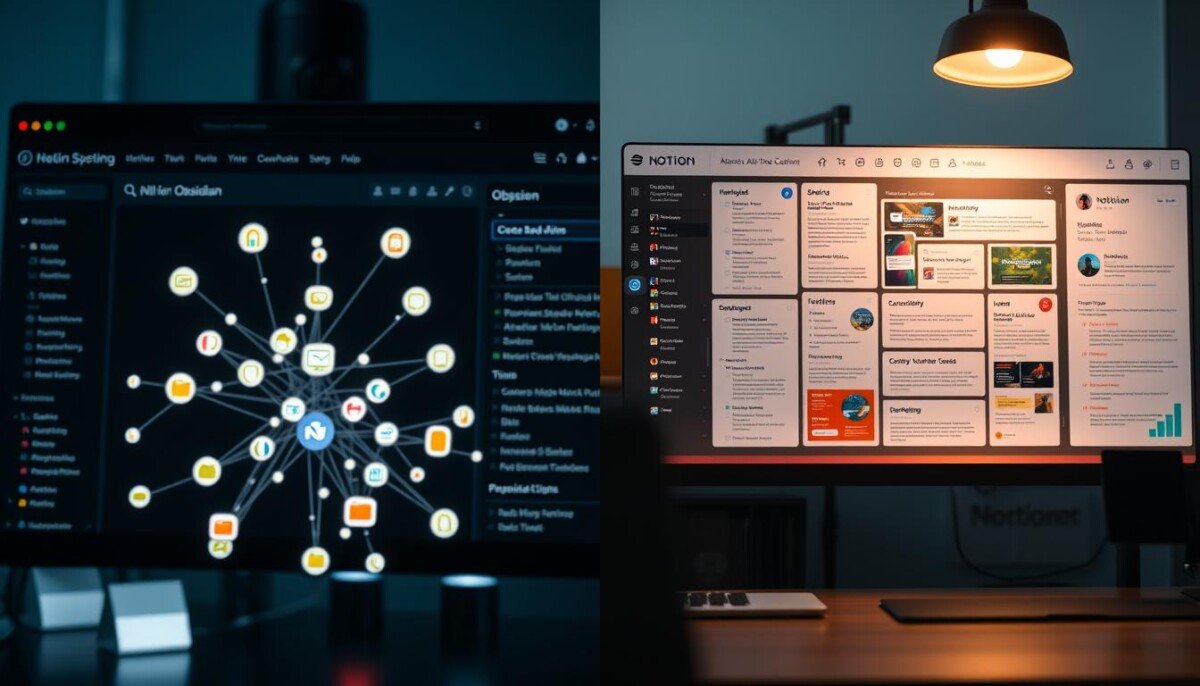
Notion is better if you think in systems, notes, databases, and dashboards. It works well for content calendars, client portals, SOPs, knowledge bases, and personal planning. The downside is that it is easy to spend too much time designing your workspace instead of using it.
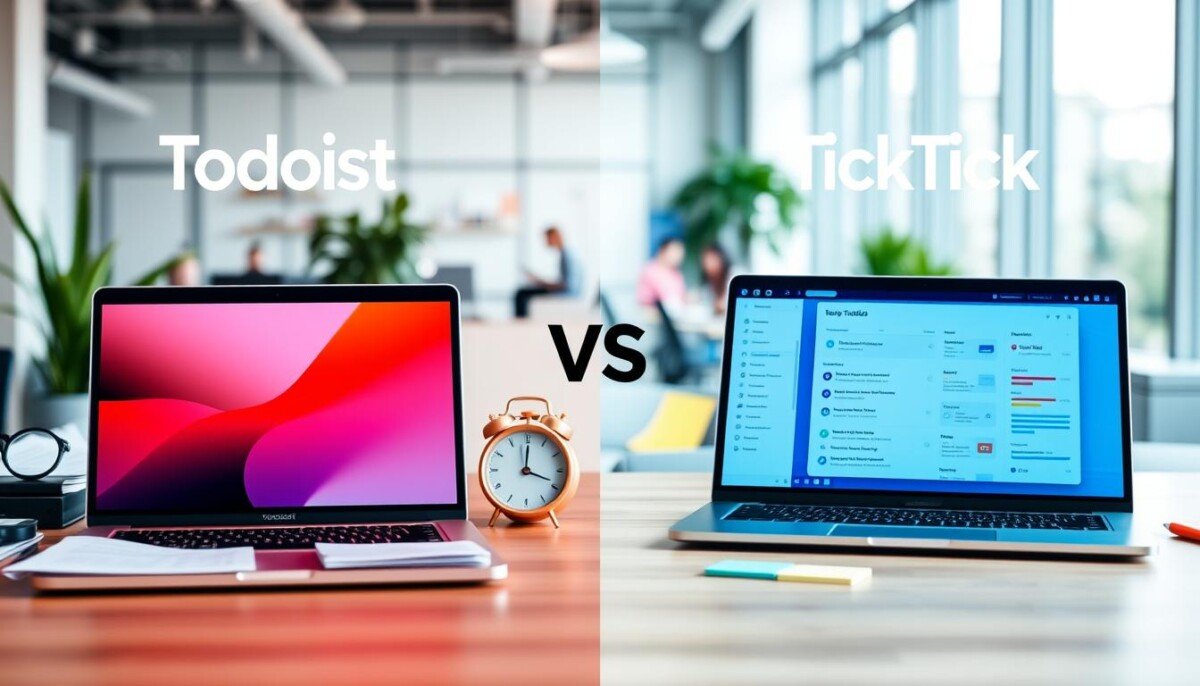
Trello and Todoist are still excellent for solopreneurs who want less complexity. Trello is visual and board-based, which is useful for pipelines and editorial workflows. Todoist is ideal for fast task capture, recurring reminders, and simple priority management.
If you bill by the hour or want to understand where your day goes, pair your task system with time tracking. Our guide to ClickUp time tracking explains how time data can reveal busy hours and bottlenecks.
2. Scheduling and calendar tools
Scheduling is one of the fastest areas to automate because it removes back-and-forth messages. A good scheduling tool should handle availability, time zones, meeting types, intake questions, reminders, and buffers.
Calendly is one of the easiest options for solo professionals who book sales calls, coaching sessions, consultations, interviews, or client check-ins. Acuity Scheduling is also strong for service-based businesses that need appointment types, intake forms, payments, and more granular booking rules.
The real productivity gain comes from configuring your booking rules properly. Do not let anyone book a meeting five minutes from now unless that is truly part of your business model. Add minimum notice, daily meeting limits, and buffer time before and after calls. If you use Calendly, our walkthrough on Calendly buffer times shows how to prevent back-to-back calls from taking over your day.
For your main calendar, Google Calendar and Outlook Calendar both work well. Choose based on the ecosystem you already use. Google Workspace is typically simpler for independent creators and consultants, while Microsoft 365 may be a better fit if your clients already use Outlook, Teams, SharePoint, or OneDrive.
3. AI productivity and writing tools
AI tools are now a practical advantage for solopreneurs, especially when used as assistants rather than autopilots. They can help you draft proposals, summarize meetings, brainstorm content, prepare outlines, rewrite emails, generate FAQs, and turn rough ideas into usable first drafts.
ChatGPT and Claude are strong general-purpose assistants. Perplexity is useful for research workflows where you want source-aware answers and quick topic exploration. Grammarly remains valuable for editing tone, clarity, and grammar across email, documents, and browser-based writing.
The smartest approach is to create repeatable prompts for recurring tasks. For example, build prompts for sales call summaries, client onboarding emails, blog outlines, product descriptions, and weekly planning. Save them in Notion, Google Docs, or your task manager so you do not start from zero every time.
AI is especially powerful when combined with human review. Use it to speed up thinking, not to replace judgment. For deeper comparisons, see our guide to the best AI productivity tools.
4. CRM and lead management tools
A solopreneur CRM does not need to be complicated. It simply needs to answer four questions: who is interested, what do they need, what is the next step, and when should you follow up?
HubSpot CRM is a good starting point for many solopreneurs because it can handle contacts, deals, email tracking, forms, and simple pipeline views. Airtable is better if you want a flexible database that can become a lightweight CRM, project tracker, referral tracker, or client delivery hub. Pipedrive is helpful when your business is sales-driven and you want a clear pipeline from lead to closed deal.
For many solo businesses, the best CRM is the one you will actually update. Start with a simple pipeline such as New lead, Qualified, Proposal sent, Follow-up, Won, and Lost. Add fields for source, service interest, estimated value, next action, and follow-up date.
Your CRM should also reflect your niche. For example, an independent education consultant might pair a CRM with intake forms, document checklists, and trusted resources such as standardized test accommodation guidance to help families understand documentation and appeal steps before deeper advising.
5. Automation tools
Automation is where solopreneurs can reclaim the most time, but only if they automate stable processes. If your workflow is still changing every week, document it first. Then automate the repetitive pieces.
Zapier is best for straightforward app-to-app automation. It is ideal for actions like sending form submissions to your CRM, creating tasks from new leads, saving attachments to cloud storage, or notifying you when a payment arrives. Make is a strong alternative for more visual, multi-step workflows with branching logic.
Airtable Automations are useful if Airtable is already your operational hub. You can trigger email alerts, create records, update statuses, and connect external tools. Our guide to Airtable automations covers setup, testing, and governance habits that prevent automation errors.
A simple automation stack for solopreneurs might look like this:
| Trigger | Automated action | Business benefit |
|---|---|---|
| New website form submission | Create CRM record and task | No lead gets missed |
| Client books a call | Send confirmation and prep checklist | Fewer no-shows and better calls |
| Invoice is paid | Update project status | Cleaner delivery workflow |
| New file added to client folder | Send internal reminder to review | Faster turnaround |
| Weekly review time arrives | Generate a task list for admin cleanup | Better consistency |
The rule is simple: automate handoffs, reminders, and data entry before you automate creative decisions.
6. Finance, invoicing, and payment tools
Money workflows need to be reliable before they are fancy. At minimum, you need a way to send invoices, collect payments, track expenses, separate business and personal finances, and prepare clean records for tax time.
Wave can be a good fit for simple invoicing and accounting needs, depending on your location and feature requirements. FreshBooks is popular with freelancers and service businesses that want polished invoicing, time tracking, estimates, and client-friendly billing. Xero and QuickBooks are better for businesses that need deeper bookkeeping, accountant collaboration, inventory, payroll connections, or more detailed financial reporting.
Stripe and PayPal remain common payment processors for online services, digital products, retainers, and checkout pages. The right choice depends on your clients, country, fees, and how you deliver your offer.
The biggest mistake solopreneurs make is waiting too long to clean up their finances. Even if you are early, create a dedicated business bank account, categorize expenses monthly, and store receipts in a consistent folder system. If QuickBooks feels too heavy, review our guide to alternatives to QuickBooks for other options.
7. Content creation and marketing tools
Solopreneurs often need to look like a team: graphics, emails, videos, landing pages, newsletters, and social posts. The right content tools help you create consistent assets without hiring designers or editors for every small task.
Canva is the most practical design tool for non-designers. It works well for social posts, lead magnets, pitch decks, simple PDFs, thumbnails, and brand templates. Adobe Express is another accessible option, especially if you already use Adobe products.
For video, CapCut is strong for short-form social content, while Descript is useful for editing podcasts, screen recordings, tutorials, and talking-head videos through transcript-based editing. If your marketing depends on educational content, tutorial videos, or repurposed calls, Descript can save hours.
For scheduling social content, Buffer and Metricool are strong starting points. Later is especially useful for visual platforms. Hootsuite may be more than a solo business needs, but it can make sense if you manage several brands or client accounts.
Do not publish everywhere by default. Pick one primary channel, one secondary channel, and one owned channel such as email or a blog. Then use tools to repurpose, not to multiply busywork.
8. Analytics and decision-making tools
Solopreneurs need enough data to make better decisions, not so much data that reporting becomes procrastination. Your analytics stack should show where leads come from, what content works, which offers convert, and which activities are wasting time.
Google Analytics 4 is useful for website behavior, traffic sources, and conversions. Google Search Console shows search queries, indexing issues, and SEO performance. Microsoft Clarity can add session recordings and heatmaps, which are helpful when diagnosing confusing pages or weak landing page performance.
Looker Studio is a good choice for building lightweight dashboards from multiple data sources. Plausible and Fathom are simpler privacy-conscious analytics tools for solopreneurs who want clean web metrics without getting buried in reports.
If you want a broader overview of analytics platforms, our guide to data analysis tools can help you compare options beyond basic website reporting.
9. Cloud storage, documents, and file systems
Cloud storage becomes mission-critical once clients send contracts, briefs, brand assets, invoices, recordings, or confidential documents. Google Drive, OneDrive, Dropbox, Box, pCloud, and iCloud can all work, but the folder system matters more than the logo on the app.
A simple structure is enough for most solo businesses: Business Admin, Clients, Marketing, Finance, Templates, and Archive. Inside each client folder, use subfolders for Contracts, Briefs, Deliverables, Meetings, and Invoices. Consistent naming prevents future chaos.
Google Workspace is often the easiest all-around choice for docs, sheets, email, calendar, and shared files. Microsoft 365 is excellent if you prefer Word, Excel, Outlook, Teams, and OneDrive. Dropbox remains strong for file syncing and sharing large creative files.
For security, turn on multi-factor authentication, review shared links monthly, and remove access when a project ends. Our article on what it means when data is stored online explains the cloud storage concepts worth understanding before trusting any platform with your business files.
10. Security and privacy tools
Security is not just a corporate issue. A solopreneur may handle client logins, contracts, financial information, private notes, and unpublished business ideas. One weak password or exposed device can create expensive problems.
Start with a password manager. 1Password and Bitwarden are both strong choices for storing unique passwords, secure notes, software license keys, recovery codes, and shared credentials. Add multi-factor authentication wherever possible, especially for email, banking, domain registrars, cloud storage, and payment platforms.
A VPN can also be useful if you work from hotels, airports, coworking spaces, or public Wi-Fi. It is not a complete security solution, but it can reduce some risks on untrusted networks. For provider comparisons, see our best VPN services guide.
Also create a basic recovery plan. Know where your backup codes are stored, which email controls your accounts, how to recover your domain, and who to contact if you lose device access. Solo business continuity depends on these small details.
Best tool stacks by solopreneur type
Not every solopreneur needs the same stack. A creator, consultant, ecommerce seller, and coach may all need scheduling and payments, but their daily workflows look different.
| Solopreneur type | Recommended core stack | Why it works |
|---|---|---|
| Consultant or coach | Calendly, Google Workspace, Notion, HubSpot CRM, Stripe, Zoom | Strong for booking calls, storing notes, tracking leads, and collecting payments |
| Content creator | Notion, Canva, Descript, Buffer, Google Drive, ConvertKit or Mailchimp | Supports planning, production, repurposing, publishing, and audience ownership |
| Freelancer | ClickUp, FreshBooks, Google Calendar, Dropbox, Grammarly, 1Password | Covers projects, billing, files, writing, deadlines, and credential safety |
| Local service provider | Acuity Scheduling, Google Business Profile, Square or Stripe, QuickBooks, Airtable | Helps manage appointments, payments, customer records, and operations |
| Ecommerce micro-brand | Shopify or WooCommerce, Canva, Klaviyo or Mailchimp, Google Analytics, Xero | Focuses on storefront, email, visuals, sales tracking, and accounting |
| Online educator | Notion, Loom or Descript, Canva, Stripe, email platform, cloud storage | Useful for lessons, resources, student communication, and digital delivery |
The best stack is usually the smallest one that supports your current revenue model. Add specialized tools only when a workflow becomes painful or expensive to manage manually.
A practical 30-day rollout plan
Trying to set up everything in one weekend usually leads to abandoned tools and half-finished systems. A better approach is to build the stack in layers.
| Timeframe | Focus | What to complete |
|---|---|---|
| Week 1 | Foundation | Choose your calendar, task manager, cloud storage, and password manager |
| Week 2 | Client flow | Set up scheduling, intake forms, CRM stages, proposal templates, and invoice workflow |
| Week 3 | Automation | Connect forms, calendar events, CRM records, tasks, and notifications |
| Week 4 | Marketing and review | Add content planning, social scheduling, analytics, and a weekly review routine |
During the first month, avoid chasing advanced features. Your goal is to create a dependable daily operating system. Once you can capture work, schedule calls, deliver files, send invoices, and follow up consistently, your stack is already doing its job.
Tool mistakes solopreneurs should avoid
The wrong tools can make your business feel busier without making it more profitable. Most solopreneur software problems come from app sprawl, poor documentation, and unclear ownership of data.
| Mistake | Why it hurts | Better approach |
|---|---|---|
| Buying tools before defining workflows | You adapt your business to the app instead of the other way around | Map the process first, then choose software |
| Using three tools for the same job | Tasks, notes, and files get scattered | Choose one primary system per function |
| Ignoring naming conventions | Search becomes unreliable as your business grows | Use consistent folder, project, and file names |
| Automating too early | Broken workflows create silent errors | Test manually, then automate stable steps |
| Skipping security setup | One compromised account can disrupt the whole business | Use MFA, password managers, and recovery codes |
| Not reviewing subscriptions | Small tools become hidden fixed costs | Audit tools monthly or quarterly |
A lean tool stack should feel boring in the best way. It should make your work easier without demanding constant attention.
Frequently Asked Questions
What are the best online tools for solopreneurs in 2026? The best starting stack includes a task manager such as ClickUp, Notion, Trello, or Todoist, a scheduling tool such as Calendly or Acuity, an AI assistant such as ChatGPT or Claude, a finance tool such as FreshBooks, Wave, Xero, or QuickBooks, cloud storage through Google Workspace or Microsoft 365, and a password manager such as 1Password or Bitwarden.
Can I run a solopreneur business with only free tools? Yes, you can start with free or low-cost tools, especially if your business is simple. The tradeoff is that free plans often limit automation, storage, branding, analytics, or integrations. Pay first for tools that directly protect revenue, save recurring time, or reduce business risk.
How many tools should a solopreneur use? Most solopreneurs can run efficiently with 6 to 10 core tools. If you use more than that, make sure each tool has a clear job. Too many overlapping apps can create confusion, duplicate data, and higher subscription costs.
Is Notion or ClickUp better for solopreneurs? Notion is better for flexible dashboards, notes, databases, and knowledge management. ClickUp is better if you want more structured task management, project tracking, and operational workflows. Many solopreneurs can use either, but you should pick the one you will update consistently.
Which tools should I automate first? Start with lead capture, scheduling confirmations, invoice status updates, file organization, and follow-up reminders. These automations reduce missed opportunities and admin work without taking over creative or strategic decisions.
Do solopreneurs really need cybersecurity tools? Yes. At minimum, use a password manager, multi-factor authentication, secure cloud storage, and regular backups. If you work on public Wi-Fi or travel often, a reputable VPN can also be useful.
Build a smarter solopreneur workflow
The best online tools for solopreneurs in 2026 are the ones that help you stay consistent: capture leads, protect focus, deliver client work, get paid, and improve your systems over time. Start small, automate carefully, and review your stack regularly.
For more practical software comparisons, tutorials, and workflow tips, explore Online Tool Guides. Our guides are built to help you choose tools faster and use them with more confidence.