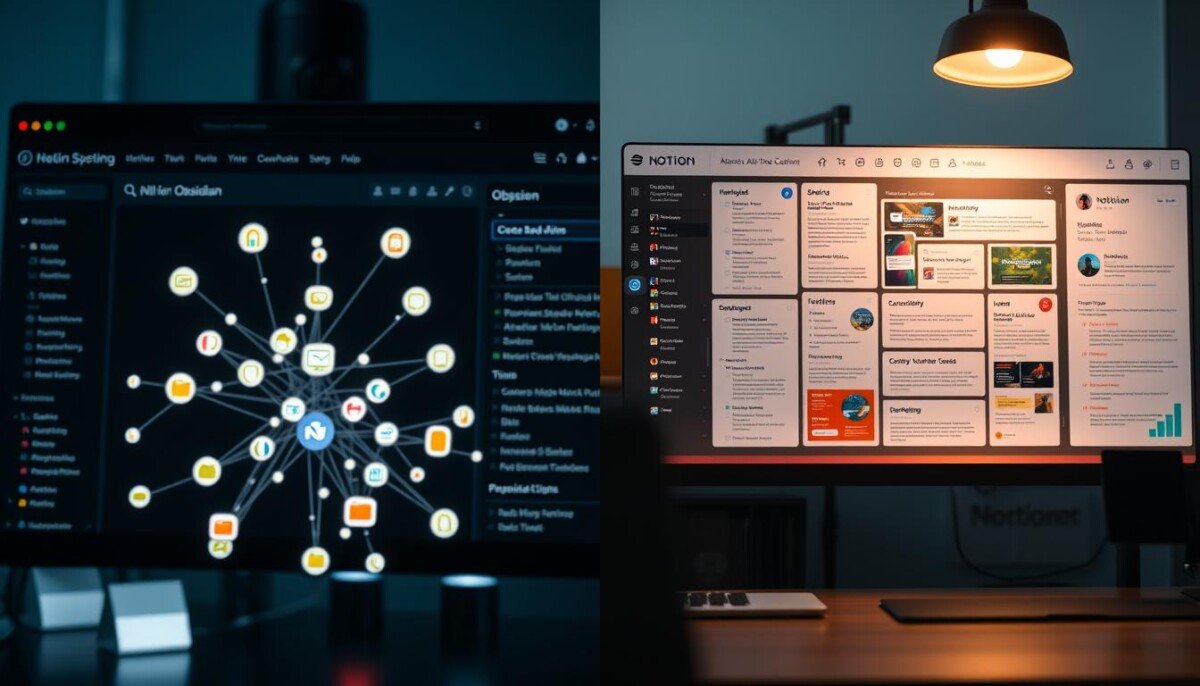
Online Kanban tools turn scattered tasks, chat messages, meeting notes, and deadlines into a visual workflow your team can actually manage. Instead of asking “What is everyone working on?” every morning, you can open one board and see what is waiting, what is moving, what is blocked, and what is done.
That visibility is the main reason Kanban remains one of the most practical task management methods for individuals, startups, agencies, software teams, and operations groups. The method is simple enough to start in an afternoon, but powerful enough to support complex digital workflow enhancements when you add rules, labels, automations, and reporting.
This guide walks you through how to organize work with online Kanban tools, from setting up your first board to building a repeatable system your team will keep using.
What Is Kanban and Why Use It Online?
Kanban is a visual workflow system built around cards and columns. Each card represents a piece of work. Each column represents a stage in the process. As work progresses, cards move from left to right until they are complete.
The core ideas are straightforward: visualize work, limit work in progress, manage flow, make process rules clear, and improve over time. These principles are also reflected in The Kanban Guide, a useful reference if you want a concise overview of the method.
A physical Kanban board with sticky notes can work for a small team in one room. Online Kanban tools are better when your work is distributed, changing quickly, or connected to other apps. Digital boards let you assign owners, add due dates, attach files, comment inside cards, filter by priority, automate task assignments, and review historical data.
In short, online Kanban tools help teams answer four practical questions:
- What needs to be done next?
- Who owns each task?
- Where is work getting stuck?
- What should we improve in the workflow?
Start With the Workflow, Not the Tool
The biggest mistake beginners make is opening Trello, Asana, ClickUp, Jira, Notion, Monday.com, or Airtable and immediately creating too many columns. A clean Kanban system starts with your actual workflow, not the software interface.
Before creating the board, list the main types of work you manage. For example, a marketing team may handle blog posts, social posts, design requests, landing pages, and campaign launches. A customer support team may handle new tickets, escalations, bug reports, and follow-ups. A freelancer may organize leads, active client projects, revisions, invoices, and admin tasks.
Once you understand the work, map the path a task follows from request to completion. Keep the first version simple. If your board is too detailed, people will stop updating it. If it is too vague, the board will not reveal useful bottlenecks.
A reliable starter workflow looks like this:
| Column | Purpose | Best practice |
|---|---|---|
| Backlog | Ideas, requests, and unscheduled work | Keep it organized, but do not treat everything as urgent |
| Ready | Tasks approved and ready to start | Only include work with enough detail to begin |
| In Progress | Work actively being done | Use a work in progress limit to prevent overload |
| Review | Work waiting for approval, testing, or feedback | Assign a reviewer so cards do not sit idle |
| Blocked | Tasks that cannot move because something is missing | Add the reason for the block in the card |
| Done | Completed work | Define what “done” means before cards move here |
This structure works for most teams because it separates planning, execution, review, and completion. You can always add more columns later, but avoid building a board that mirrors every tiny internal step.
Choose the Right Online Kanban Tool
Most popular project management platforms now include Kanban board views. The right choice depends on your team size, workflow complexity, integrations, and reporting needs.
If you want a simple visual board, Trello is often easy for beginners. If you need project timelines, task dependencies, and executive visibility, Asana may fit better as a project management software. ClickUp is useful for teams that want tasks, docs, goals, time tracking, and custom fields in one workspace. Notion works well when your Kanban board needs to live beside documentation, meeting notes, and databases. Jira is common for software teams that need sprint planning, issue tracking, and development workflows. Airtable is strong when tasks are part of a structured database with forms, views, and records.
You do not need the most advanced tool on day one. You need the tool your team will actually update. If you are still comparing options, start with our online tools list for task management to see how different platforms fit different use cases.
When evaluating online Kanban tools, focus on practical features rather than shiny extras:
- Board views that are easy to customize
- Clear task ownership and due dates
- Labels, tags, or custom fields for sorting work
- Comments and file attachments inside cards
- Automations for repetitive steps
- Calendar, time tracking, or chat integrations if needed
- Reporting that shows bottlenecks and completed work
A tool with 200 features will not help if the team cannot understand the board at a glance.
Build Cards That Are Clear Enough to Act On
A Kanban board is only as useful as its cards. If cards are vague, your workflow will feel organized visually but remain chaotic in practice.
A strong Kanban card should explain the outcome, owner, context, deadline, and completion standard. For example, “Update homepage” is too broad. “Rewrite homepage hero section to highlight new pricing, submit for marketing review by Friday” is actionable.
For recurring team work, use a card template. A content team might include fields for target keyword, brief link, draft link, editor, image requirements, publish date, and call to action. A software team might include acceptance criteria, affected systems, priority, test notes, and release version. A client services team might include contact details, deliverables, status notes, approval history, and invoice references.
The goal is not to overload every card. The goal is to reduce clarification messages. If a teammate has to ask three follow-up questions before starting, the card is not ready.
Set Work in Progress Limits
Kanban becomes much more powerful when you limit how much work can sit in active stages. A work in progress limit, often called a WIP limit, prevents teams from starting too many tasks and finishing too few.
Without limits, the “In Progress” column becomes a parking lot. Everyone appears busy, but cycle time gets slower because attention is spread across too many unfinished items. With limits, the board forces better decisions. If the column is full, the team must finish something, unblock something, or make a conscious priority tradeoff before starting new work.
A simple starting point is one or two active tasks per person. For example, a team of five might set the “In Progress” limit to seven cards. That gives flexibility without encouraging multitasking chaos.
WIP limits are not meant to punish people. They are designed to reveal system problems. If work constantly piles up in review, you may need more reviewer capacity. If tasks sit in blocked status for days, you may need clearer intake rules or faster stakeholder responses.
Use Labels, Swimlanes, and Filters Carefully
Online Kanban tools often make it tempting to add labels for everything: priority, department, client, campaign, content type, effort, status, region, and risk level. Some structure is useful, but too much structure creates visual noise.
Start with the categories that help people make decisions. For most teams, that means priority, work type, owner, due date, and blocked status. Add more only when the board becomes hard to scan.
| Board element | When to use it | Example |
|---|---|---|
| Labels | To group tasks by type, priority, or department | High priority, design, bug, client request |
| Swimlanes | To separate major workstreams on the same board | Marketing, sales, product, operations |
| Filters | To help each person focus on relevant cards | My tasks, due this week, blocked tasks |
| Custom fields | To track structured data for reporting | Estimated hours, client name, campaign stage |
| Checklists | To break one card into repeatable steps | Draft, review, approve, publish |
If you use ClickUp, custom fields can make Kanban boards much more useful for reporting and filtering. We cover this in more depth in our guide to ClickUp custom fields for advanced project tracking.
Automate Repetitive Board Maintenance
The best Kanban boards stay current because updating them is easy. Automation helps remove small manual steps that people forget during busy days.
Useful automations include assigning a reviewer when a card moves to “Review,” adding a due date when a task enters “Ready,” posting a Slack notification when something is blocked, creating recurring cards for weekly tasks, or moving completed checklist items to a done column.
For database-driven workflows, Airtable can be especially useful because automations can trigger emails, update records, assign owners, and connect to third-party tools. If you want a deeper setup process, see our guide on Airtable automations for database management.
Emphasize automation fundamentals and keep automation simple at first. Automating a messy process usually creates a faster mess. Document the rule, test it, and review whether it actually reduces work. If an automation creates confusion or unexpected notifications, disable it and simplify.
Create a Team Cadence Around the Board
A Kanban board is not a one-time setup. It is a shared operating system for work. To keep it useful, build a lightweight rhythm around it.
A daily or near-daily check-in can focus on the board rather than a long status meeting. Ask what moved, what is blocked, and what needs attention today. This keeps the conversation grounded in visible work instead of vague updates.
A weekly replenishment session helps the team decide which backlog items should move into “Ready.” This is where you clarify requirements, confirm priorities, and remove old or irrelevant requests.
A weekly or biweekly workflow review helps you inspect performance. Look at how many tasks were completed, which columns got crowded, how long work stayed in progress, and whether certain task types regularly got stuck.
A monthly cleanup prevents board decay. Archive old completed cards, merge duplicates, update labels, review automations, and confirm that your columns still match the way work actually happens.
This cadence also enhances meeting efficiency by helping to reduce unnecessary meetings. If your team is trying to protect focused work, pair Kanban with habits like meeting-free days or scheduled focus blocks.
Organize Different Types of Work With Kanban
Kanban is flexible, but the best board design depends on the work type. A content workflow should not look exactly like a software bug board or a client onboarding board.
Marketing and content production
A content board might use columns like Ideas, Brief Ready, Drafting, Editing, Design, Scheduled, Published, and Refresh Later. Each card can include the target keyword, audience, outline, writer, editor, design assets, internal links, and publishing date.
This board makes it easy to see whether content is stuck in writing, waiting for images, or delayed in review. It also helps teams balance new content with updates to older posts.
Client service and operations
A service team might organize work by New Request, Qualified, Scheduled, In Progress, Waiting on Client, Completed, and Follow-Up. This structure works well for agencies, consultants, travel coordinators, and event teams.
For example, an event operations board could include cards for venue confirmation, guest transportation, catering, speaker logistics, and post-event reporting. If a company needs executive transport for a conference, the transportation card might link to a provider such as nationwide luxury transportation services so the team can keep vendor details, booking notes, and confirmation status in one place.
Software and product teams
Product teams often use columns like Backlog, Selected, In Development, Code Review, Testing, Ready for Release, and Released. These boards benefit from clear acceptance criteria, issue links, version labels, and bug severity fields.
The key is to avoid using Kanban as a dumping ground for every idea. Product boards need strong intake rules so urgent bugs, customer requests, and roadmap improvements can be compared fairly.
Personal productivity
Kanban also works for solo users. A personal board can be as simple as Backlog, This Week, Today, Doing, Waiting, and Done. This helps you separate possible tasks from committed work.
For individuals, the biggest benefit is reduced mental clutter. Instead of keeping everything in your head, you can review one board, choose the next task, and protect your attention.
Track the Metrics That Matter
You do not need advanced analytics to benefit from Kanban, but a few basic metrics can reveal where productivity is being lost.
Cycle time measures how long a task takes from start to finish. Lead time measures how long it takes from request to completion. Throughput shows how many tasks are completed in a given period. Blocker frequency shows how often work gets stuck and why.
These metrics help teams improve the system instead of blaming individuals. If cycle time is increasing, the problem may be unclear requirements, too much active work, slow reviews, or dependencies outside the team.
| Metric | What it tells you | How to use it |
|---|---|---|
| Cycle time | How quickly active work gets completed | Look for slow columns and oversized tasks |
| Lead time | How long customers or stakeholders wait | Improve intake, prioritization, and handoffs |
| Throughput | How much work the team completes | Compare capacity across weeks or months |
| Blocked time | How long tasks are stuck | Fix dependency and approval problems |
| Aging work | Which cards have sat too long | Review stale tasks before starting new ones |
If your tool supports time tracking, you can combine Kanban data with actual work hours to understand workload more clearly. For example, our guide to ClickUp time tracking for busy hour analysis explains how tracked time can reveal capacity patterns.
Common Kanban Mistakes to Avoid
Many teams start with enthusiasm, then abandon their board because it becomes outdated or confusing. Most failures come from a few predictable mistakes.
One common mistake is creating too many columns. If every small activity has its own column, moving cards becomes administrative work. Another mistake is skipping ownership. Every active card should have one clear owner, even if several people contribute.
Teams also run into trouble when they treat the backlog as a priority list. A backlog is a collection of possible work, not a promise that everything will get done. Review and prune it regularly.
Another issue is ignoring blocked work. A blocked column is only useful if someone acts on it. Add the blocker reason, assign the person responsible for resolving it, and review blocked cards during check-ins.
Finally, do not use Kanban as a surveillance tool. The board should make work easier, not make people feel monitored. Focus on flow, clarity, and better decisions.
A Simple 7-Day Setup Plan
If you want to organize work with online Kanban tools quickly, use a one-week rollout.
| Day | Action | Outcome |
|---|---|---|
| Day 1 | Choose one workflow to organize | A clear pilot area instead of a company-wide overhaul |
| Day 2 | Create simple columns | A usable board with minimal complexity |
| Day 3 | Add active tasks and owners | Current work becomes visible |
| Day 4 | Add labels, due dates, and card templates | Cards become easier to filter and repeat |
| Day 5 | Set work in progress limits | The team stops overloading active columns |
| Day 6 | Add one or two automations | Repetitive updates become easier |
| Day 7 | Review what worked and adjust | The board improves based on real use |
Start small, then expand. Once one board works well, you can create additional boards for related workflows or connect multiple boards through dashboards and reports.
Frequently Asked Questions
What is the best online Kanban tool for beginners? Trello is often the easiest starting point because its board and card system is simple. However, project management tools like Asana, ClickUp, Notion, Monday.com, Airtable, and Jira can all work well depending on your needs. Choose based on workflow fit, not popularity.
How many columns should a Kanban board have? Most teams should start with five or six columns: Backlog, Ready, In Progress, Review, Blocked, and Done. Add more only when a workflow stage needs separate tracking.
Should every task go on the Kanban board? Important work should go on the board if it affects priorities, deadlines, collaboration, or reporting. Tiny personal reminders may not need to be added unless they are part of a larger workflow.
How often should a Kanban board be updated? Active cards should be updated whenever their status changes. Teams should also review the board during short check-ins and clean it up weekly or monthly.
Can Kanban work for remote teams? Yes. Online Kanban tools are especially useful for remote teams because they create a shared source of truth across time zones, reduce status meetings, and make blockers visible.
What is the difference between Kanban and a to-do list? A to-do list shows tasks. A Kanban board shows flow. It helps you see where work is in the process, who owns it, what is blocked, and how much work is active at once.
Make Your Kanban Board a Living System
Online Kanban tools work best when they become part of daily decision-making. A good board does not just store tasks. It shows priorities, exposes bottlenecks, supports accountability, and helps teams finish work with less confusion.
Start with a simple workflow, write clear cards, set realistic work in progress limits, and review the board regularly. Once the basics are stable, add automations, filters, custom fields, and reporting to support more advanced digital workflow optimization.
For more practical tutorials and online software reviews, explore Online Tool Guides and compare the tools that can help you build a cleaner, faster, and more reliable work system.