Do you ever wonder which app is secretly sapping power and raising your device temperature? That quick spike in heat with a fast-draining charge feels urgent. You need a clear, fast way to spot the source.
On models like the Samsung Galaxy S25+, unoptimized apps can cause sharp heat swings and rapid loss of charge. Use tools such as Battery Guru to track real-time temperature and power use so you can see which apps run heavy services or GPS in the background.
Start by checking battery usage in settings, watch screen brightness and location services, and verify software updates. For a deeper troubleshooting guide, see this resource on how to monitor overheating and fixes: monitor overheating causes and fixes.
Key Takeaways
- Identify the app that uses the most power to stop rapid charge loss.
- Monitor temperature and power metrics with an app like Battery Guru.
- Check screen brightness, location services, and background processes first.
- Keep system software and apps updated to prevent excessive use.
- Review app sources to avoid rogue software that harms battery life.
Understanding Why Your Phone Is Hot and Battery Draining
When a device runs warm, the chemistry inside its lithium-ion pack breaks down faster than normal. This speeds wear at the anode and cathode, which reduces long-term capacity and shortens phone battery life.
The Chemistry of Heat and Battery Degradation
Higher temperatures accelerate internal reactions. That extra activity permanently alters materials inside the cell and lowers the total charge the pack can hold over time.
Common External Factors
Direct sun, leaving a device in a hot car, or using a thick case can trap heat and cause overheating. Background apps, GPS services, and media streaming force the processor to work harder and use more power.
Check screen brightness and poor cellular service if you notice rapid battery drain. Software bugs or unoptimized apps also cause thermal stress while syncing data or running services.
- Avoid extreme temps to protect phone battery life.
- Monitor usage to spot apps that consume excess power.
- Reduce brightness and disable unused services like GPS when possible.
Identifying the Culprit App Through Battery Usage Settings
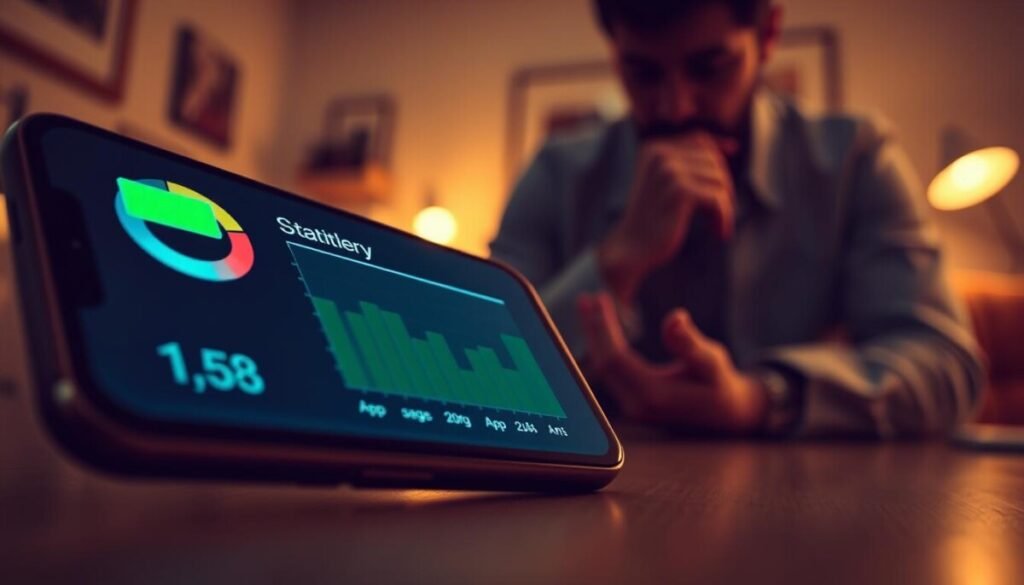
The battery usage screen shows a clear timeline of which apps ran and when the drain began.
Open Settings, then look for the usage graph to see which app spikes power at specific times. This view lists each app and the percent of charge it used during the period.
If you spot heavy use from social feeds like Reddit or AI chat tools such as Character.AI, that app is likely the issue. Restrict background activity for that app to curb unnecessary use.
Force-stop or limit data, location, and background permissions for any app that shows abnormal consumption. Check system settings after recent software updates; a buggy update can make an app misbehave.
- Use the daily bar graph to match time-of-day drain to a specific app.
- Restrict background service and force-stop high-usage apps to save charge.
- Review permissions so no single app constantly uses location or data.
Managing Background Processes and App Permissions
Background tasks often run unseen, quietly using resources and shortening run time. You can cut unnecessary usage quickly by changing a few settings.
Restricting Background Activity
On One UI 8.5, toggle background usage limits to put rarely used apps into deep sleep. This prevents apps from waking frequently and reduces overall battery usage.
Enable a global limit or set per-app rules so only essential services run in the background.
Disabling Unnecessary Notifications
Turn off alerts for apps that do not require immediate attention. Fewer notifications mean fewer wake cycles and lower processor load.
Handling Location Services
Review location and GPS permissions regularly. Grant access only when an app needs it while in use to cut constant location checks that increase heat and drain.
- Use battery saver mode to limit background work when power is low.
- Restrict media and games from background data if they cause high usage.
- Audit app permissions in settings every few weeks to keep performance steady.
Adjusting Display and Connectivity Settings
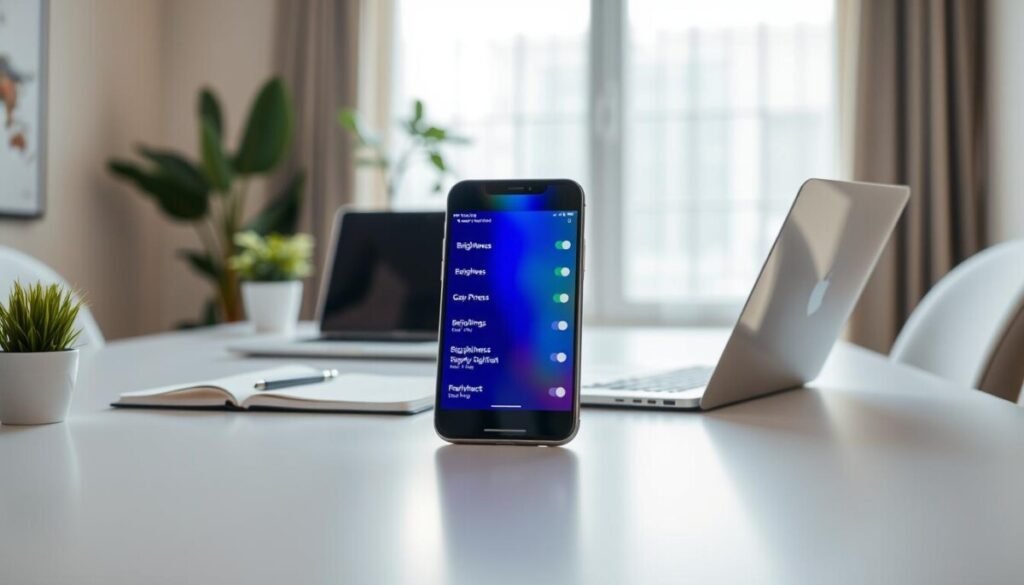
Small changes to display and network options often yield the biggest gains in run time.
Optimizing Screen Brightness and Dark Mode
Lower screen brightness whenever you can. This simple step reduces display power and extends phone battery life during the day.
Enable adaptive brightness so the device adjusts light levels automatically. That prevents the screen from staying brighter than needed.
On OLED or AMOLED panels, Dark Mode saves energy by turning off pixels for dark areas. Use it in apps and system menus to cut screen usage over time.
- Adjust brightness to match surroundings to save battery life.
- Turn on Dark Mode for OLED devices to reduce screen power use.
- Disable Wi-Fi, Bluetooth, or mobile data when you don’t need them.
| Setting | When to use | Benefit |
|---|---|---|
| Adaptive brightness | Daily use in mixed lighting | Automates screen brightness to save power |
| Dark Mode (OLED) | Reading, low-light, general UI | Reduces screen power by turning off pixels |
| Airplane Mode | Poor service areas or when offline | Stops radios from working hard to find signal |
| Radio toggles (Wi‑Fi/Bluetooth) | When not using accessories or networks | Prevents background data and service usage |
Many apps and software features use data and services continuously. Review location and connectivity settings in the system menus to cut unnecessary usage. For guided steps others found useful, see this fix settings.
The Impact of Charging Habits on Device Temperature
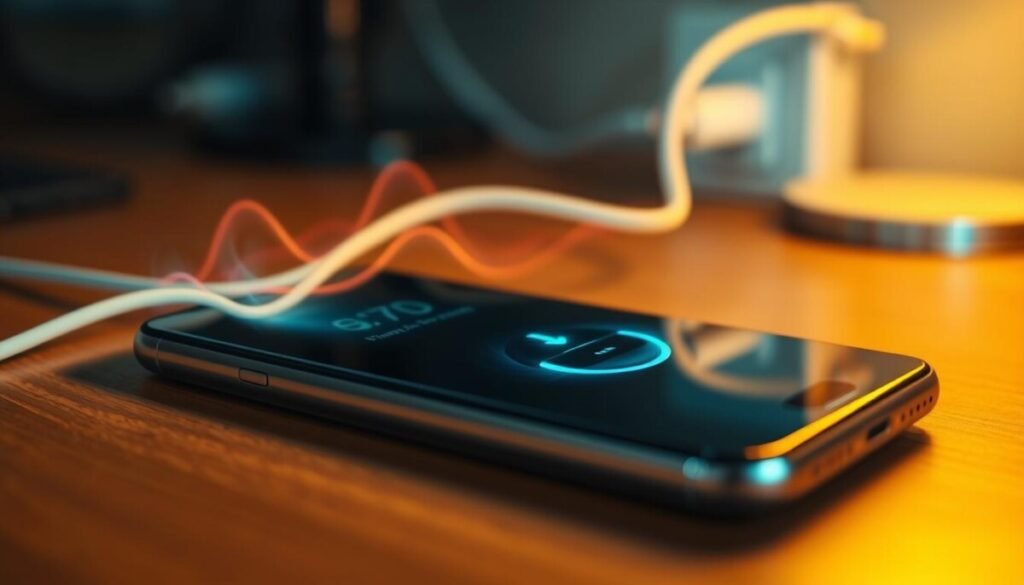
How you charge your device has a major effect on internal temperature and long-term health.
Fast charging raises in-use heat more than slow fills. A 30W charger, like the one used by the Meizu Note 21 Pro, tops a 5000mAh cell quickly but can push temps up during the final minutes.
Set a max charge to 80% when you can. That reduces chemical stress from the last 10% and helps prolong phone battery life.
Remove your case while charging to let heat escape. Avoid overnight charging to stop prolonged warmth that accelerates wear.
If the phone feels hot while charging, unplug it and let it cool before running heavy apps.
- Use the manufacturer charger to control power delivery safely.
- On large-capacity devices like a 5000mAh model, you get full-day use with gentler charge cycles.
- Manage charging time and habits to limit overheating and extend battery life.
When to Consider Software Updates or Hardware Repairs
Keep system updates current to gain fixes that cut unwanted power use and reduce device stress.
Check for software updates in Settings regularly. Manufacturers release patches that fix issues causing overheating and poor performance.
If apps still cause excessive screen use or background processes after updates, try reinstalling the app or clearing its cache.
If problems persist, hardware may be the reason. A worn cell often shows as rapid loss of charge and poor run time.
- If software fixes fail, consider a hardware repair or battery replacement.
- Verify app sources and revoke permissions that let services run in the background.
- Weak service signal can force radios to work harder and drain power; have a technician check antennas if needed.
- Contact an authorized service center when the device no longer holds charge despite fixes.
| Action | When to use | Expected result |
|---|---|---|
| Install system updates | Regularly or after issues start | Fixes for overheating, better power management |
| Reinstall or remove apps | When a single app uses excess resources | Lower background processes and improved performance |
| Replace the cell | Device older than a few years or poor hold time | Restores original capacity and daily run time |
Keep phone software current to protect performance over time. Small upkeep saves larger repairs later.
Conclusion
Find the single app that spikes usage to regain hours of usable runtime quickly. Identify which apps use the most power, then restrict background permissions or uninstall the offender.
Use tools and the system usage view to stop battery drain. Enable a battery saver mode and keep your software up to date to cut needless cycles.
Watch screen brightness and close unused apps to add hours of use each day. If the problem continues after updates and limits, consider a hardware check or cell replacement.
This guide has helped 36,565 readers fix similar issues and extend device run time with small, consistent changes.