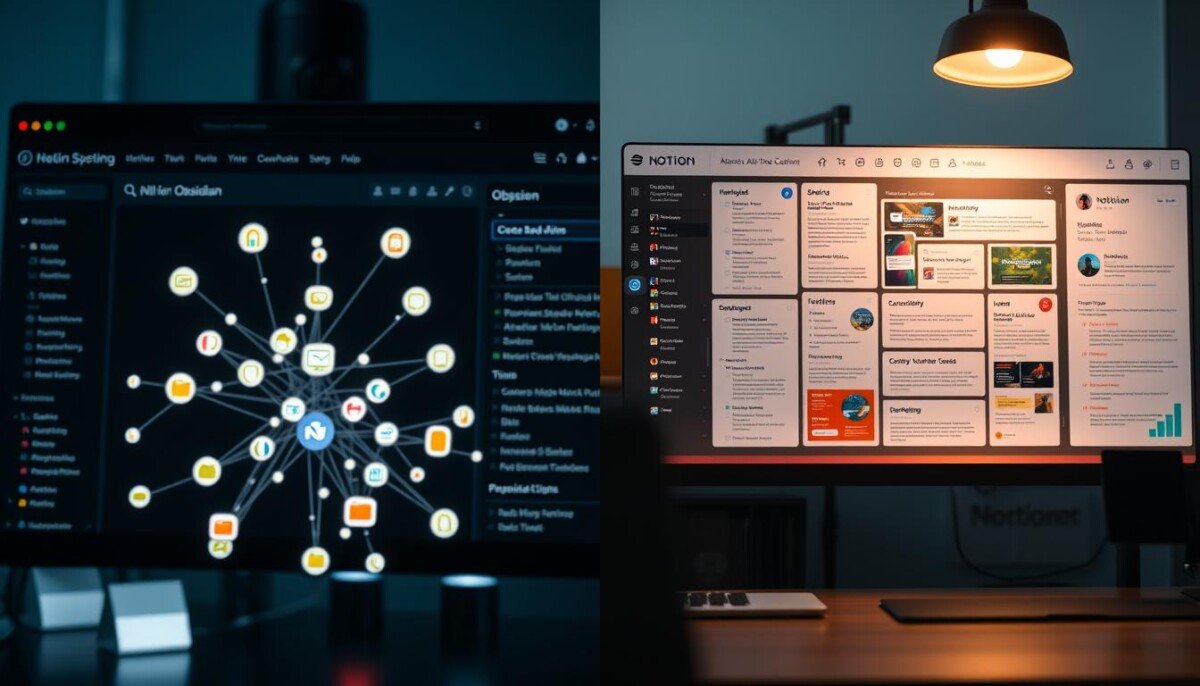
Can a single platform truly capture every customer voice and turn it into clear product decisions?
We believe the answer is yes — but only when teams centralize collection and use the right platforms. Modern product groups now rely on automated systems to manage complex feedback loops and scale research.
In our February 16, 2026 update, we show how centralizing input from surveys, forms, email, and recordings helps product teams make data-driven choices. These solutions move teams beyond anecdotes by giving structured data for each feature request.
By integrating these platforms into workflows, we ensure every customer request is tracked, prioritized, and visible across support and development. The result is better satisfaction, higher NPS, and clearer roadmaps for the business.
Key Takeaways
- Centralize collection to turn scattered responses into usable data.
- Integrations with workflows make every customer voice actionable.
- Structured surveys and forms reduce anecdotal bias in feature requests.
- Tracking satisfaction and NPS ties product work to business goals.
- The right platform accelerates decisions and improves the experience.
Understanding the Role of User Feedback Tools
A central repository for customer input changes how teams spot issues, validate features, and set priorities.
We use these platforms to gather customer feedback from Slack, support tickets, email, surveys, and recordings. That consolidation turns scattered notes into consistent data for analysis.
When collection lives in one place, our research and product teams collaborate better. Integrations with support systems and workflows ensure each request and form is visible to engineering and CS.
This bridge between support interactions and product decisions is the core capability of a modern platform. It helps us track satisfaction, nps, and enterprise issues with evidence rather than anecdotes.
- Capture Slack, ticket, and email threads automatically.
- Organize insights to surface recurring issues and feature requests.
- Turn raw notes into prioritized work for the team.
For teams evaluating options, we also recommend pairing a central system with a solid CRM like customer relationship management to close the loop and measure impact on business outcomes.
Why B2B Teams Need Centralized Feedback Management
When B2B accounts number in the thousands, scattered responses become impossible to act on without a central system. We need a single platform to collect forms, surveys, email, recordings, and support notes so nothing falls through the cracks.
Identifying Churn Signals
Centralized management helps us spot churn signals early. By monitoring recurring complaints from specific enterprise accounts, we can flag at-risk customers before renewal time.
Backing Up Requests with Evidence
Instead of relying on anecdotes, we back feature requests with concrete data. Mapping requests to accounts shows exactly how much ARR is at stake.
- Track customer satisfaction and CSAT trends to prioritize high-impact fixes.
- Map each request to an account so product and support teams get context.
- Scale collection across thousands of users without losing critical insights.
For teams evaluating integration options, see our support-to-CRM integration guide to close the loop and measure business impact.
Essential Features to Look for in Feedback Platforms
Look for systems that reduce manual work and surface patterns across conversations and surveys.
Automated collection is a must. Modern platforms should pull input from Slack, email, support tickets, and recordings without manual tagging.
AI-driven analysis then clusters similar requests and highlights recurring feature requests. That helps product teams see patterns instead of isolated quotes.
- Deep integrations with Jira or Linear to sync priorities and workflows.
- Revenue impact tracking to rank requests by business value.
- Built-in surveys and CSAT/NPS tracking to measure customer satisfaction over time.
| Capability | Why it matters | What to check |
|---|---|---|
| Automated collection | Reduces missed signals and manual work | Slack, email, tickets, recordings |
| AI clustering | Surfaces themes and groups similar requests | Customizable categories and confidence scores |
| Integrations | Keeps product and support aligned | Jira/Linear, CRM, analytics |
| Impact tracking | Prioritizes work by business value | ARR mapping, account context |
When we evaluate options, we favor platforms that close the loop with customer broadcasts. That proves to customers their input shapes the roadmap and improves overall experience.
Automated Collection and AI Clustering Capabilities
By utilizing signal processing techniques to capture signals automatically and group similar requests, teams are able to act faster and with more confidence.
Automated collection scales intake from surveys, forms, email, and support channels so our team captures data without manual work.
The Importance of AI Sentiment Analysis
Sentiment analysis adds emotional context to each request. It shows whether customers are frustrated, delighted, or neutral.
AI clustering then groups closely related items — for example, “API endpoint documentation” and “unclear API reference guide” merge into one actionable feature request. That reduces noise and focuses product time on core issues.
- Automated collection captures hundreds of conversations without extra staffing.
- Sentiment analysis reveals what customers truly value and where satisfaction is slipping.
- Clustering surfaces recurring feature requests so teams prioritize by impact, not anecdotes.
We also pair this intake with a solid customer relationship management approach to map requests to accounts and measure business impact. These capabilities turn raw input into reliable data for roadmap decisions.
Revenue Impact Tracking for Prioritization
Knowing the ARR behind a request changes how we sequence features and allocate engineering time.
Revenue impact tracking lets product teams prioritize development by actual business value. With clear ARR attribution, we avoid chasing low-impact work.
For example, Pylon’s Product Intelligence filters feature requests so we can compare $500K in ARR against $50K. That clarity helps us defend roadmap choices to stakeholders.
We also filter by customer tier or industry to see which segments drive the most important product changes. This reveals which surveys, forms, and support threads represent strategic needs.
The benefits are direct: higher customer satisfaction, better csat and nps alignment, and faster delivery of features that move the needle for revenue.
- Quantify ARR for each request to prioritize high-impact work.
- Segment requests by tier or industry to focus on core customers.
- Turn collection and analysis into a repeatable prioritization practice.
Integrating Feedback with Product Management Workflows

Linking feedback platforms directly into product workflows turns scattered requests into clear, actionable tickets.
We integrate platforms with Linear or Jira so support can create product tickets that include full customer context. That means developers see attachments, conversation history, and relevant survey responses with each issue.
This reduces duplicate requests and cuts time spent chasing details. It also helps prioritize features by showing account value and repeated requests across users.
We recommend a simple process:
- Auto-create tickets from support threads and forms.
- Attach recordings, survey answers, and account ARR data.
- Sync ticket status back to the collection platform so support stays informed.
| Integration | Primary Benefit | What to Attach |
|---|---|---|
| Linear / Jira | Keeps backlog aligned with support | Conversations, screenshots, survey data |
| CRM sync | Maps requests to account ARR | Account tier, renewal dates, contacts |
| Recording import | Preserves original context | Call clips, timestamps, sentiment notes |
With these integrations, our teams turn insights into work faster. The result is better alignment, higher satisfaction, and clearer product choices.
Closing the Loop with Customer Broadcasts
Closing the loop publicly turns one-off requests into clear, trust-building moments for customers.
We create broadcasts directly from feature requests so the exact customers who asked for the change see the update. That direct notice proves we listened and shows how their input shaped the roadmap.
Notifying the right customers increases satisfaction and reduces churn. A short broadcast that links to the release notes or a quick demo keeps customers engaged.
- Announce shipped features to the customers who requested them.
- Use broadcasts to share roadmap context and expected timelines.
- Keep messages concise and attach a survey to measure csat.
| Action | Benefit | What to include |
|---|---|---|
| Create broadcast from a request | Builds trust with targeted customers | Release link, short note, account context |
| Share roadmap update | Manages expectations | Timeline, next steps, stakeholder notes |
| Attach a survey | Measures customer satisfaction | 2–3 CSAT questions, optional comment field |
| Track responses | Turns replies into actionable data | Tag requests, map to ARR, follow-up plan |
Our findings show teams that communicate outcomes keep more customers and improve overall customer experience. Closing the loop makes a simple request feel like a lasting win for both the customer and the business.
Top User Feedback Tools for Modern Product Teams
Picking the right platform changes how our product and support teams turn requests into roadmapped work.
Pylon stands out for B2B groups. It collects omnichannel support from Slack, Microsoft Teams, WhatsApp, and email in one place. That makes account-level context and product intelligence easier to surface.
We compared options like Zendesk and dedicated survey platforms. Each has a place: some excel at broad support, others at deep research or roadmapping.
The goal is simple: pick a platform that fits your stack and gives clear signals for prioritization.
- Choose platforms that attach account ARR and conversation history to requests.
- Prefer systems with native integrations into your issue tracker and CRM.
- Mix comprehensive support platforms with focused survey or roadmap solutions when needed.
| Platform | Best for | Key strength | When to pick |
|---|---|---|---|
| Pylon | B2B omnichannel | Account intelligence + support aggregation | You need ARR mapping and Slack/Teams/WhatsApp collection |
| Zendesk | Wide support ops | Ticketing scale and workflows | Large CS teams with multi-channel demand |
| SurveyMonkey / HubSpot | Research & NPS | Structured surveys and analysis | When you need formal research or product-market fit signals |
| Canny / Roadmapping | Community-driven features | Voting and roadmap transparency | When users drive feature prioritization publicly |
We evaluated a range of options so your team can pick what turns support into a strategic partner for product decisions.
Evaluating Pylon for Omnichannel Support

Pylon streamlines how we collect signals from every channel into one working inbox. This consolidation makes it easier for our product and support teams to act on what matters.
Omnichannel collection covers Slack, Microsoft Teams, WhatsApp, email, and in-app chat. By centralizing these inputs we reduce noise and surface patterns faster.
Omnichannel Collection Benefits
Unified intake means we capture customer feedback without manual copying. Surveys, forms, and conversations land in one place so nothing is missed.
That consolidated view speeds triage. Our team can tag requests, attach context, and create tickets from the same interface. The result is faster resolution and better customer satisfaction.
Account Level Intelligence
Pylon links signals to account data so we see which customers are at risk. This account-level intelligence helps us prioritize features with real ARR impact.
We found that mapping requests to accounts uncovers churn signals earlier. That insight changes how we schedule work and communicate priorities to stakeholders.
- Capture Slack, Teams, WhatsApp, email, and in-app chat in one feed.
- Map each request to account context and ARR.
- Create tickets with full conversation history and attachments.
| Capability | Why it matters | Outcome |
|---|---|---|
| Omnichannel intake | Consolidates scattered signals | Faster triage and fewer missed requests |
| Account linking | Shows customer health and ARR | Better prioritization for product features |
| Workflow integrations | Syncs with Jira/Linear and CRM | Tickets carry full context into engineering |
Assessing Canny for Community Driven Roadmaps
Canny centers community voting so product choices reflect what customers ask for most.
It functions as a public roadmap platform where customers can vote on feature requests and watch progress. This transparency builds trust and shows that requests turn into real work.
We find Canny excels when teams want direct involvement from users in prioritization. It gives clear signals on which features deserve attention.
One important note: Canny operates separately from support systems. That separation matters for management and integration planning.
Use Canny if your goal is to boost engagement and loyalty through public input. It pairs well with support platforms that handle tickets and surveys, so each channel keeps its strength.
- Best fit: teams building a collaborative roadmap driven by customers.
- Consider: coupling Canny with support and CRM for full account context.
- Benefit: boosts transparency, engagement, and visible product prioritization.
| Capability | Why it matters | When to pick |
|---|---|---|
| Public voting | Surfaces high-demand requests | Community-driven product strategy |
| Roadmap visibility | Builds customer trust | When transparency is a priority |
| Separate from support | Keeps roadmap discussion focused | Pair with support for operational context |
Considering Uservoice for Prioritization Processes
For teams that need a disciplined way to rank requests, Uservoice offers focused prioritization and voting that converts direct customer input into a score-driven roadmap.
Uservoice specializes in voting and prioritization features. It helps teams score and rank feature requests so product decisions feel objective rather than political.
We recommend Uservoice for organizations that already run a structured process and want a single platform to move surveys and votes into roadmap decisions.
One trade-off: it does not natively integrate with many support systems. That means important context locked in tickets may not appear in the scoring pool.
- Best when you need a repeatable scoring workflow.
- Powerful for teams that must make hard choices about what to build next.
- Less ideal if you rely on support threads as a primary input.
| Strength | Limit | Ideal outcome |
|---|---|---|
| Voting-driven prioritization | Few native support integrations | Defensible, ranked roadmap |
| Clear scoring workflows | Requires established process | Faster product decisions |
| Good for surveys and votes | May miss ticket-based insights | Transparent customer signals |
If you need an alternative that ties prioritization back into support, see our Uservoice alternative for options that blend scoring with ticket context.
Reviewing Zendesk and Intercom for Support Context

Zendesk and Intercom are common in support ops, but they trade deep product analysis for ticketing efficiency.
Zendesk offers basic CSAT surveys that fit standard support workflows. It handles tickets at scale and keeps customer history in one place.
Intercom captures in-app responses through Fin AI and live chat. That makes it easy to collect quick notes and short surveys from users inside the product.
For teams that want to keep collection inside support, these platforms are a practical choice. They reduce context switching and keep conversations where support teams already work.
- Great for ticketing and standard customer satisfaction tracking.
- Limited when you need systematic analysis or revenue mapping for product decisions.
- Best suited to teams that prefer in-place collection over a dedicated feedback management platform.
| Platform | Strength | Limitation |
|---|---|---|
| Zendesk | Scalable ticketing; basic CSAT | Needs add-ons for deep product analysis |
| Intercom (Fin AI) | In-app collection; conversational surveys | Less systematic clustering and ARR mapping |
| When to pick | Keep collection in support | Pair with dedicated analytics for roadmap decisions |
If you want to extend in-app chat or compare live options, see our guide to live chat plugins for integration ideas and setup tips.
Exploring HubSpot and SurveyMonkey for Research
Choosing between HubSpot Service Hub and SurveyMonkey depends on whether you need CRM context or standalone survey flexibility.
HubSpot Service Hub shines when we want forms to live inside the same CRM as customer records. That connection maps responses to accounts, so product teams see ARR, renewal dates, and support history with each form result.
SurveyMonkey is ideal for one-off research. It gives fast, familiar surveys for studies and market research without adding support or ticketing complexity.
Our recommendation: use these platforms for broad customer research and periodic surveys rather than continuous, automated management for product work.
- HubSpot: best when forms must tie to account data and support context.
- SurveyMonkey: best for flexible, standalone studies and quick surveys.
- Both: gather solid data, but may lack deep product ticket integration for B2B prioritization.
| Platform | Core Strength | When to Use |
|---|---|---|
| HubSpot Service Hub | CRM-linked forms and account context | Routine research tied to customers and support |
| SurveyMonkey | Standalone surveys and market research | Short studies, product-market fit tests, and ad hoc surveys |
| Combined approach | Balanced insights and account mapping | Use SurveyMonkey for experiments, HubSpot for account-linked follow-up |
Leveraging Feedback to Influence Product Strategy
Showing the ARR behind requests makes product strategy discussion objective and actionable. When a $2M ask sits beside a $200K item, priorities change fast.
To influence product strategy, we connect customer feedback to business metrics such as ARR and renewal risk. That mapping gives product teams a clear signal of impact and urgency.
We create evidence-based feature requests that include links to support conversations and survey notes. Those links provide context for developers and help product managers validate scope.
- Sync insights into tickets so each feature carries account context and ARR.
- Attach surveys and conversation snippets to show frequency and sentiment.
- Rank features by revenue impact, not by the loudest request.
Adopting this approach turns support from reactive responders into proactive partners. Our research shows teams that tie customer feedback to ARR align roadmaps with business goals and improve customer experience.
Best Practices for Scaling Your Feedback Operations
Effective scaling starts with measurable goals and short pilots that prove impact quickly. We recommend a staged approach so product and support teams learn without risking large rollouts.
Defining Success Metrics
Set clear success metrics before you start. Track volume of responses, time-to-triage, weekly processed items, and customer satisfaction changes. These KPIs show whether the platform and process drive real product outcomes.
Time Boxed Trials
Run 30-day pilot trials to test a new platform or survey flow. A short trial exposes issues fast and keeps GDPR-ready controls in place for data security.
Iterative Scaling
Start with one department or journey, iterate weekly, and set review SLAs so teams ship small improvements each sprint.
- Maintain GDPR-ready controls for all customer data.
- Use weekly SLAs to ensure steady processing and action.
- Close the loop visibly so contributors see outcomes and trust grows.
| Practice | Duration / Cadence | Outcome |
|---|---|---|
| Pilot trial | 30 days | Validate process and GDPR controls |
| Weekly review | Weekly SLA | Ship small, regular improvements |
| Department roll-out | Iterative phases | Scalable, measured expansion |
Final Thoughts on Selecting Your Feedback Stack
Start by mapping the decisions you must make and pick systems that deliver those answers. Define KPIs, then shortlist platforms that match your product goals and daily workflows.
, Choose systems that integrate into support channels and surveys so your team captures consistent insights without extra friction. Centralizing intake and applying AI turns noise into clear priorities.
We recommend running short pilots, measuring ARR impact, and iterating. For related social content and automation options, see our social content and automation guide to help connect your stack.
When the stack fits your goals, teams ship features that move the needle and create a better customer experience.