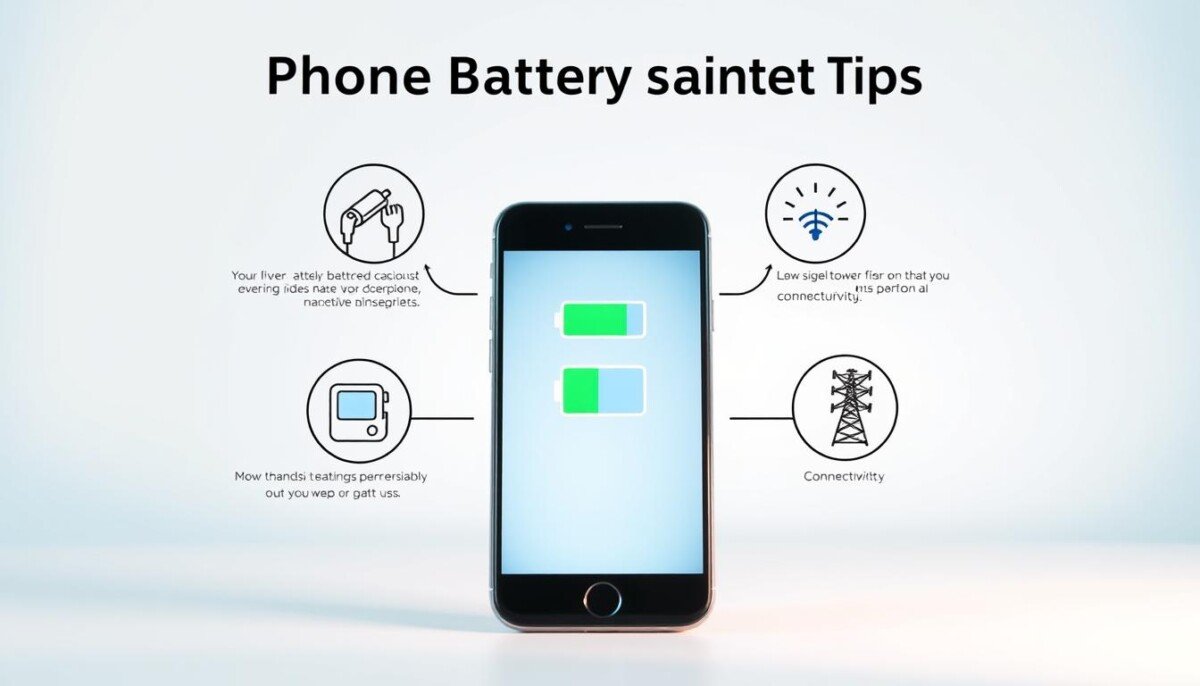
Is your device losing power faster than it used to, even after a full charge? That question matters if you rely on your device for work and daily tasks.
This short guide lays out clear signs that point at a failing power pack and simple steps you can take next.
The aim of this page is practical: spot sudden drains, random shutdowns, overheating, and shrinking charge capacity. These signs show a decline in battery health and warn you that a timely replacement can restore performance.
You will get straightforward tips for monitoring health, learn what counts as critical time to seek help, and see how a proper battery replacement saves you frustration and downtime. For issues tied to heat and shutdowns, check this helpful guide on overheating fixes for more context: smartphone overheating causes and fixes.
Key Takeaways
- Watch for fast drains and unexpected shutdowns as top signs.
- Overheating and reduced charge capacity signal declining battery health.
- Early detection helps you keep the device reliable for work.
- Battery replacement often restores performance and runtime.
- Use built-in monitoring and seek professional help when needed.
Understanding Lithium-Ion Battery Lifespan
Lithium-ion cells lose capacity as you use them, and that change shows up slowly. These batteries power most modern phone models and every smartphone you rely on.
Charge cycles are the key metric. One cycle is a full charge and discharge. Over many cycles, overall performance and battery life fall.
Most users of iPhones and other phones notice this after several years. A clear sign the unit reached its limit is shortened runtime and slower peak output.
- Monitor charge cycles in settings to track battery health.
- Regular checks help you plan a battery replacement before the device degrades.
- Small care steps extend life and keep performance steady.
| Charge Cycles | Typical Years | Expected Impact |
|---|---|---|
| 0–300 cycles | 0–1 years | Near-full capacity, top performance |
| 300–800 cycles | 1–3 years | Gradual drop in runtime |
| 800+ cycles | 3+ years | Noticeable loss; consider battery replacement |
When to Replace Phone Battery: Identifying Common Symptoms

Look for clear performance drops that show the unit is struggling during daily use. These signs make it hard to trust the device for work or important tasks.
Rapid Power Drain
One common sign is a fast drain after a full charge. Your device may last only a few hours under normal use.
Apps that once ran all day now cut runtime dramatically. Screen brightness and background tasks often force frequent charging cycles.
Unexpected Shutdowns
If the device shuts off during a demanding app or in cold weather, that signals failing cells. Sudden power loss hurts reliability during calls and deadlines.
iPhones and other models show the same issues: short life, erratic power, and trouble holding a safe charge over hours.
- Fast drains within a few hours mean the unit likely needs attention.
- Random shutdowns under load or in winter point at degraded cells.
- Reduced screen brightness and slowed performance at low charge are warning signs.
| Symptom | Typical Impact | Suggested Action |
|---|---|---|
| Rapid power drain | Few hours of use; frequent charging | Check apps, run diagnostics, plan a professional assessment |
| Unexpected shutdowns | Loss of data, missed calls | Test in different temperatures; seek certified service |
| Performance throttling | Slow apps, dim screen | Review settings and consider a battery replacement option |
Checking Your Device Settings for Battery Health

Open your device settings to find a clear readout of current capacity and health. The settings panel gives a percent value that shows remaining capacity versus the original design. This number helps you judge real-world battery life for work and travel.
Interpreting Capacity Percentages
A capacity percent under 80% often means your phone will need more frequent charging and may fail during busy days. View that figure in settings and note the trend over weeks.
Low capacity is a direct sign the unit no longer meets daily needs. Use the percent along with observed performance to make a clear decision.
- Check settings and log the capacity percent every month.
- Review charging habits and update software in the settings menu.
- Use the percent as data when you seek professional service or plan an upgrade.
| Readout | What it means | Action |
|---|---|---|
| 90%+ | Good capacity, normal battery life | Maintain charging habits and software updates |
| 80%–89% | Moderate loss; shorter runtime | Monitor trends; apply power-saving tips |
| <80% | Significant loss; risk of shutdowns | Consider professional assessment |
Environmental Factors Affecting Performance
Harsh temperatures make a clear, measurable impact on how long your device runs.
Extreme heat speeds chemical breakdown in internal cells and cuts usable life. Consistent exposure can cause a lasting drop in daily performance.
Cold weather forces faster energy loss and may cause sudden shutdowns during normal use. This is common with many phones and smartphones in freezing conditions.
Protecting your devices from harsh environments is essential. Keep units out of direct sun and avoid leaving them in cars on hot days. Warm, dry storage helps preserve charge and charging health.
- Hot conditions: reduce lifespan and lower peak performance.
- Freezing conditions: cause rapid loss of usable charge.
- Best practice: limit exposure and use protective cases or insulated pockets in extreme weather.
| Condition | Effect | Quick Action |
|---|---|---|
| High heat | Permanent capacity loss; slower performance | Move device to shade; cool before heavy use |
| Freezing cold | Fast charge drain; unexpected shutdowns | Warm device in hands; avoid intense tasks outdoors |
| Frequent swings | Wear on internal cells; shorter service life | Stabilize storage environment; limit extremes |
Weighing the Cost of Repairs Versus a New Device

A clear cost comparison helps you choose between a repair and buying a new phone. Assess both short-term repair fees and long-term value before you decide.
Professional Service Options
Professional service offers warranty and tested parts. Certified shops and manufacturer service centers give reliable repairs and documented work.
That adds cost, but it reduces risk and preserves device performance and health for users who need steady results.
DIY Repair Risks
DIY repair may cut upfront cost, but it can void warranties and cause damage that raises overall cost.
Non‑expert work often leads to extra repairs or lost features. For many users, certified service saves time and stress.
Assessing Device Age
Compare the repair total against the price of a new phone. If the device is older than three years, repairs often have diminishing returns.
Also check software support on older iPhones and other models. Lack of updates affects security, app life, and long‑term performance.
- Consider total repair cost plus expected future repairs.
- Factor in warranty, software updates, and resale value of a new phone.
- Choose certified service when uptime and reliability matter most.
| Factor | Repair | New Phone |
|---|---|---|
| Typical cost | Moderate; varies by service | High; but includes full warranty |
| Expected life added | Months to a year | Several years |
| Warranty and support | Usually limited | Manufacturer warranty and software updates |
| Risk level | Lower with certified service | Low; brand new unit |
Conclusion
Knowing the red flags for failing cells saves time and frustration. Recognizing the main signs preserves your phone performance and overall life.
This short guide gave clear tips for checking battery health and tracking battery life. Regular checks help you avoid sudden shutdowns and slowdowns at critical time.
When repair is sensible, a proper replacement often restores full-day runtime and cuts long-term cost. For a practical reference, see the battery replacement guide on the page linked here.
Stay proactive: follow these tips, watch the signs, and keep your device reliable for daily work.