Have you ever wondered whether those animated backgrounds are the real reason your phone feels warm and loses charge faster than usual?
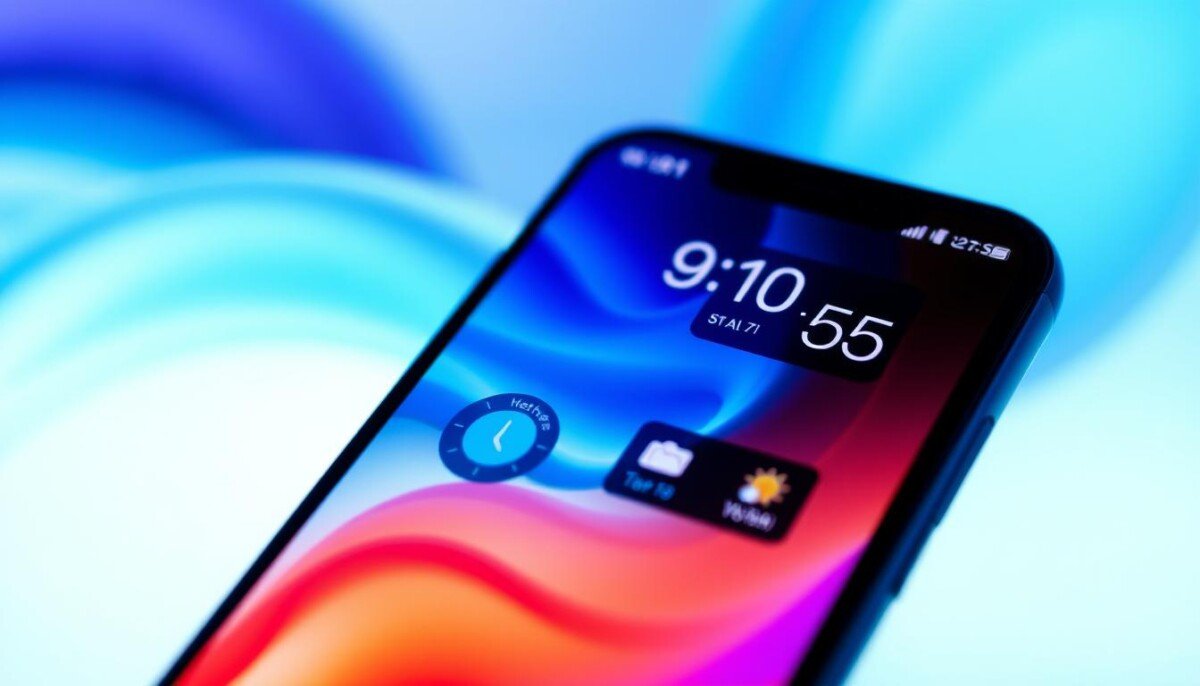
Many people enjoy a moving wallpaper because it makes a device feel personal. But animated backgrounds can ask more from your phone’s processor and display. That extra work may shorten your battery life and cause noticeable warmth during regular use.
If you want to decide what to keep, start by checking app and battery use. Close heavy apps and watch how the phone reacts. For more on overheating causes and fixes, see this guide on smartphone overheating.
Key Takeaways
- Animated backgrounds may increase power draw and heat on your phone.
- Check app and battery usage to spot the main cause of poor performance.
- Reducing background activity and dimming the display can help.
- Some apps or widgets use more CPU cycles and raise device temperature.
- Use data from your phone to decide if the visual trade-off is worth it.
Understanding the Mechanics of Live Wallpapers Battery Drain
Animated home screens can add flair, but they also add constant work for your phone.
Displays and processors play two different roles in how a wallpaper affects your energy use. OLED screens light each pixel separately, so true black pixels use almost no power.
Processor load matters. When a live wallpaper shows moving objects, the CPU and GPU must render frames continuously. That raises system usage and can make the phone feel slower over time.
The Role of OLED Displays
Because OLED pixels emit light individually, a darker wallpaper reduces display power. Chris Hoffman of How-To Geek highlights this as a key reason to prefer dark themes on OLED panels.
Processor and CPU Usage
MG Siegler observed lag on the Nexus 7 when a dynamic background was active. Poorly optimized wallpapers force the processor to work more, which increases heat and shortens battery life.
| Component | Impact | What to watch |
|---|---|---|
| OLED display | Lower power with dark pixels | Use dark wallpaper or theme |
| CPU/GPU | Higher usage with motion | Look for smooth, low-frame designs |
| App quality | Varies widely; some are inefficient | Read reviews and user reports |
How to Identify Resource-Heavy Backgrounds
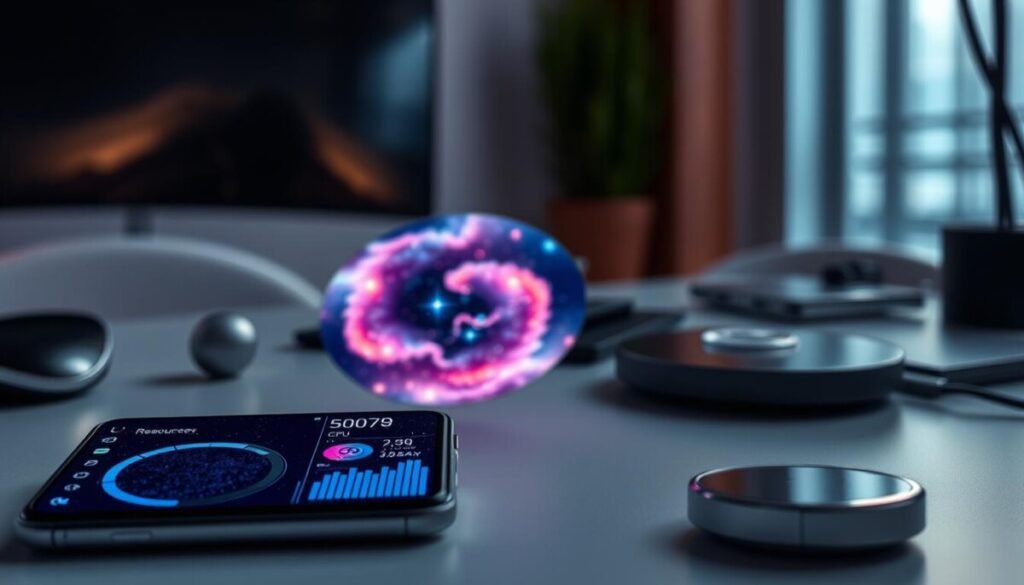
Spot the problem fast. A quick check in system tools shows which animated wallpaper or app makes your phone work harder over time.
Start with a diagnostics app like System Tuner. It lists where your phone spends CPU and power so you can find the exact background processes at fault.
- Open your phone’s battery settings to see which apps or wallpaper appear near the top.
- If the display uses a lot of power, the animated background is a likely reason.
- Use System Tuner to watch which objects or services show heavy CPU use in real time.
- When you spot a resource-heavy app or wallpaper, remove it and test; many users see battery life return quickly.
- When using live wallpapers, check settings now and then to avoid a single background causing a lot of wear.
Do this regularly and you keep your phone cool and efficient without losing your preferred style.
Optimizing Your Display and Processor Settings
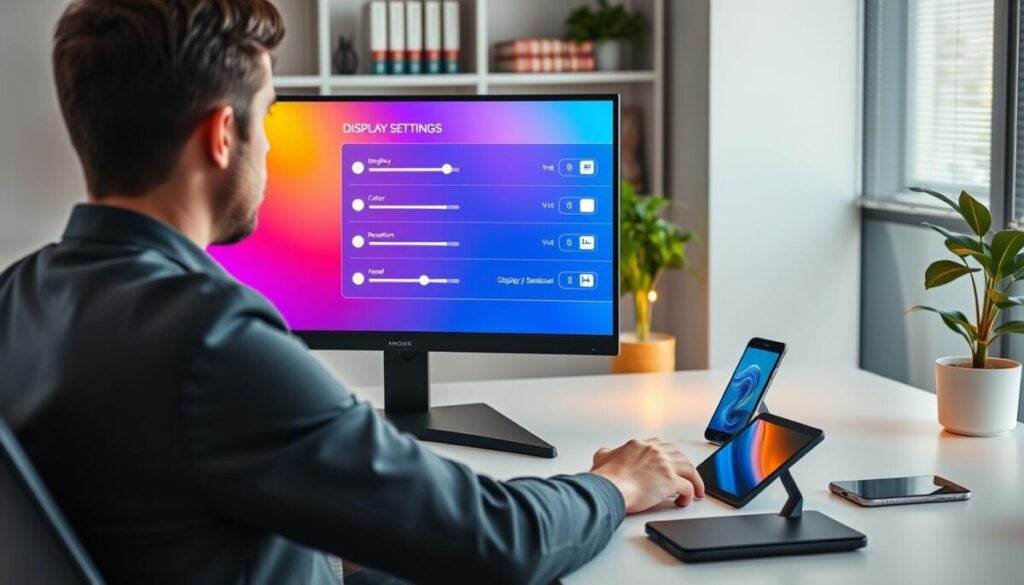
Tuning display and processor settings cuts needless power use and keeps your phone cooler.
Start with the screen timeout. Set your phone to turn off the screen quickly after you stop using it. That single change saves a lot of power over the day.
Choose a static wallpaper when possible. Static images stop constant processor work and reduce overall power usage. If you prefer motion, pick a well‑coded live wallpaper that stresses the system less.
Best Practices for Reducing Power Consumption
- Lower display brightness and enable adaptive brightness to match ambient light.
- Shorten screen timeout to the lowest practical setting for your routine.
- Close background apps that use CPU cycles so the phone focuses on essential tasks.
- Limit how long animations run and avoid having many active widgets at once.
- Keep your phone software updated to benefit from power optimizations and fixes.
Do these regularly. Small, consistent habits extend battery life and keep your phone working smoothly all day.
Conclusion
Small visual choices on your phone add up to real differences in daily power use.
Animated backgrounds can look great, but they may use more processing and shorten run time if you don’t manage them. Check your settings and watch which apps report high use.
If performance slips, switch to a static wallpaper and test how your device responds. Engaging in system performance monitoring will help keep the phone cooler and more reliable during work hours.
Need help? See our live wallpaper battery test for details, or call support at 1800 102 2777 (9:00–21:00, MON–SUN).