Best Phone Temperature Monitor Apps

Published:

Updated:

phone temperature monitor apps

Disclaimer

As an affiliate, we may earn a commission from qualifying purchases. We get commissions for purchases made through links on this website from Amazon and other third parties.

How hot is too hot for your mobile gear—and how do you know before it hurts performance?

You need a fast way to spot rising heat and act. A reliable phone temperature monitor apps tool gives real-time data so you can protect your battery and CPU. It helps you avoid thermal throttling that slows tasks and drains power.

Choosing the right app lets you see when your device crosses safe limits. Professionals use these tools to keep hardware stable during heavy loads. Learn practical steps and when to cool down gear, and check simple fixes and guidance from trusted sources like smartphone overheating guides.

Key Takeaways

  • Track heat in real time to protect performance and lifespan.
  • Use a dedicated tool to spot battery and CPU stress early.
  • Prevent thermal throttling with quick, informed actions.
  • Pick an app that reports clear thresholds and alerts.
  • Regular checks extend device life and save replacement costs.

Why You Need Phone Temperature Monitor Apps

Keeping heat in check stops small issues from turning into costly hardware failures. Overheating is common and can damage internal parts if you ignore it.

When your phone temperature spikes, the system often slows down to protect chips. That drop in speed hurts work and drains the battery faster.

Using a simple app to track battery heat shows which background tasks cause stress. With that data, you can close heavy processes and improve efficiency.

Track device health daily so you can cool things down before performance slips. Many users avoid problems during gaming or long meetings by watching real-time readings.

  • Spot spikes early to prevent permanent wear.
  • Identify hot apps and stop them quickly.
  • Keep your device responsive across the workday.

Essential Features to Look for in a Temperature Monitor
A smartphone displaying a temperature monitoring app interface, prominently featured in the foreground. The phone is sleek and modern, with a crisp touchscreen that showcases vibrant graphs and numerical readouts of temperature data. The middle ground includes a cozy home setting, with a wooden table and soft fabric textures that convey a sense of comfort. In the background, there are blurred items like a thermometer and a small indoor plant, hinting at a domestic atmosphere. The lighting is warm and inviting, with soft natural light filtering in from a nearby window, creating a calm mood. The camera angle is slightly above the phone, focused on the app interface, emphasizing its essential features, while ensuring no text or logos are visible.

Good thermal tools give live readings so you can spot stress before it degrades performance. Pick software that blends clear data with low resource use. A smart design helps you act fast when usage spikes and guards battery life.

Real-time Thermal Tracking

Live tracking must show battery temperature and cpu temperature together. That view lets you link heavy processes to rising heat and stop issues early.

Real-time readouts should update every few seconds without slowing the device. Status icons or a small overlay help you keep an eye on performance while you work.

Customizable Widgets and Alerts

Choose an interface with a clean widget for the home screen and quick status at a glance. Custom alerts let you set thresholds so you get notified before overheating harms hardware.

  • Low-impact design to avoid extra strain on battery and cpu.
  • Clear alerts that tell you what to close or chill.
  • Flexible widgets for on-screen tracking and fast checks.

Top Rated Phone Temperature Monitor Apps for Android
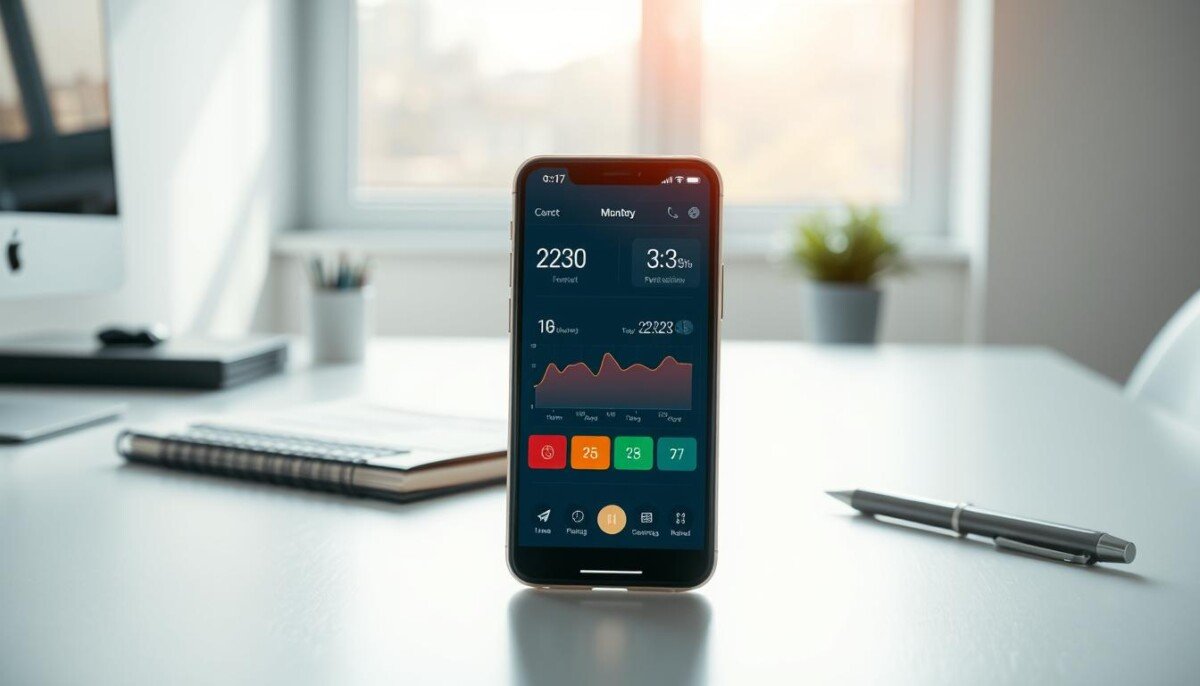
A sleek smartphone displaying an advanced temperature monitor app, with a graph indicating CPU and battery temperature trends. The foreground highlights the phone in a well-lit office setting, emphasizing the screen's vibrant colors and detailed interface. In the middle ground, a blurred workspace is visible, featuring a minimalist desk with a cup of coffee and a potted plant, suggesting a tech-savvy environment. The background is softly illuminated, with natural light filtering through a window, creating a warm and focused atmosphere. The composition captures a professional feel, evoking efficiency and modernity. The angle is slightly elevated, looking down at the phone, to enhance the visibility of the app interface, showcasing both functionality and design.

A clear, reliable tool cuts guesswork and shows when to act to protect battery life.

As of Feb 26, 2026 many Android users rely on top-rated tools that report live battery and cpu data. Some entries boast over 9.61K reviews and steady update cycles that improve the interface design.

Comparing Premium Versus Free Versions

Free tiers often cover basic monitoring and let you see battery temperature and cpu temperature in real time. That is enough for casual use and occasional heavy usage.

Premium plans usually remove ads, add a widget, and unlock alerts. In review sections, 108 people found review feedback helpful when weighing value. Many note a common 3.9 rating: free is useful, premium cleans the screen and adds features.

  • Readings may vary by device due to hardware drivers.
  • Some premium versions still show ads — check reviews before you buy.
  • For direct install, try this trusted phone temperature monitor.

Understanding Data Privacy and System Performance
A modern smartphone displaying temperature data on its screen, placed on a sleek wooden desk. In the foreground, the phone is focused, with a digital thermometer icon and privacy padlock symbol on the display, representing data privacy. The middle layer shows a softly lit environment with a blurred laptop and some office supplies, hinting at a technology workspace. In the background, a window allows natural light to filter in, creating a warm atmosphere. The scene uses a shallow depth of field to emphasize the phone while keeping the surroundings gently out of focus. This image conveys a sense of professionalism and trust, highlighting the intersection of system performance monitoring and data privacy concerns.

Before you install any monitoring tool, check how the developer handles user data and sharing. This helps protect your privacy and keeps system health info under your control.

How Developers Handle User Data

Developers must explain what information they collect and why. Read the privacy policy to see if they collect device IDs or share data with advertisers.

Impact on Battery and CPU Usage

High-performance tools are built to use minimal cpu and battery so your device stays fast. Avoid apps that run heavy background tasks or show many ads.

Interpreting Device Sensor Accuracy

Sensor readings may vary by model and driver. Use tools that let you calibrate readings so battery temperature and cpu temperature line up with your device hardware.

Quick checklist

  • Confirm developers disclose data use and whether they share data.
  • Pick software with low cpu and battery impact.
  • Choose tools that allow calibration for better accuracy.
Area What to check Why it matters Suggested action
Privacy Data collected, sharing, device IDs Protects personal and business information Read policy; avoid tools that share data
Performance CPU use, battery drain, ads Preserves speed and battery life Pick lightweight versions or premium plans
Accuracy Sensor variance, calibration Ensures reliable status readings Calibrate and cross-check with system logs

Conclusion

A compact, accurate tracker gives clear alerts so you can act fast.

Selecting the right phone temperature monitor protects your device and keeps performance steady during heavy tasks. Watch battery and cpu readings to stop overheating and extend hardware life.

Whether you pick a simple free app or a premium version with a custom widget, choose tools that offer real-time data and low resource use. Prioritize developers who state privacy practices clearly and keep updates focused on stability.

Ready to try a trusted option? See a well-known iOS tool with widget support and a clear privacy note here: Temperature Thermometer App.

Stay proactiveand you’ll keep your device cool, efficient, and reliable for work and play.

FAQ

What do these tools show about my device?

They display real-time readings from your device’s sensors, including battery and CPU heat levels, and often provide trends over time so you can see when performance or charging spikes cause higher readings.

How accurate are readings from these utilities?

Accuracy varies by device model and sensor quality; readings are useful for spotting changes and trends but may differ from external probes. Use them as a guide, not a lab-grade measurement.

Will running a background monitoring utility drain my battery or slow my device?

Lightweight tools use minimal resources, but constant sampling, fancy widgets, or frequent alerts can raise CPU and battery use. Choose apps that balance update intervals and feature set.

Are widgets and alerts useful for busy professionals?

Yes. A small home‑screen widget or smart alert gives an at‑a‑glance status without opening an app, helping you spot overheating during heavy work, long calls, or charging sessions.

What privacy risks should I watch for?

Check what data the developer collects, whether the app shares telemetry, and what permissions it requests. Prefer apps with clear privacy policies and local-only data storage when possible.

Do free versions hide essential features behind paywalls?

Many free editions cover basic tracking and alerts while premium tiers add history, advanced charts, and ad removal. Compare features before upgrading to ensure business value.

Can these tools prevent overheating or device damage?

They alert you to rising heat and suggest actions like closing apps, reducing screen brightness, or stopping charging. They can’t fix hardware faults but help you avoid risky conditions.

How do I interpret spikes in readings during heavy use?

Short spikes during gaming, video calls, or multi‑tasking are normal. Sustained high readings indicate a throttling or cooling issue—restart the device, uninstall misbehaving apps, or limit intensive tasks.

Should my company allow employees to install monitoring utilities?

Allowing vetted tools can help IT spot thermal issues remotely and protect device health. Choose apps with enterprise controls, transparent data handling, and minimal permission needs.

How often should the tool sample data for useful insight?

For most professionals, 30–60 second intervals balance insight and battery use. Shorter intervals provide finer detail but increase resource use; adjust based on your workflow.

Can these utilities run safely with other system tools like battery savers?

Yes, but test combinations. Some system optimizers may suspend background activity or change sampling cadence; pick apps that survive aggressive battery management or whitelist them as needed.

What interface elements help quick decision-making?

Clear color codes, concise alerts, simple graphs, and a compact widget help you act fast. Avoid cluttered designs that hide critical status in deep menus.

How do developers ensure sensor data is reliable across models?

Good developers calibrate for common chipsets, document limits, and surface expected variance. Look for apps that note sensor model support and show confidence ranges in readings.

Where can I find trustworthy reviews and comparisons?

Read reviews on Google Play or the App Store, check tech sites like Android Authority or The Verge, and scan user feedback for reports on accuracy, ads, and battery impact.

Do these tools collect personal information?

Some do for analytics or ads. Inspect permissions and the privacy policy. Prefer apps that limit collection to anonymized telemetry or offer an offline mode to keep data on‑device.

About the author

Latest Posts